Washington's Plug-In Solar Law: The 2026 Fight and 2027 Comeback
In spring 2026, Washington's HB 2296 came closer to legalizing plug-in solar than almost any state before it. It protected renters and condo owners from landlord and HOA bans. It proposed a 1,200-watt cap. It even included a meter collar adapter mandate that Colorado later became the first state to enact. Then the Senate stripped it out.

Is Plug-In Solar Legal in Washington State?
No. As of June 2026, Washington has no plug-in solar law. Utilities require interconnection agreements that they routinely deny for residential plug-in systems. There is no legal grid-connected pathway for Washington renters yet. A dedicated 2027 legalization bill is the most likely path forward.
This is the story of how Washington's HB 2296 arrived at the finish line only to have its most important provision removed — and why 2027 looks different.
HB 2296: The Bill That Almost Legalized Plug-In Solar in Washington
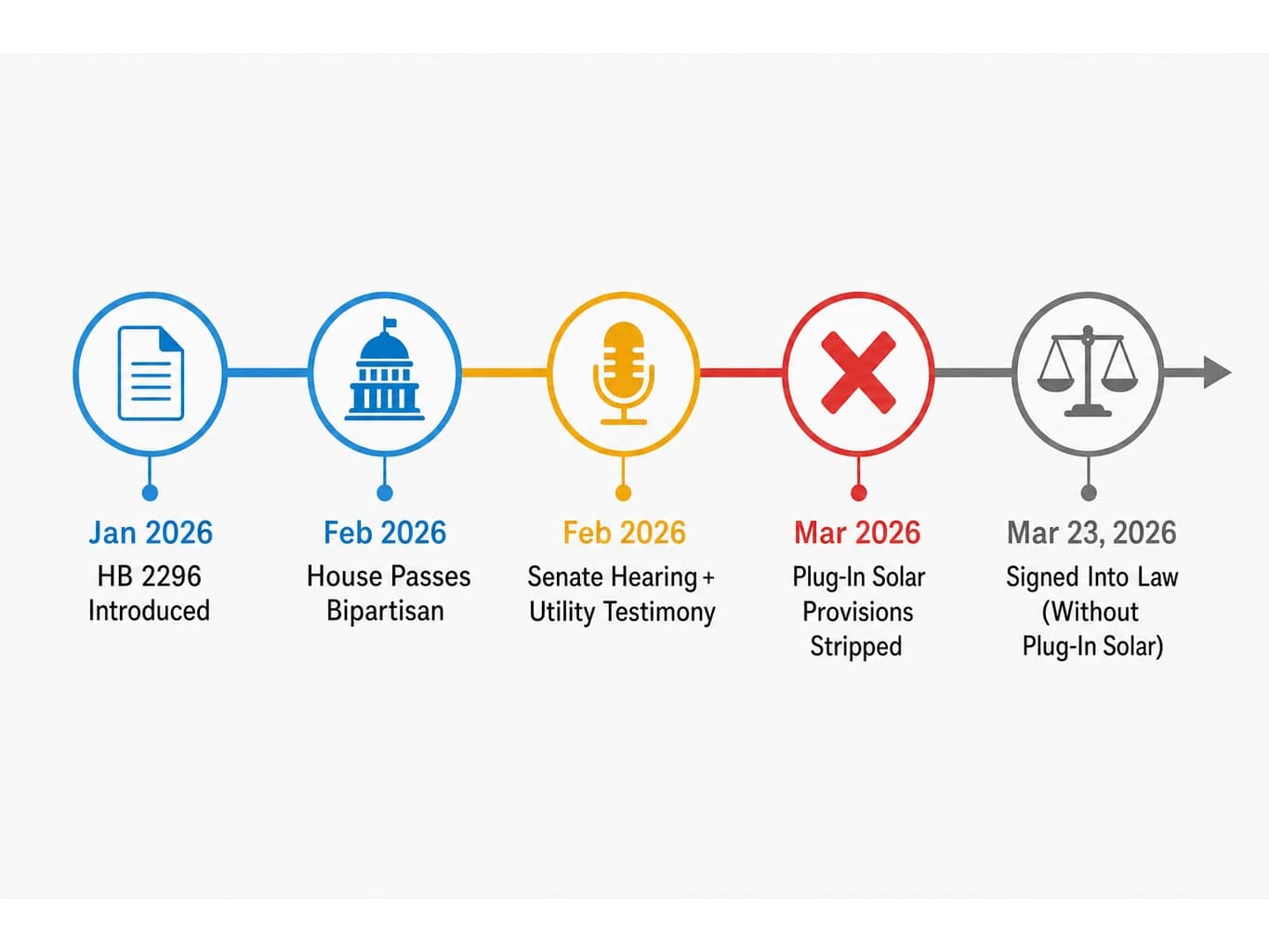
Washington House Bill 2296 was introduced by Rep. Davina Duerr in January 2026 as “Expanding the Use of Distributed Energy Resources.” On the surface, dry infrastructure language. In practice, the bill was designed to open a specific door: plug-in solar in Washington homes.
Here is what HB 2296 originally proposed:
Legalize plug-in solar up to 1,200 watts per household
Matching Utah's limit while staying well below the risk threshold utilities cited in testimony.
Prohibit HOAs and landlords from banning the devices entirely
Explicit renter protection. Utah's 2025 law said nothing about HOA or landlord authority; Washington's bill went further.
Exempt certified systems from utility pre-approval and interconnection agreements
No application, no fee, no waiting. Install a certified system and plug it in.
Require utilities to support meter collar adapters
A low-cost installation method ($200–$400 vs. $5,000+ for electrician rewiring) that Colorado later mandated.
The bill was inspired by Utah's HB 340, passed in 2025, which became the first US state law specifically permitting plug-in solar. Washington's bill went further. Utah's law said nothing about HOAs or landlord authority. Washington's explicitly gave renters and condo owners legal protection to install these systems.
By mid-March, HB 2296 passed the House and headed to the Senate Environment, Energy & Technology Committee with bipartisan support. Then utilities testified.
Why Did Washington Utilities Block Plug-In Solar?
Puget Sound Energy, Avista, and other Washington utilities raised several concerns in committee testimony. The one that gained the most traction: breaker masking.
Traditional circuit breakers are one-directional. They detect excessive power flowing from your panel to your circuits, but they cannot detect current flowing backwards from a plug-in inverter into the wiring. If a panel generates 8 amps into a 15-amp circuit while a hair dryer runs on the same circuit, the breaker never registers the combined load. A utility worker touching the wire assumes it is de-energized. It is not. For a technical breakdown of how this risk works in apartment settings, the plug-in solar wiring safety guide covers the failure mode and how certified systems handle it.

Utilities also flagged worker safety. If they do not know a plug-in system is installed, line workers could be injured during outage repairs. A system on a balcony is not in their records. What should be a dead wire, energized by your panels, becomes a hazard.
A third concern: the wattage cap's loophole potential. While HB 2296 proposed a 1,200-watt per-customer limit, nothing explicitly prevented residents from installing multiple systems in a single building.
These concerns had real technical roots. But Washington's senators heard about breaker masking in February 2026. They also heard about UL 3700, published January 8, 2026, as the standard specifically designed to solve that problem. Then they voted to strip the plug-in solar provisions anyway.
How Did Other States Succeed Where Washington Stalled?
While Washington's bill was being stripped, other states moved their own plug-in solar policies forward. Our tracker currently lists 5 enacted frameworks and 4 passed bills awaiting their next legal step. Here is where the first wave stands alongside Washington's proposed bill:
| State | Status | Wattage cap | Renter protection | Effective |
|---|---|---|---|---|
| Utah (HB 340) | Enacted 2025 | 1,200W | No | May 2025 |
| Virginia (SB 250) | Enacted 2026 | 1,200W | Yes | Jan 2027 |
| Colorado (HB 26-1007) | Enacted 2026 | 1,920W | Yes | May 2026 |
| Maryland | Enacted 2026 | 1,200W | TBD | Spring 2026 |
| Washington (HB 2296) | Stripped 2026 | 1,200W proposed | Yes proposed | 2027 target |
How Each State Got Across the Finish Line
Utah (HB 340, 2025) — The model for every bill that followed. Rep. Raymond Ward framed it as personal energy freedom and it passed 72-0 in the House and 27-0 in the Senate without a single dissenting vote. No HOA or renter protection, but it opened the door. For the full origin story, see our Utah plug-in solar law guide.
Virginia (SB 250, 2026) — Added what Utah lacked: explicit prohibitions on landlord and HOA bans. At 1,200 watts, it matches Utah's cap. Took effect January 2027. Virginia advocates spent eight months before the session educating legislators on balcony solar in apartment buildings. Full details in our Virginia plug-in solar law guide.
Colorado (HB 26-1007, 2026) — Set the highest wattage cap in the nation at 1,920 watts, a 60% increase over Utah and Virginia. Explicitly prohibits HOA bans. Mandates utility support for meter collar adapters, the low-cost installation method Washington's bill had proposed first. Full breakdown in our Colorado plug-in solar law guide.
Maryland (2026) — Signed spring 2026 with a 1,200-watt cap. Maryland utilities raised fewer objections than Washington's Puget Sound Energy and Avista — partly because advocacy groups brought the Utah and Virginia bills as templates and pre-answered the technical objections before testimony. See our Maryland plug-in solar law guide for the full breakdown.
New York (SUNNY Act, 2026) — Passed the Legislature in late May 2026 by a unanimous 62-0 Senate vote and now awaits Governor Hochul's signature. If signed, it would be the plug-in solar movement's biggest population win yet. Read more in our New York plug-in solar law guide.
Maine (LD 1730, 2026) — Also passed in the same spring wave, alongside Connecticut and New Hampshire, bringing the total to eight states in 18 months. See our Maine plug-in solar law guide for details.
The common thread: framing energy freedom over environmental advocacy, and pre-loading testimony with UL 3700 safety data so utilities had less room to maneuver.
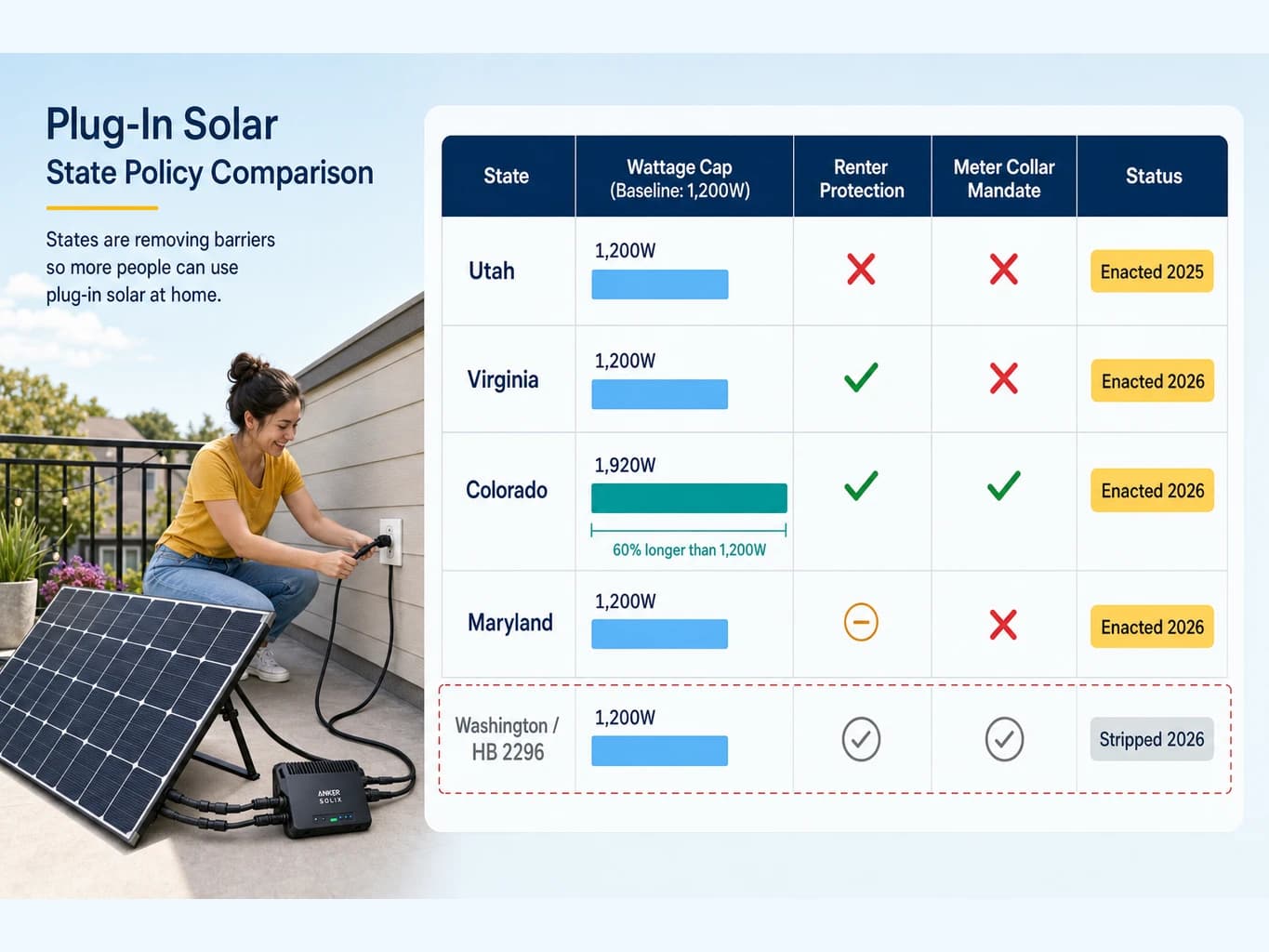
What did Washington's HB 2296 have that others lacked? A meter collar adapter mandate. Unlike any other state bill at the time, Washington's would have required utilities to support meter collar adapters — the installation method Colorado later mandated. If HB 2296 had passed in full, Washington would have been the first state to require this cost-saving technology. Colorado got there instead.
The Stripping: How HB 2296 Lost Its Plug-In Solar Provisions
In late February 2026, the Senate Environment, Energy & Technology Committee amended HB 2296. The plug-in solar provisions were removed entirely.
HB 2296 was signed into law on March 23, 2026 (Chapter 136, Laws of 2026). It addressed distributed energy resources broadly — EV charging, battery storage, meter adapter equipment — but the specific language allowing plug-in solar systems without utility approval was gone.
The political math was straightforward: utilities have lobbyists in Olympia. Plug-in solar advocates were still organizing. Plug-in solar is not yet a household term in Washington the way it is in Germany or Utah.
The bill did not die. It just became narrower. And the provision that mattered most to Washington renters — permission to plug in a solar panel — did not make it.
Current legal status — June 2026
Washington utilities require interconnection agreements for any grid-connected generation, including plug-in systems. These agreements are routinely denied or delayed for residential plug-in installations. Installing an uncertified plug-in solar system and connecting it to the grid is not legal in Washington. For the full state-by-state breakdown, see the plug-in solar permit guide.
How UL 3700 Answered Utilities' Safety Argument
The utilities' safety concerns had legitimate technical roots. The question was how to prevent a breaker-masking incident at scale. UL Solutions answered that question on January 8, 2026, when it published UL 3700 — the first safety standard built specifically for plug-in solar. For the full technical breakdown of what this standard requires and which products are pursuing certification, see the UL 3700 guide.
Dead-prong protection
The plug cannot carry current when disconnected from the outlet.
Anti-islanding detection
The system shuts down within 1–2 seconds if the grid loses power, directly answering the breaker-masking concern.
Overcurrent monitoring
The inverter stops automatically if it detects excessive current — a second layer of protection.
GFCI compatibility
Works with standard ground-fault circuit interrupters found in most modern homes.
Weatherproofing
Meets outdoor environmental standards for balcony and exterior installations.
The anti-islanding requirement directly addresses breaker masking. The inverter detects power backfeeding and stops it automatically, faster than any breaker could. The overcurrent monitoring adds a second layer.
The timing matters. UL 3700 launched January 8, 2026. HB 2296's Senate amendments happened in late February 2026. Some utility testimony treated the safety concern as though UL 3700 did not exist, or existed but was not yet proven.
Germany had more than one million plug-in solar systems operating safely before UL 3700 existed, under equivalent European standards. The Federal Network Agency has recorded no documented fatalities tied to certified plug-in solar systems since the category was legalized in Germany in 2019. By summer 2026, the first UL 3700-certified products were expected to launch. The safety argument that ended Washington's bill was becoming obsolete. Learn more in our plug-in solar safety guide.
Washington's Renter Problem: Who Gets Hurt Now
Washington has 1.3 million renter households. Seattle and Tacoma, cities with excellent solar potential, are among the most expensive rental markets in the country. Renters cannot install rooftop solar (they do not own the roof), and they cannot sign long-term energy contracts. A balcony solar panel they own and can take with them when they move is an entirely different deal.
5 states now offer that option through enacted statewide frameworks. Washington does not.
Some renters are already buying $200–$300 uncertified import microinverters out of frustration: devices with no anti-islanding protection, no UL listing, no documentation that they will not backfeed into the wiring. That is the exact scenario utilities claimed to be worried about when they testified against HB 2296. Virginia's SB 250 passed in March 2026. Washington utilities opposed a law that would have brought certified systems into a market that is currently going gray.
2027: The Comeback Bill and What Advocates Expect
Washington plug-in solar advocates are not giving up. A new dedicated plug-in solar bill is expected for Washington's 2027 legislative session. Several things will be different this time:
UL 3700 products will exist
At least a few certified systems will be shipping by then. Utilities can no longer claim the safety standard is unproven or that no products carry it.
Eight states' operating data is evidence
Virginia's SB 250 takes effect January 2027. Colorado's law has been operating for months. If those systems are running safely, the safety argument against Washington's bill loses its foundation.
The legislative context looks different
In 2026, plug-in solar felt new and risky to many legislators. By 2027, it is the fastest-growing clean energy policy in the US, with nineteen more states considering bills. The conversation starts from a different place.
That said, the 2027 bill will still face utility opposition. Utilities also opposed rooftop solar and net metering — both are now standard in most states. The question is not whether utilities will push back. It is whether the legislature will listen, knowing what eight other states did first.
Get notified when this bill passes
We track Washington's plug-in solar bill. We'll alert you the moment it clears the legislature.
What Can Washington Residents Do Right Now?
Plug-in solar is not legal in Washington for grid-connected use as of June 2026. Here are three legal paths available today:
Install a battery-only off-grid system
A system with a battery that stores and discharges off-grid sidesteps grid connection rules entirely. You generate and use your own power without touching the utility grid. Higher upfront cost, but fully legal today.
Try community solar if it is available in your area
Community solar is legal now. You do not own the system, but you receive bill credits. See how it compares in our plug-in vs. community solar guide.
Advocate for 2027 legalization
Email your state representative or senator. Bills are usually prefiled in November or December 2026 — that is when momentum builds. Third Act and Solar Washington maintain contact lists and bill tracking.
Getting ready for legalization
Once a Washington plug-in solar law passes, the market moves fast. In other newly-legal states, the first certified installers and product distributors have appeared within six to twelve months. APsystems, EcoFlow, and Hoymiles already make systems that operate legally in Colorado, Virginia, and Utah. You can browse current plug-in solar kits now to understand which systems will be available and what they cost. If you are navigating HOA or landlord questions in the meantime, the landlord permission guide covers how to frame the conversation.
Want to see what savings look like for your address once legalization passes? Try our free savings calculator →
What You Can Buy in Washington Right Now
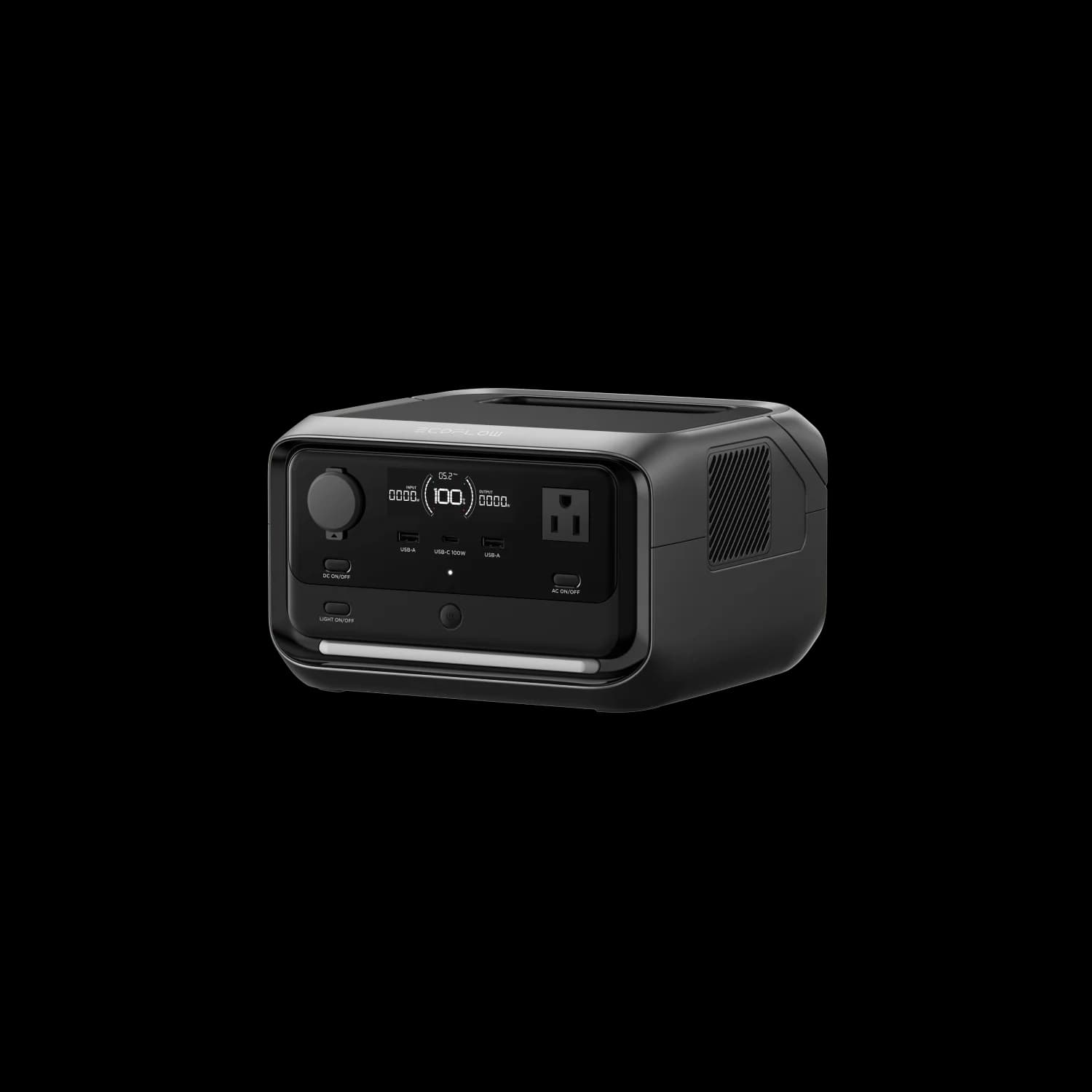
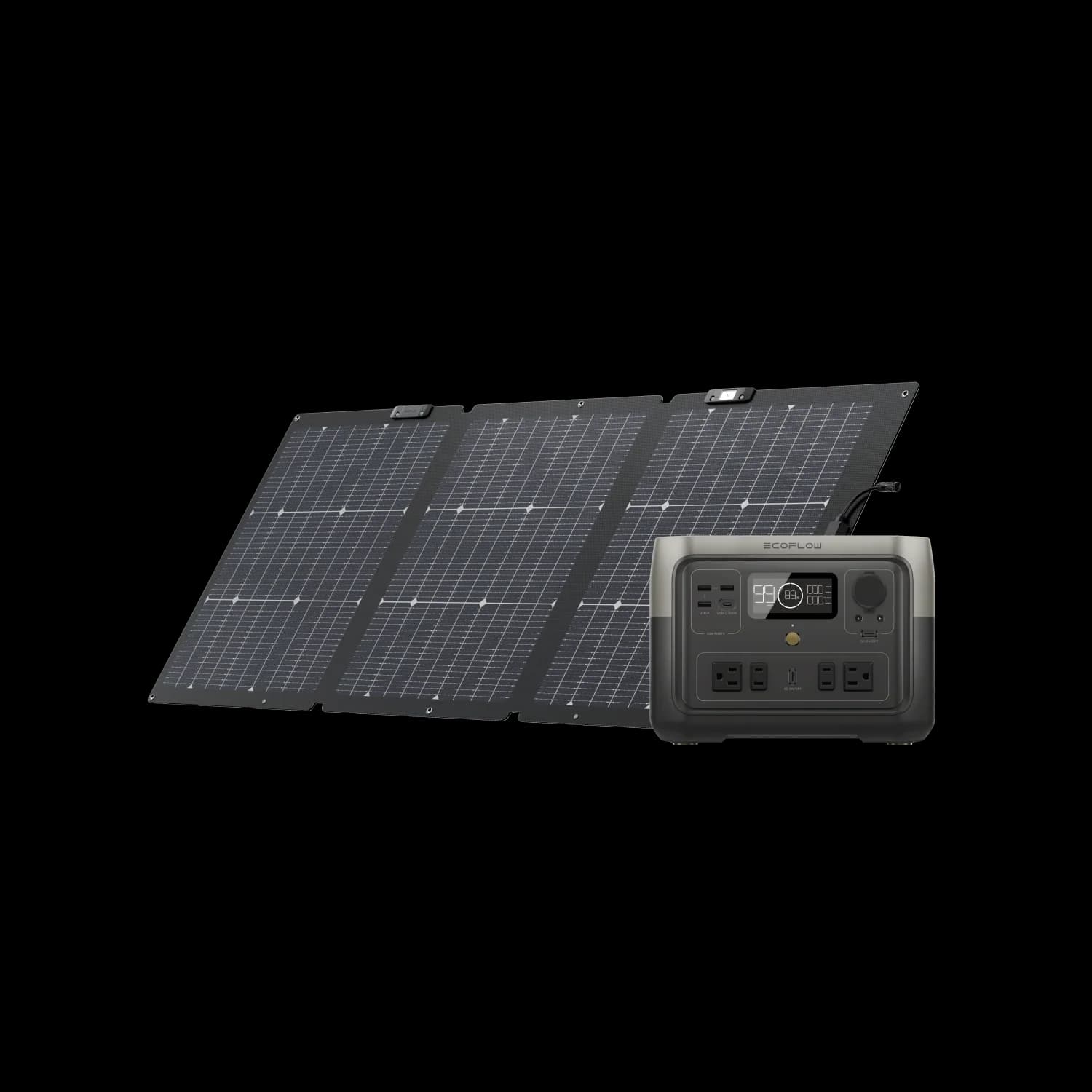
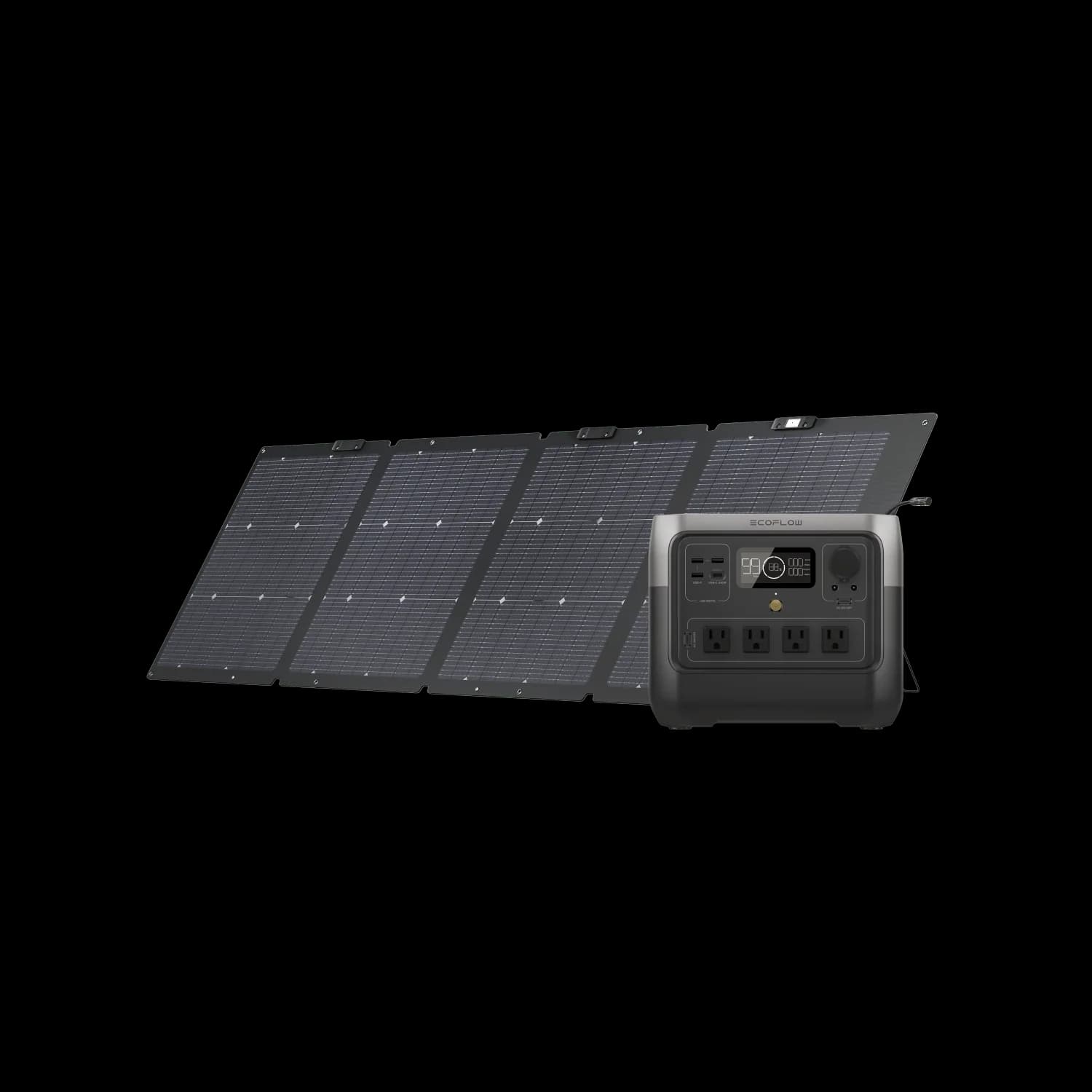
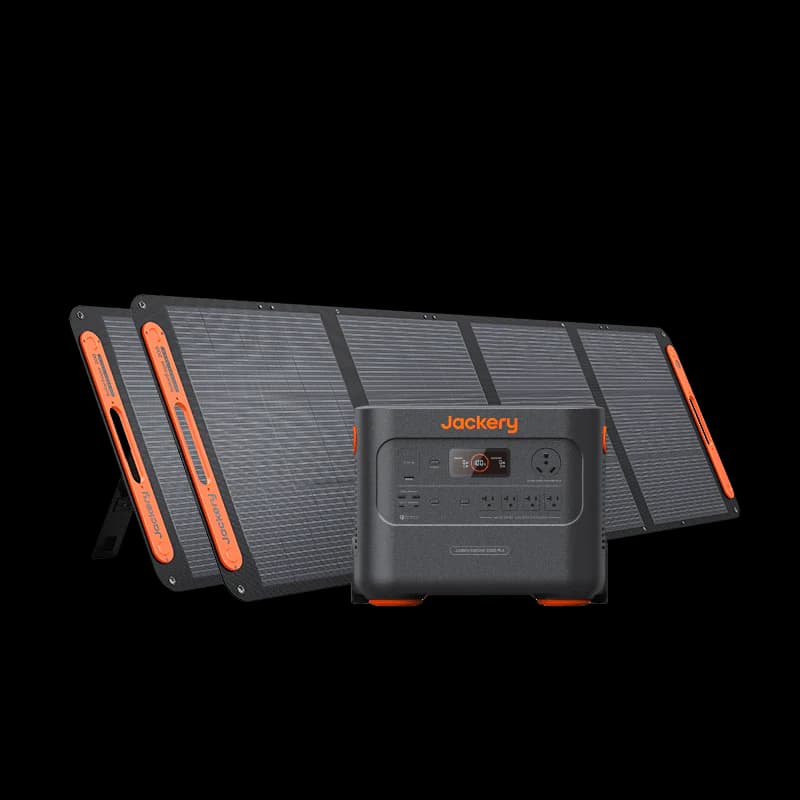
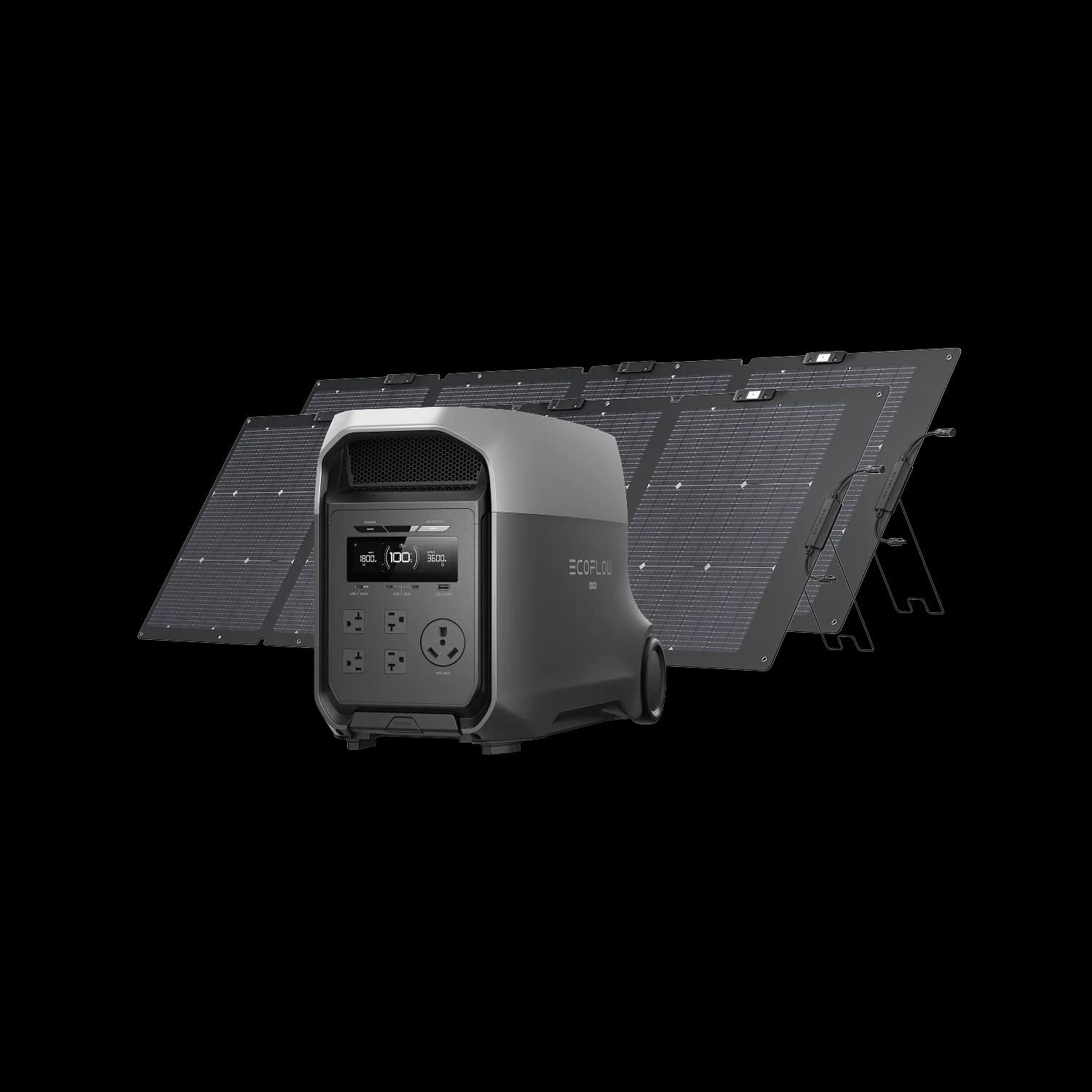
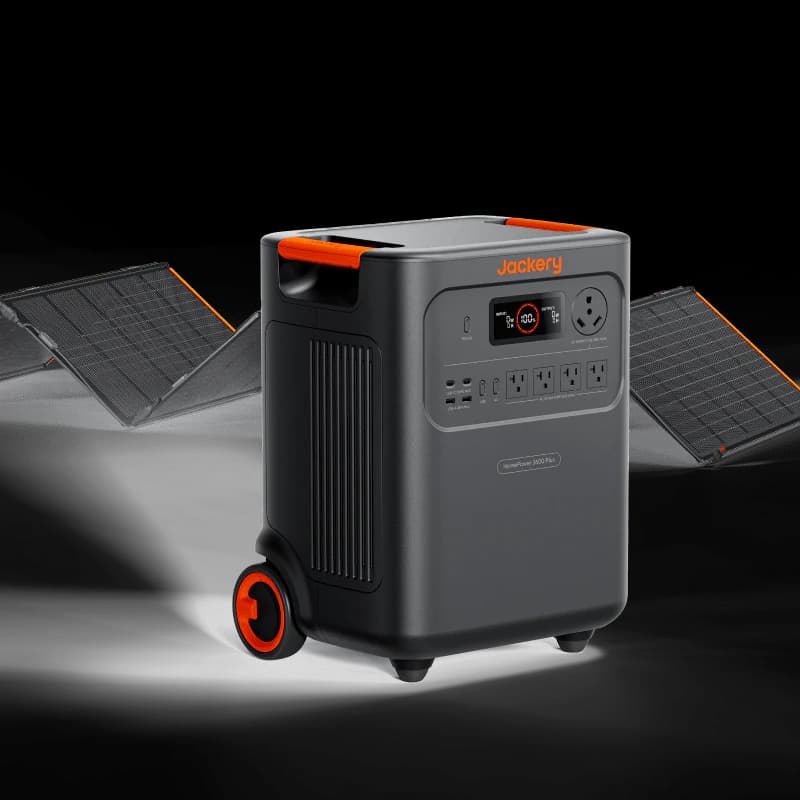
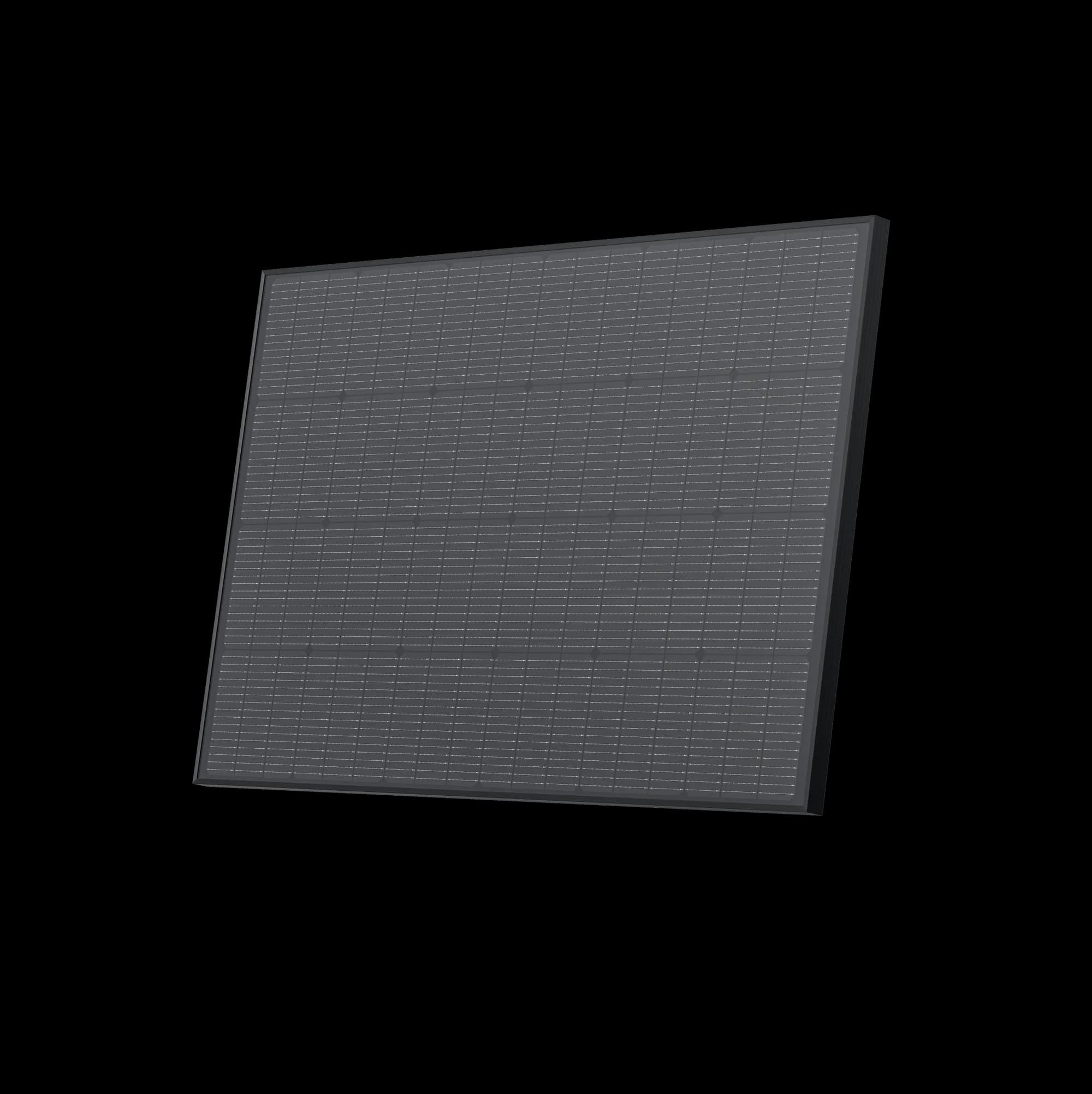
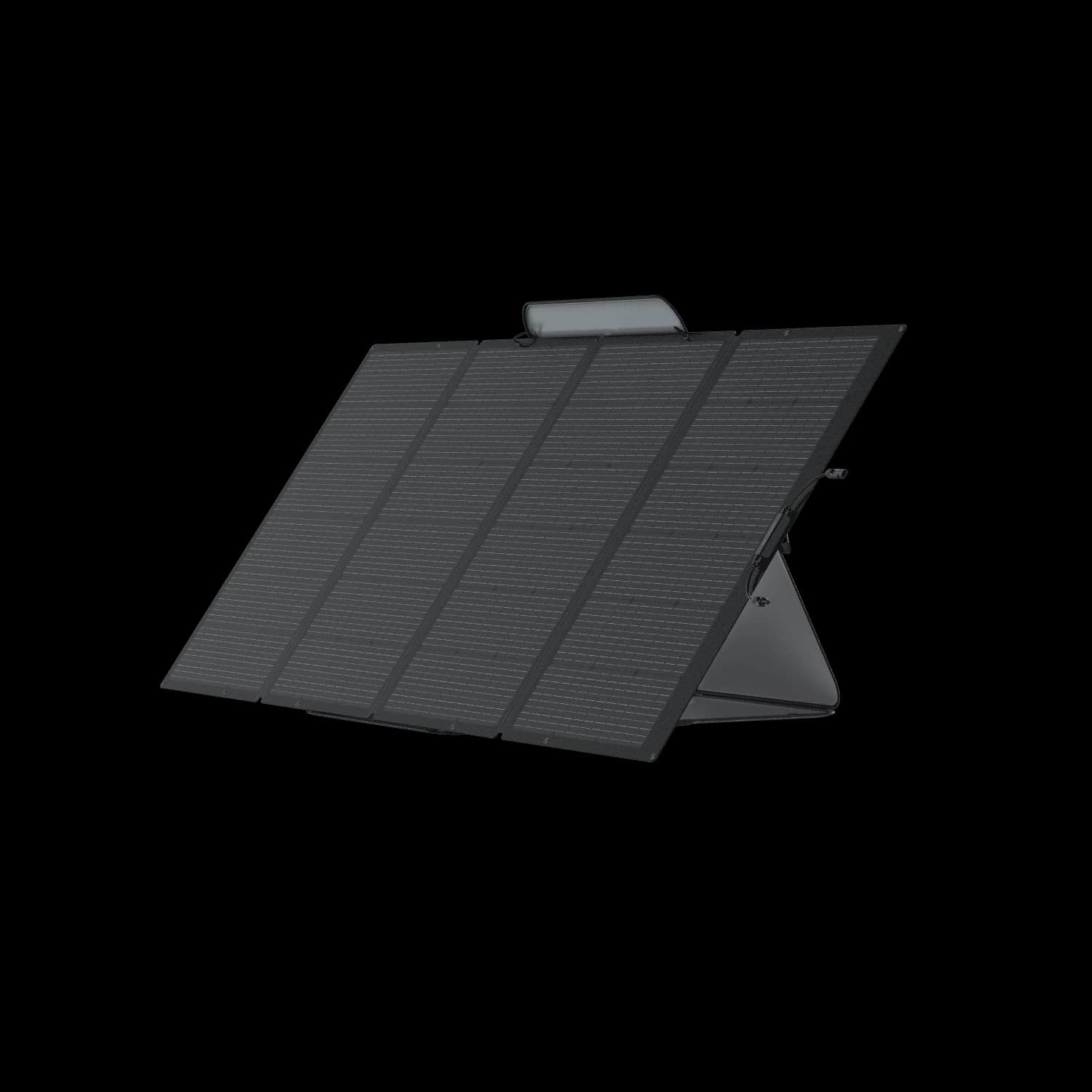
Washington has no statewide pathway for a plug-in system connected to home wiring. Until a successor to HB 2296 passes, choose portable, battery-based, or zero-export equipment that does not connect to a wall outlet, and follow the manufacturer's instructions for off-grid use.
We may earn a commission when you purchase through product links below. It doesn't affect the price you pay. Read our full disclosure →
Washington's average residential rate is 11.67¢ per kWh. See a future Washington savings estimate →
Frequently Asked Questions
Common questions about Washington's HB 2296 and what to expect from the 2027 legislative push.
See What a Plug-In Solar System Could Save in Washington
Enter your zip code and monthly electricity bill. Our calculator uses real solar data for your location to estimate your savings when a Washington plug-in solar law passes.
Last updated: August 1, 2026. This page is reviewed quarterly for accuracy as Washington's legislation status changes.