Virginia's Plug-In Solar Law: What SB 250 Means for Residents
On May 13, 2026, Governor Abigail Spanberger signed HB 395 and SB 250 (after final passage on April 22), establishing Virginia's plug-in solar law and making the state one of 5 in our tracker with an enacted statewide framework. The law takes effect July 1, 2026, and it covers renters and HOA members as well as homeowners.
Virginia joins Utah, Maine, Colorado, and Maryland as part of a growing wave of states legalizing plug-in solar → Here's exactly what changed and what you can do about it.

What Does Virginia's New Plug-In Solar Law Actually Do?
Virginia's plug-in solar law (SB 250 / HB 395) creates a legal category for small portable solar generation devices up to 1,200 watts. Utilities like Dominion Energy and APCo cannot require approval, charge fees, or demand an interconnection agreement before you plug in. The law also bans HOAs and most landlords from prohibiting qualifying systems outright.
Before this law, connecting anything to the grid through a standard outlet technically required Dominion Energy or Appalachian Power Company to sign off first. That approval process was designed for large rooftop installations and created an effective dead end for small plug-in setups. The new law eliminates that requirement entirely for qualifying devices.
Virginia also goes one step further than most states: it classifies these systems as "goods" under the Virginia Consumer Protection Act. Sellers can't misrepresent specs or use deceptive advertising on these products in Virginia — real protection in a market still crowded with uncertified hardware.
New to plug-in solar entirely? Our full explainer covers how these systems work →
When Does Virginia's Plug-In Solar Law Take Effect?
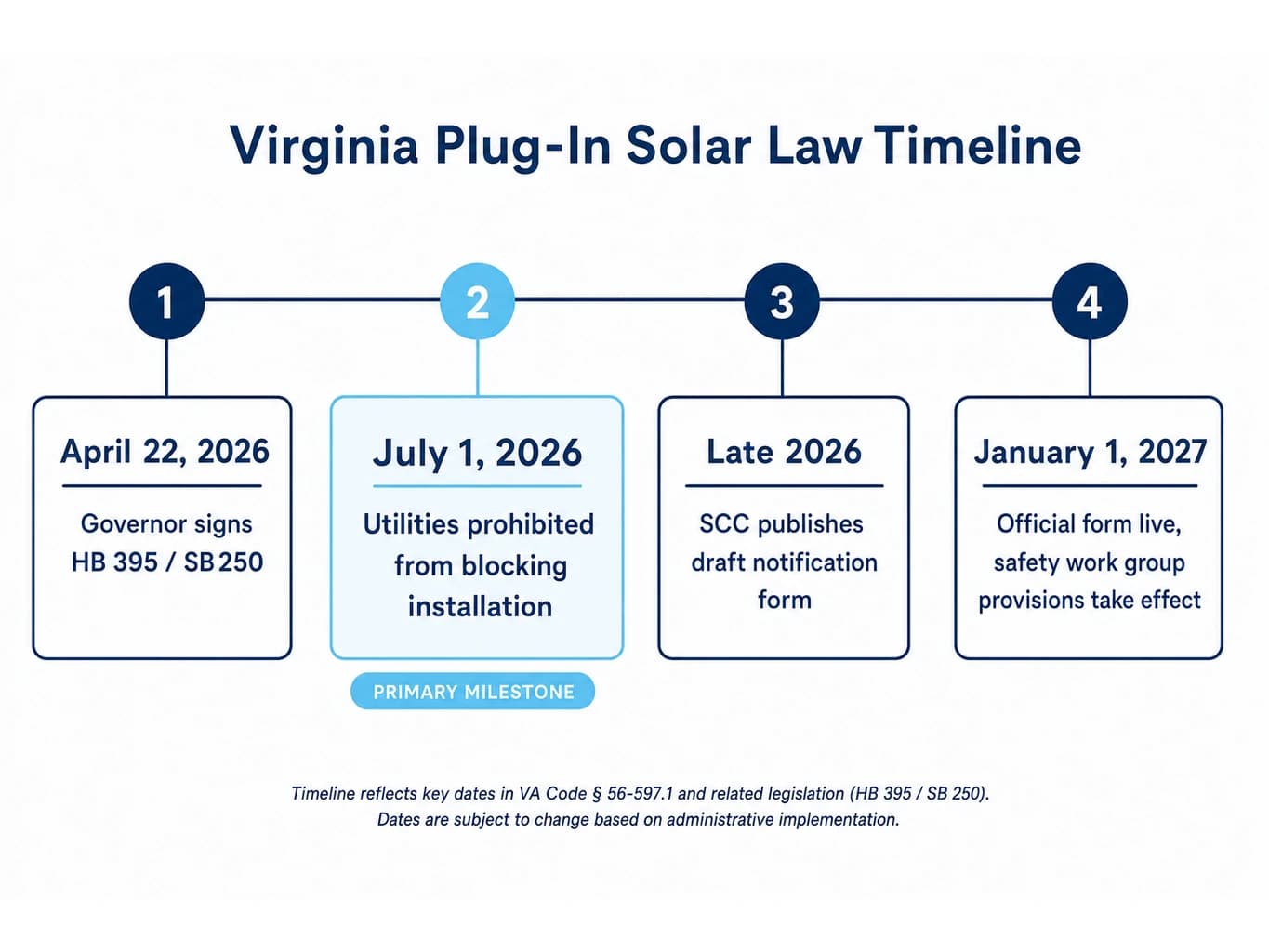
Most of Virginia's plug-in solar law takes effect July 1, 2026. After that date, your utility cannot block you, charge you, or require approval for a qualifying system.
One piece comes later: the State Corporation Commission (SCC) has until January 1, 2027 to publish a standard notification form you'll use to inform your utility that you've installed a plug-in system. This is a one-way notification, not an approval request. Think of it less like asking permission and more like telling your utility you added a new appliance.
If you're ready to move before January 2027, you can install a qualifying system any time after July 1, 2026. The notification form simply doesn't exist yet, and the law doesn't penalize you for that absence.
Who Is Protected: Renters, HOA Members, and Homeowners
Virginia's law is notable for covering people who previously had no path to solar at all.
Renters
If your landlord owns more than four rental dwellings, they cannot prohibit you from installing a qualifying plug-in solar system. They can impose reasonable restrictions on size, placement, and aesthetics, but a blanket ban is now off the table. About 33% of Virginia households are renter-occupied — roughly 1.1 million households that have had solar access blocked by a lease clause that's no longer enforceable.
HOA Members
Your HOA cannot prohibit qualifying systems either. The same carve-out applies: they can regulate where you mount it or how it looks from the street, but they can't ban it outright. Pull your bylaws and check for placement or aesthetic restrictions — those are still enforceable, but a total prohibition is not.
Homeowners Without an HOA
The simplest situation: no utility approval needed, no landlord to negotiate with. You'll fill out the SCC notification form once it's available in early 2027 and you're done.
If you're a renter who needs to have the conversation with a resistant landlord or HOA board, this guide on asking your landlord for permission → covers specific language and escalation paths that work in states with Virginia-style tenant protections.
What Doesn't Virginia's Plug-In Solar Law Cover?
Virginia's 1,200W cap covers most apartments, but two groups of renters hit a hard limit.
The landlord protection only applies when the landlord owns more than four rental dwellings. Rent from an individual landlord or a small two-unit building owner? That protection doesn't reach you. Your landlord can still say no, and that refusal stands.
Two to three panels is roughly what 1,200 watts gets you on a standard balcony. For most apartments, that offsets 15–30% of annual electricity use. Your bill won't disappear, but it will shrink every month the sun shines.
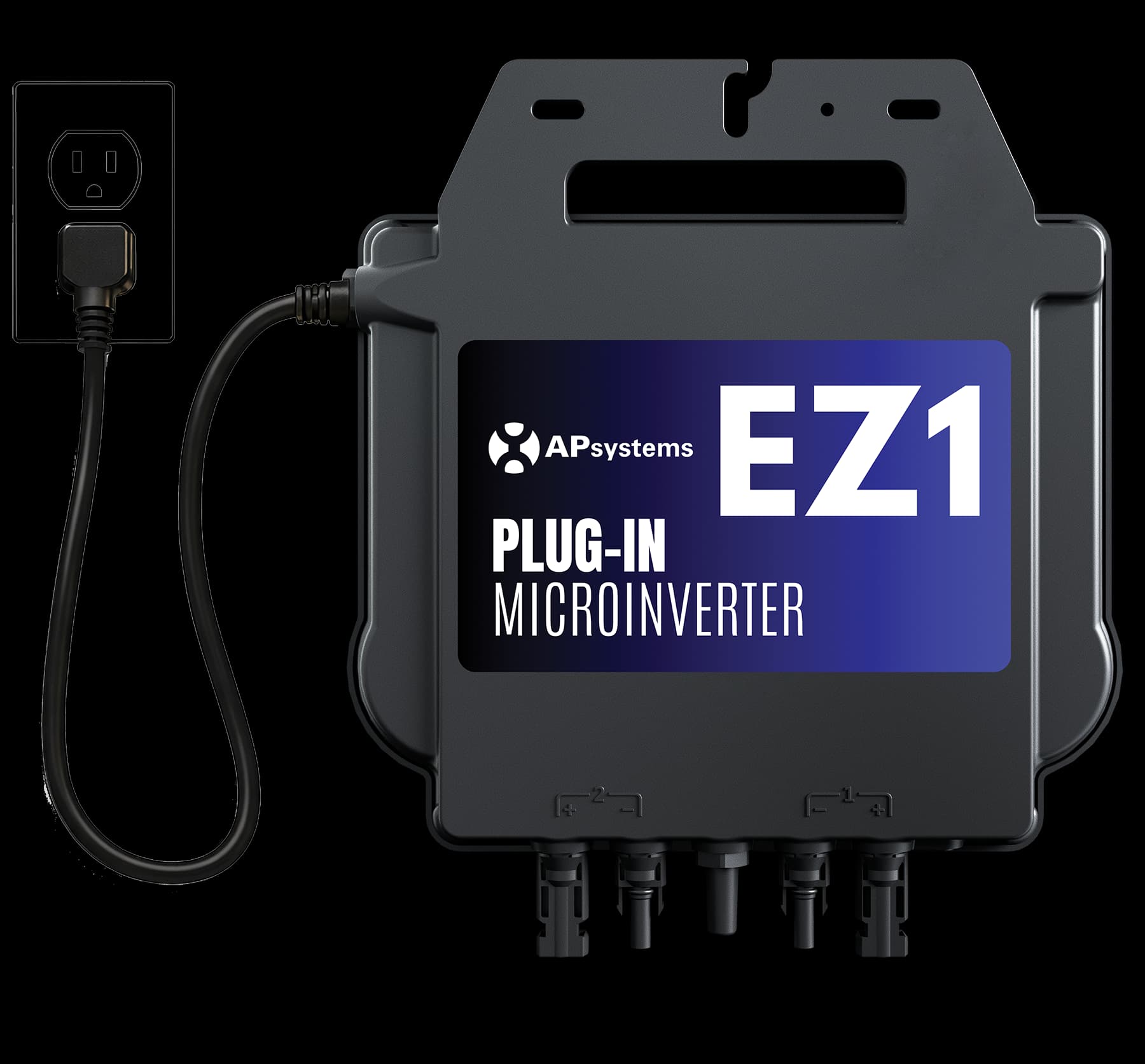
One more requirement: any system you install must be certified by a nationally recognized testing laboratory. Right now, that means UL 1741 SB-listed products. APsystems EZ1-LV, Hoymiles HMS-series, and EcoFlow STREAM units all qualify. UL 3700, the first standard built specifically for plug-in solar →, launched in January 2026, but certified products under that standard aren't expected until late 2026 or early 2027.
How Much Can Virginia Residents Save?
At Virginia's average electricity rate of 13.85¢ per kWh, an 800W plug-in solar system saves roughly $153 per year. That's about $13 per month — modest on its own, but spread across a 15-year panel lifespan, it equals roughly $2,300 in avoided electricity costs from a system that cost under $900 upfront. Payback typically lands in the 4–6 year range.
Virginia's rate of 13.85¢/kWh sits near the national average of about 16¢. Here's how savings break down across different system sizes in Virginia's climate:
| System size | Annual production | Annual savings at 13.85¢/kWh | Typical system cost | Payback period |
|---|---|---|---|---|
| 400W Starter | ~550 kWh/yr | ~$77 | $400–$600 | 5–8 years |
| 800W Standard | ~1,100 kWh/yr | ~$153 | $650–$900 | 4–6 years |
| 1,200W Plus (legal max) | ~1,650 kWh/yr | ~$230 | $900–$1,400 | 4–6 years |
Estimates based on Virginia's average residential rate of 13.85¢/kWh. Actual savings depend on your location, utility rate, sun exposure, and panel placement.
These are statewide averages. Your actual Dominion or APCo bill may differ, and your balcony orientation changes production meaningfully. Try our free savings calculator for a personalized estimate using your zip code →
How Virginia's Law Compares to Other States
Virginia lands in the middle of the pack for US plug-in solar legislation, with renter protections stronger than Utah's original HB 340 → but a lower wattage ceiling than Colorado's 1,920W cap →
| State | Wattage cap | Renter protections | HOA protections | Effective |
|---|---|---|---|---|
| Utah (HB 340) | 1,200W | No explicit tenant law | Bans prohibited | March 2025 |
| Virginia (HB 395) | 1,200W | Yes (landlords >4 units) | Bans prohibited | July 1, 2026 |
| Maine | 1,200W | Limited | Limited | July 2026 |
| Maryland (HB 1532) | 1,200W | Yes | Yes | July 1, 2026 |
| Colorado (HB 26-1007) | 1,920W | Yes | Yes | May 2026 |
| New York (SUNNY Act) | 1,200W | No explicit landlord law | No explicit HOA law | Awaiting Governor |
Colorado still leads on wattage — its 1,920W cap and meter collar adapter mandate go further than any other state law. Virginia and Maryland (HB 1532) → both signed their laws within weeks of each other in spring 2026, and both cover renters and HOA members. Utah's 2025 law started the wave but left renters without explicit protections. Maine's LD 1730 took yet another approach, with a unique 420-watt DIY threshold, but like Utah it stops short of Virginia-style landlord-ban protections.
Curious where your own state stands? Our full state-by-state legality tracker covers all 50 states →
What Virginia Residents Should Do Right Now
The law is signed. The key date is July 1, 2026. Here's how to move:
Confirm your situation
Renter? Verify your landlord owns more than four units — the protection applies if they do. HOA member? Pull your bylaws and look for placement or aesthetic restrictions, because those are still enforceable even though an outright ban is not.
Choose a certified system
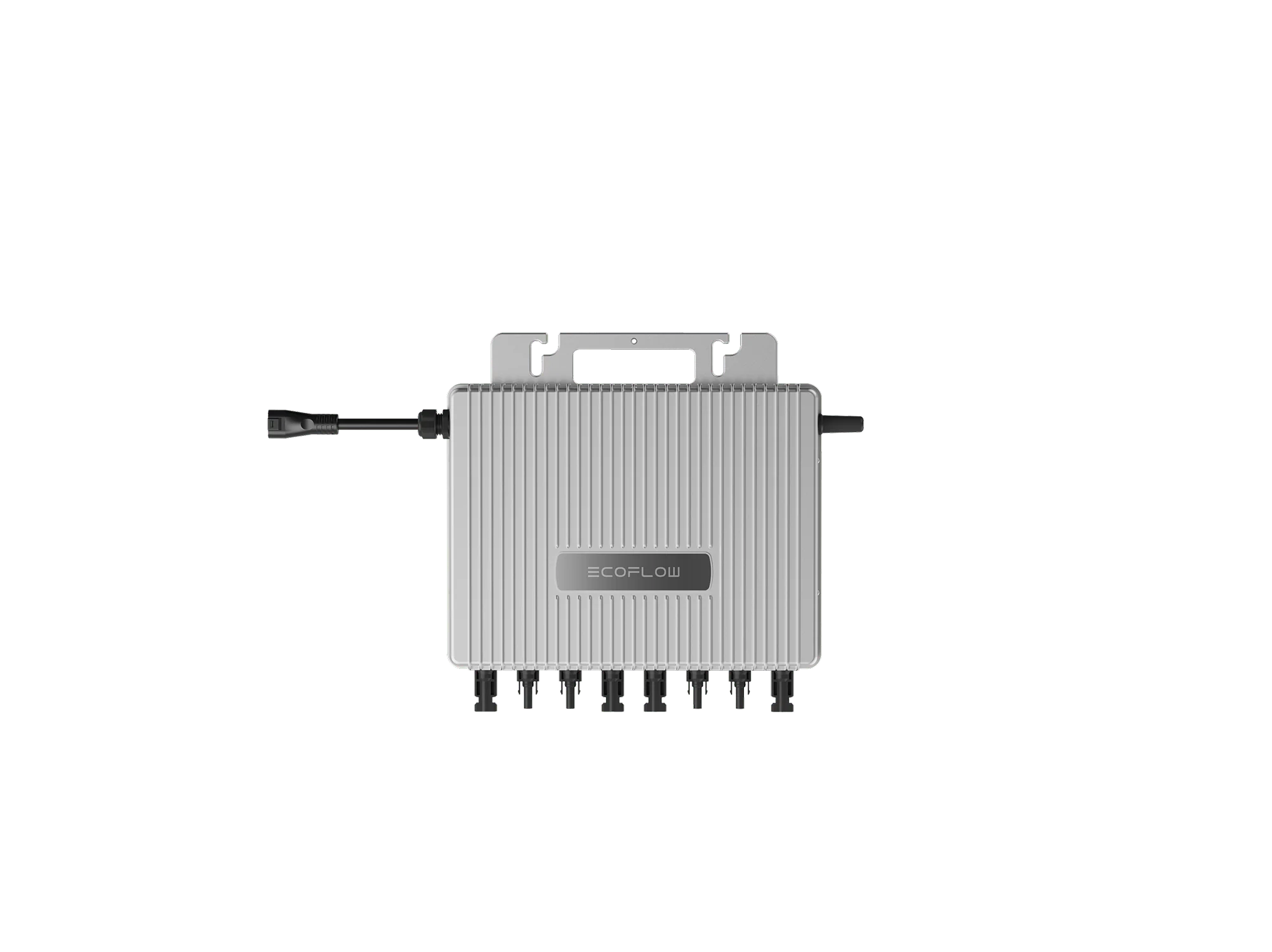
You need a UL 1741 SB or UL 3700-listed microinverter. APsystems EZ1-LV and Hoymiles HMS-series units both qualify today. Anti-islanding protection isn't optional under Virginia law, so skip uncertified products.
Pick your wattage
For most apartments, 400W–800W hits the right balance of cost and output. A 400W Starter gets you into solar for under $600. An 800W Standard setup roughly doubles your savings without meaningfully changing the install complexity.
Run the numbers before you buy
Virginia's statewide rate is about 17¢/kWh, but your actual Dominion or APCo bill may differ.
Notify your utility after January 1, 2027
The SCC notification form is coming. When it's published, filing it is straightforward — it's a notification, not an approval. Check the Virginia SCC website for updates closer to that date.
Not sure which microinverter to buy? Our microinverter guide explains what to look for → and our savings calculator gives you a personalized payback estimate →
Browse our curated product catalog to compare certified systems →
What You Can Buy in Virginia Right Now
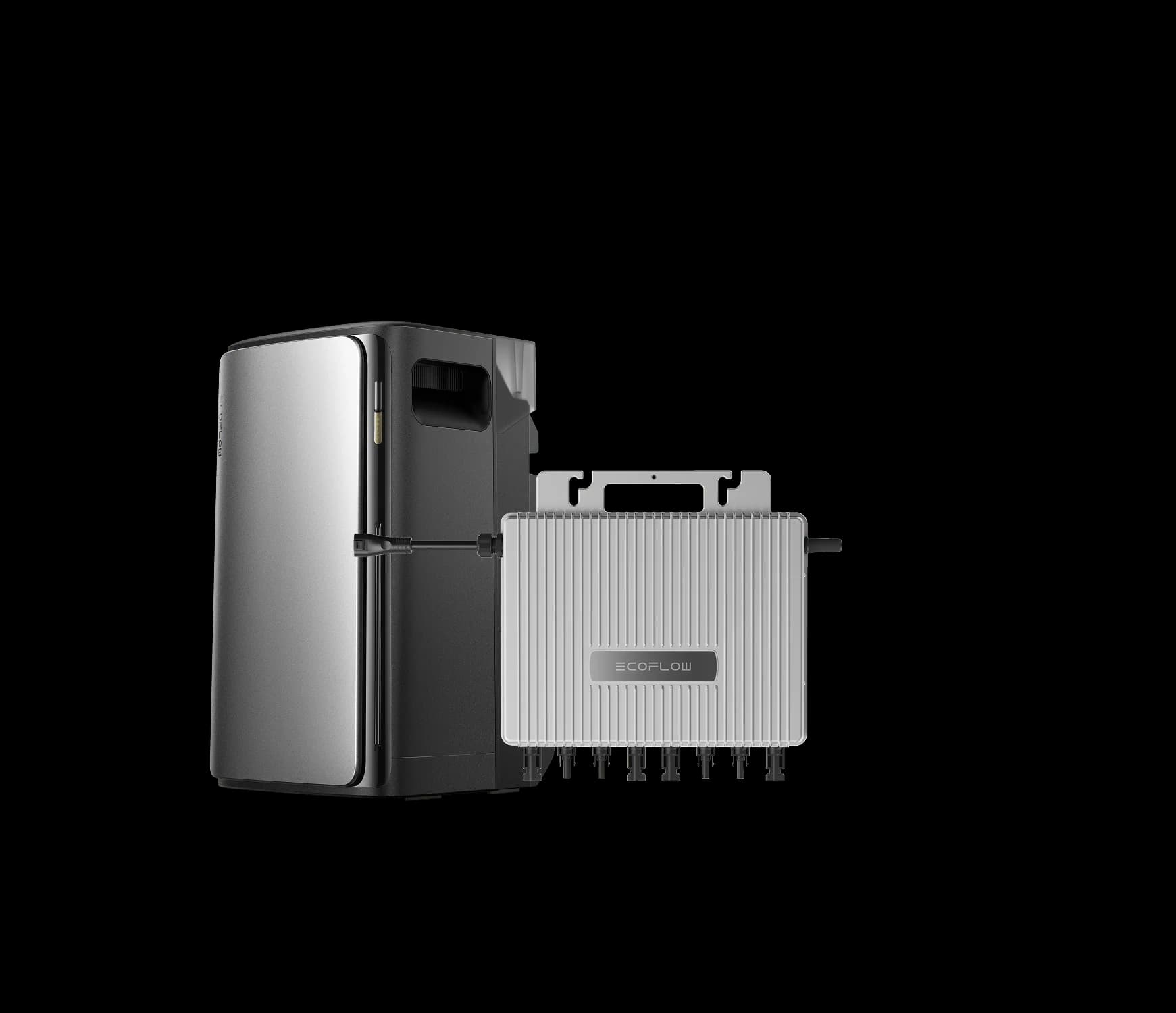
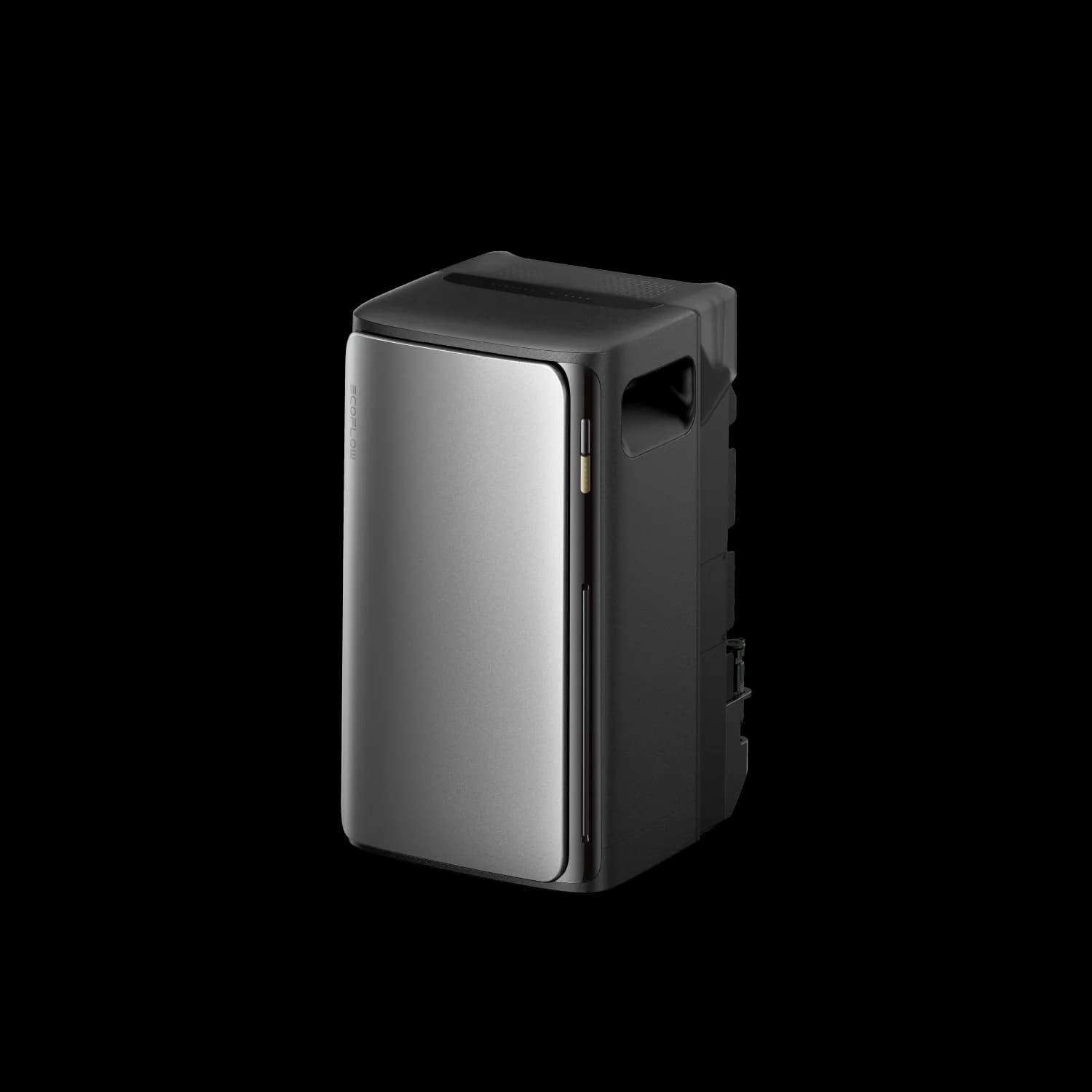
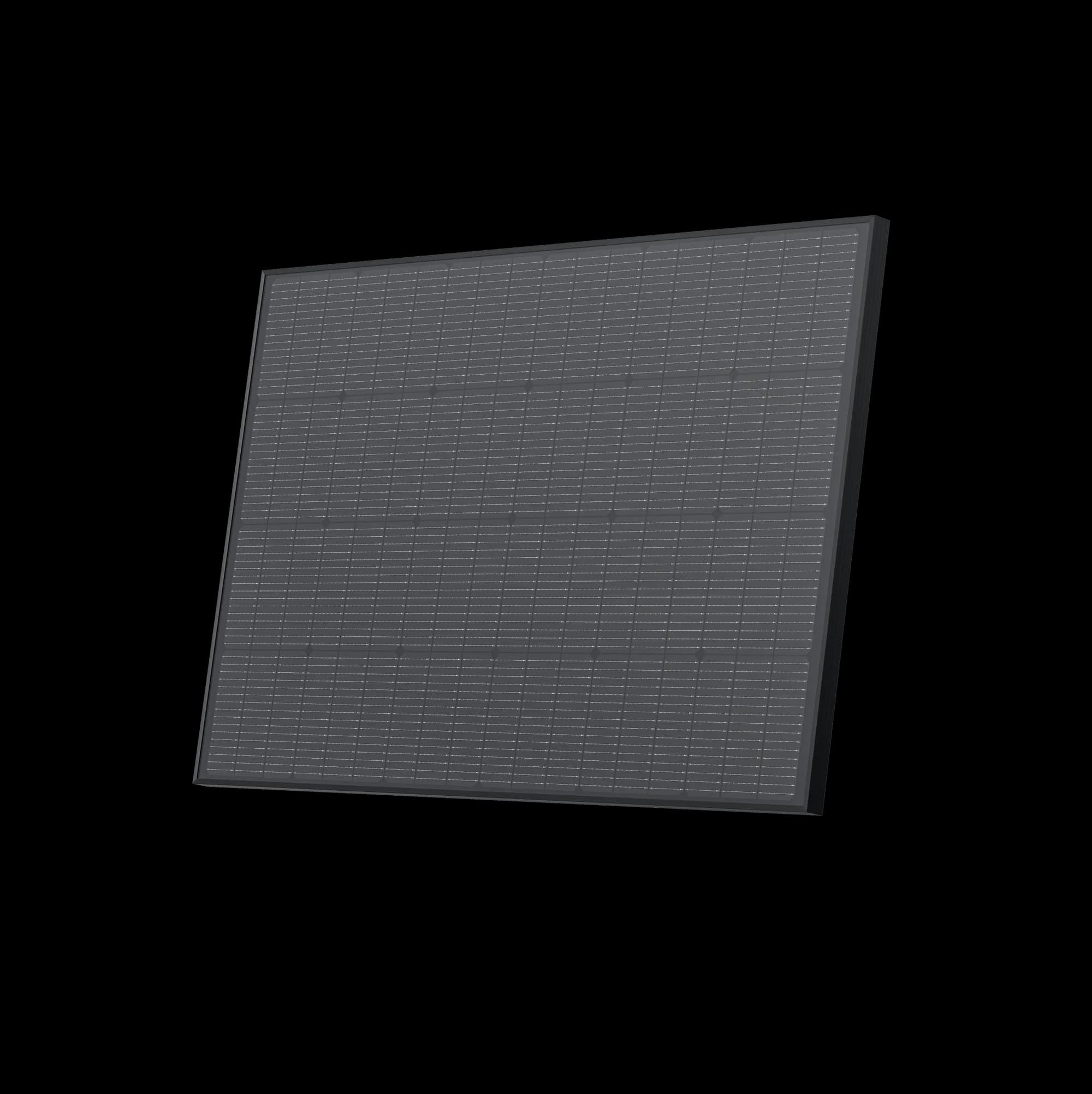
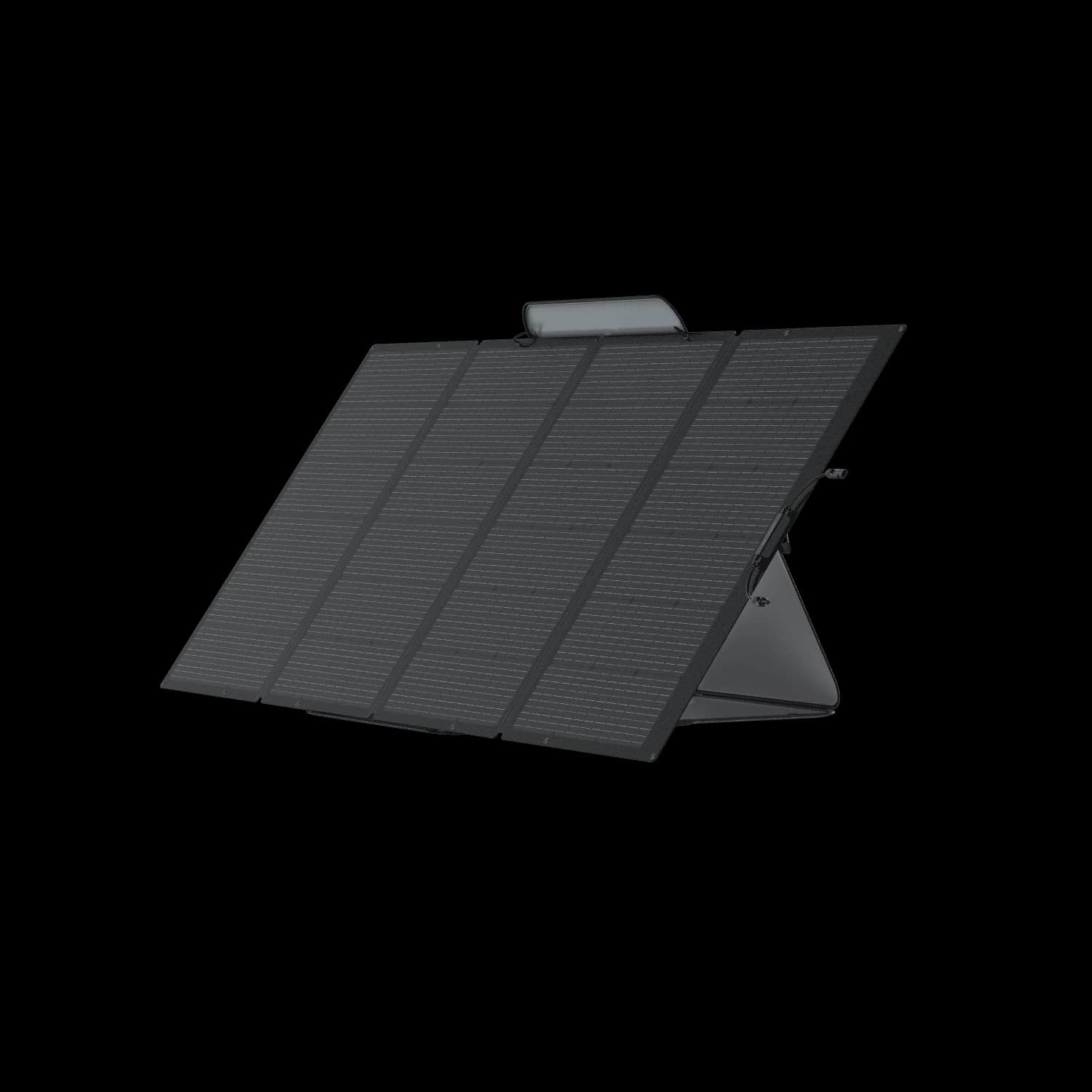
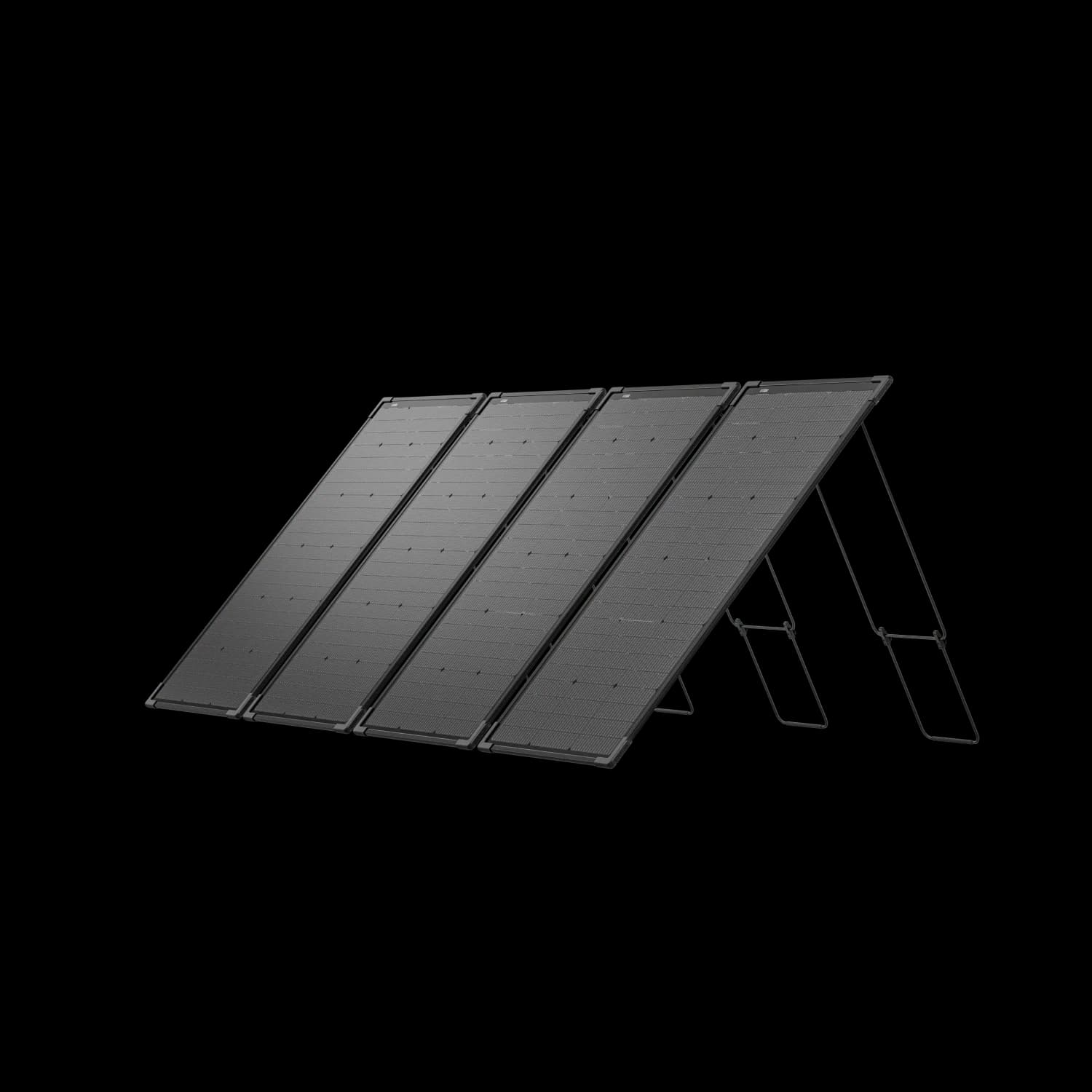
Choose a system at or below Virginia's 1,200W limit with the required nationally recognized certification. Match the system size to your usable outdoor space, and keep the law's no-export requirement in mind when planning how you will use daytime power.
We may earn a commission when you purchase through product links below. It doesn't affect the price you pay. Read our full disclosure →
Virginia's average residential rate is 13.85¢ per kWh. Calculate a Virginia-specific savings estimate →
Frequently Asked Questions
Common questions about Virginia's SB 250 / HB 395 and what it means for residents.
Ready to see how much you could save in Virginia?
Enter your zip code and monthly electricity bill. Our calculator uses real solar data for your location to estimate your savings at Virginia's rates.
Last updated: August 1, 2026. Virginia law information is reviewed quarterly for accuracy.