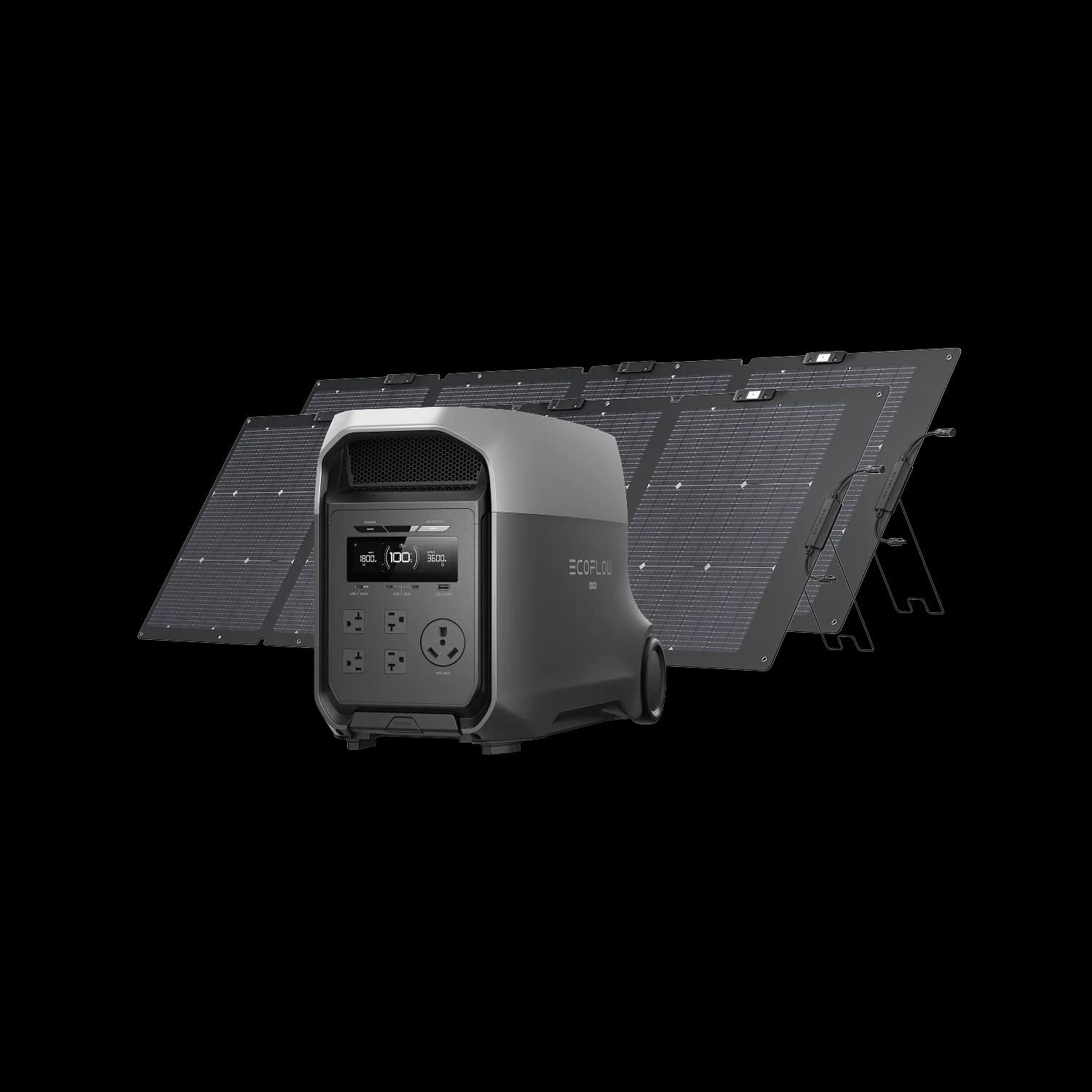
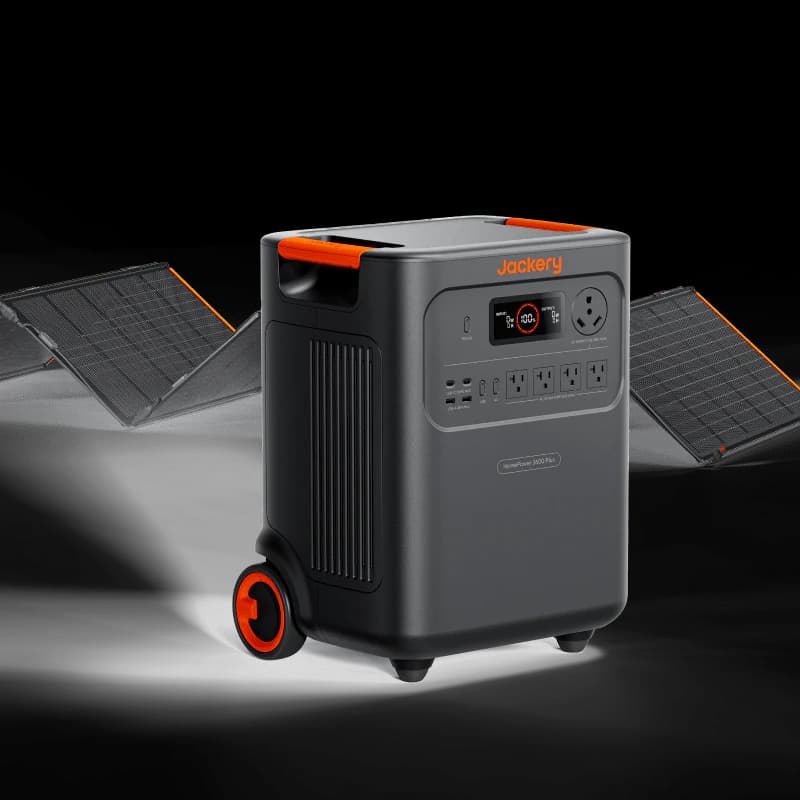
How to buy plug-in solar without regretting it
Start with legality and limits, not wattage hype
Plug-in solar sits at the intersection of electrical safety, utility rules, and state policy. The right system for you is the one that is allowed where you live, fits your install location, and matches your comfort level with DIY setup. Before you fall in love with a high-wattage kit, read your state summary and understand what limit applies to your situation. If you're still unsure how a panel legitimately connects to a household outlet, start with our explainer on plugging solar panels into a regular outlet.
Our state-by-state legality guide is the best place to start. It is written for normal homeowners — not engineers — and it links back to product ideas only after the rules make sense.
Match the system to your install scenario
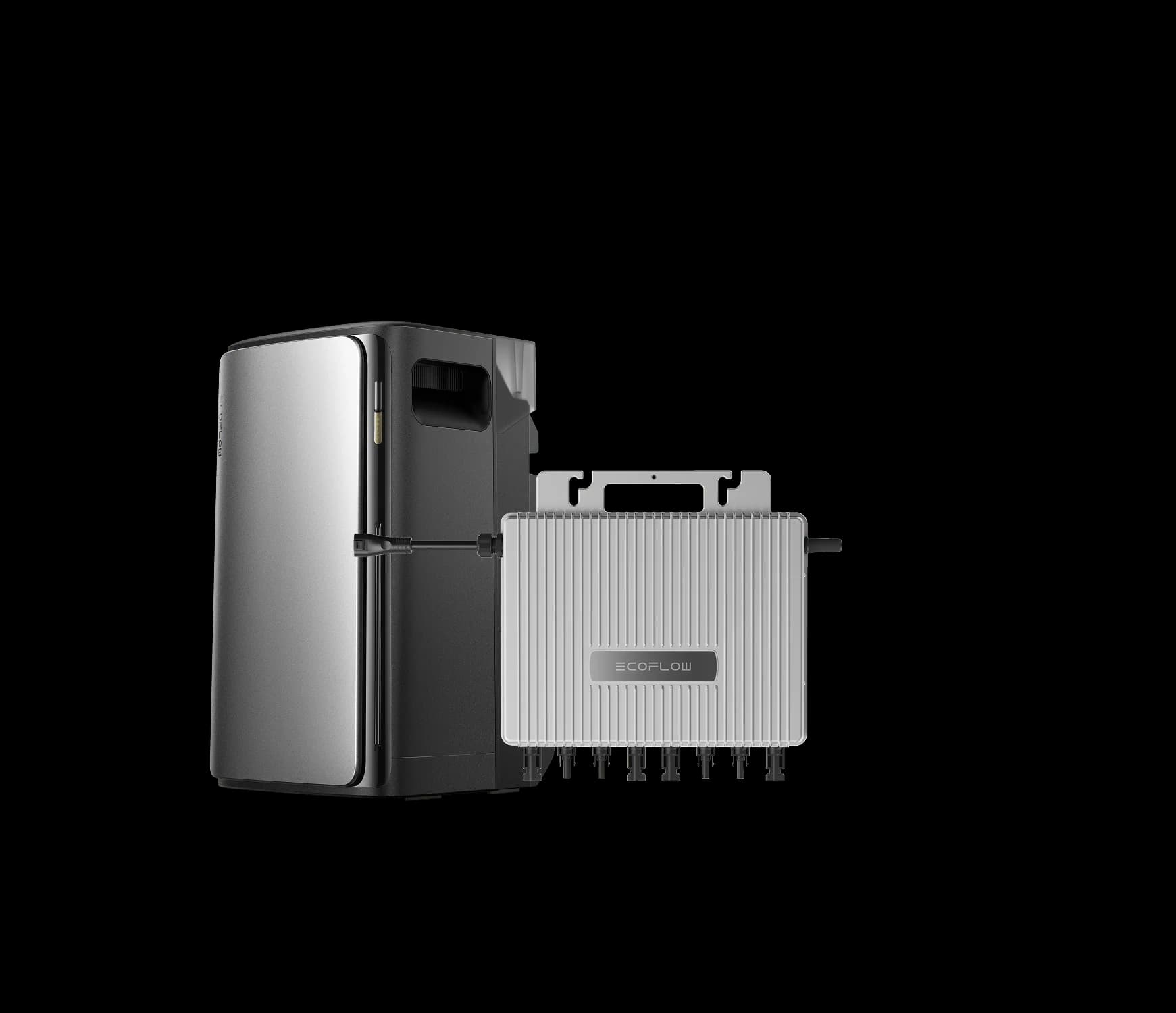
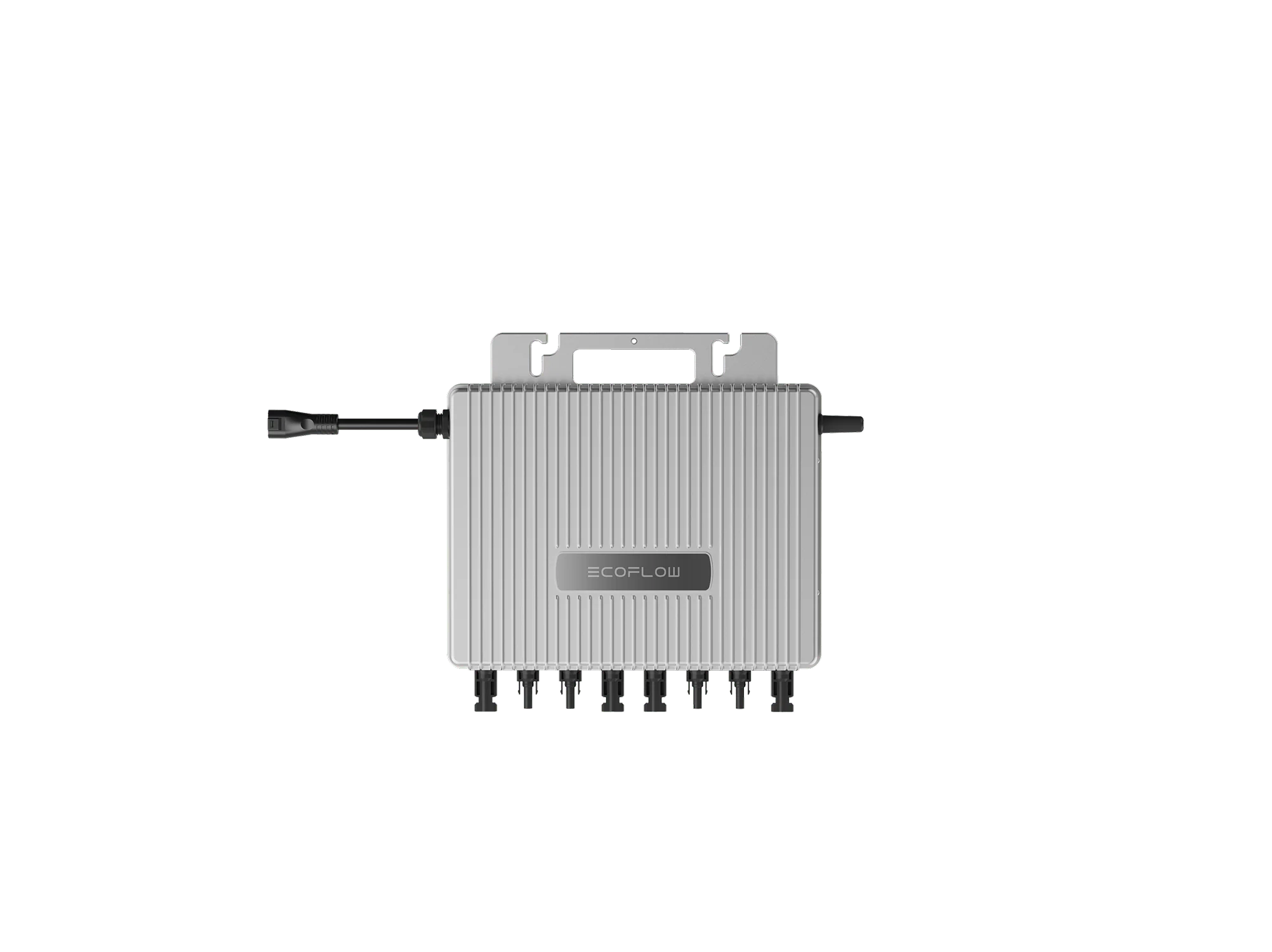
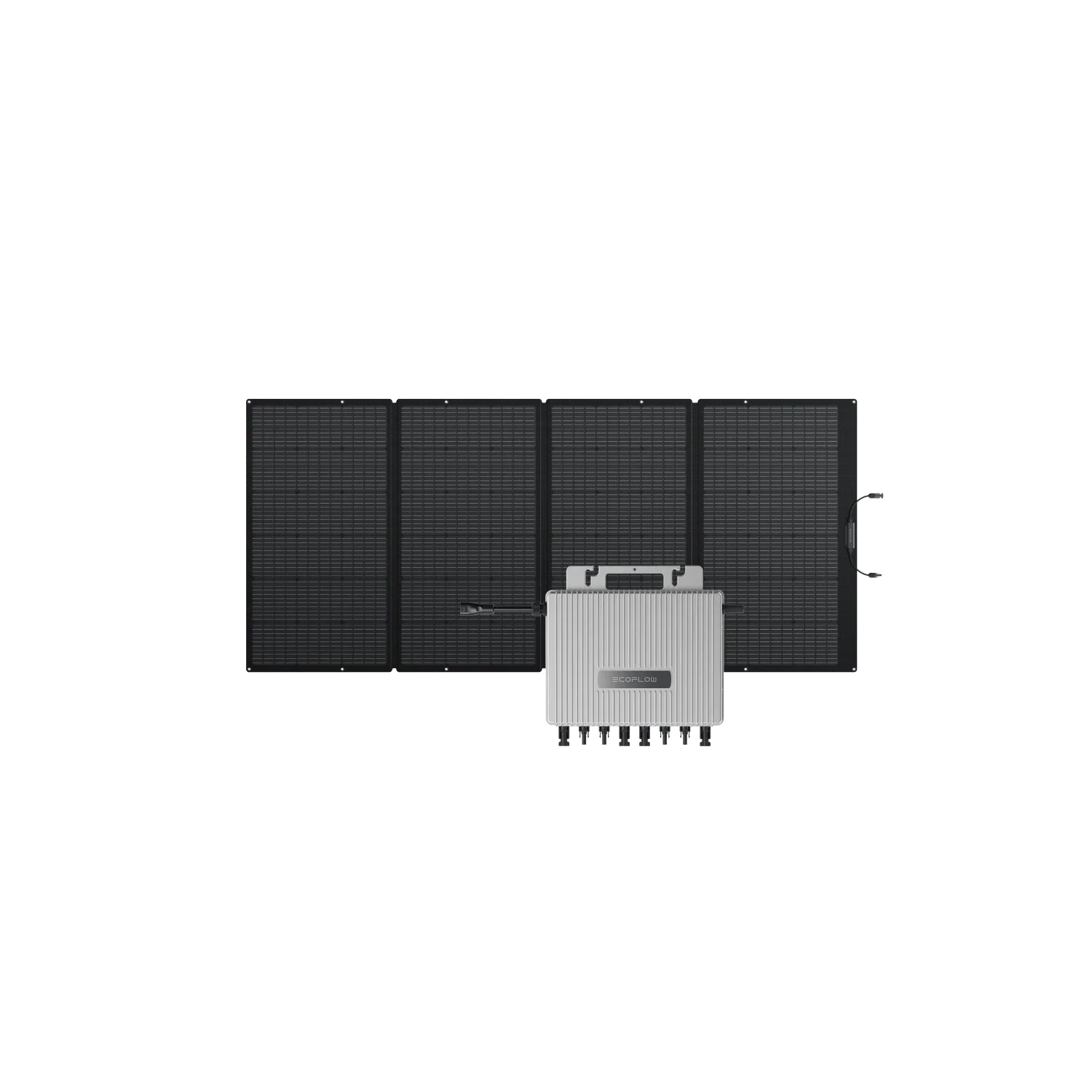
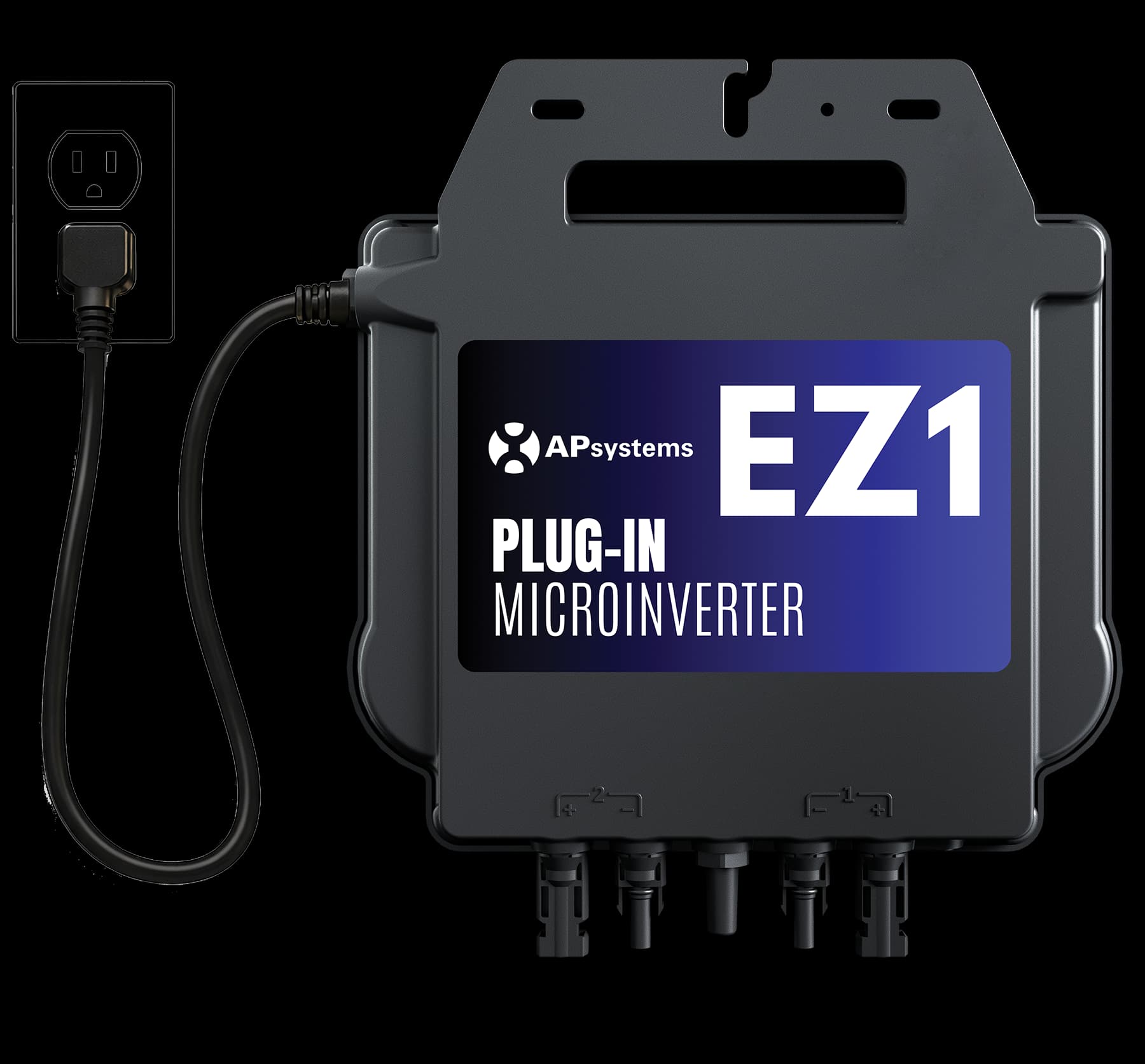
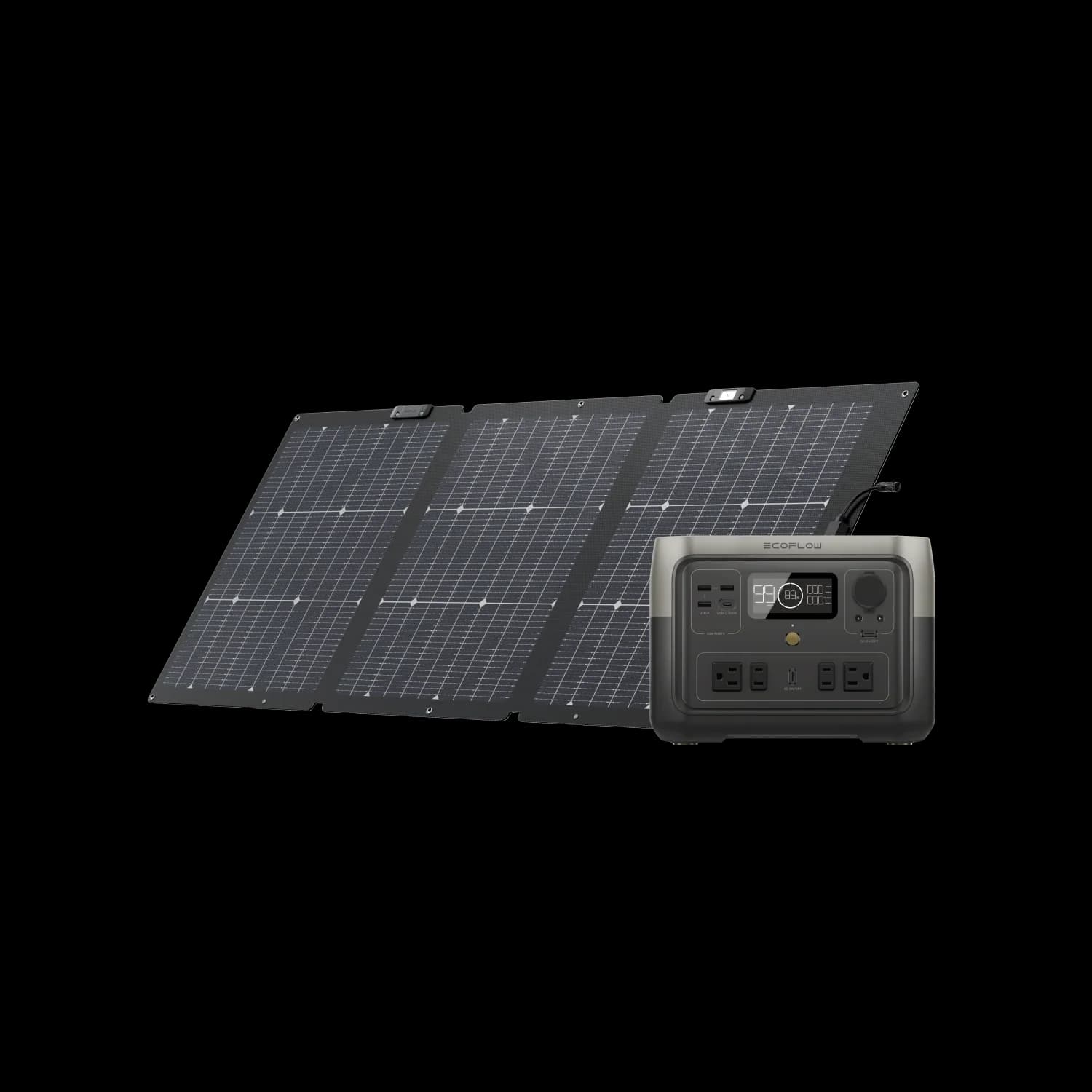
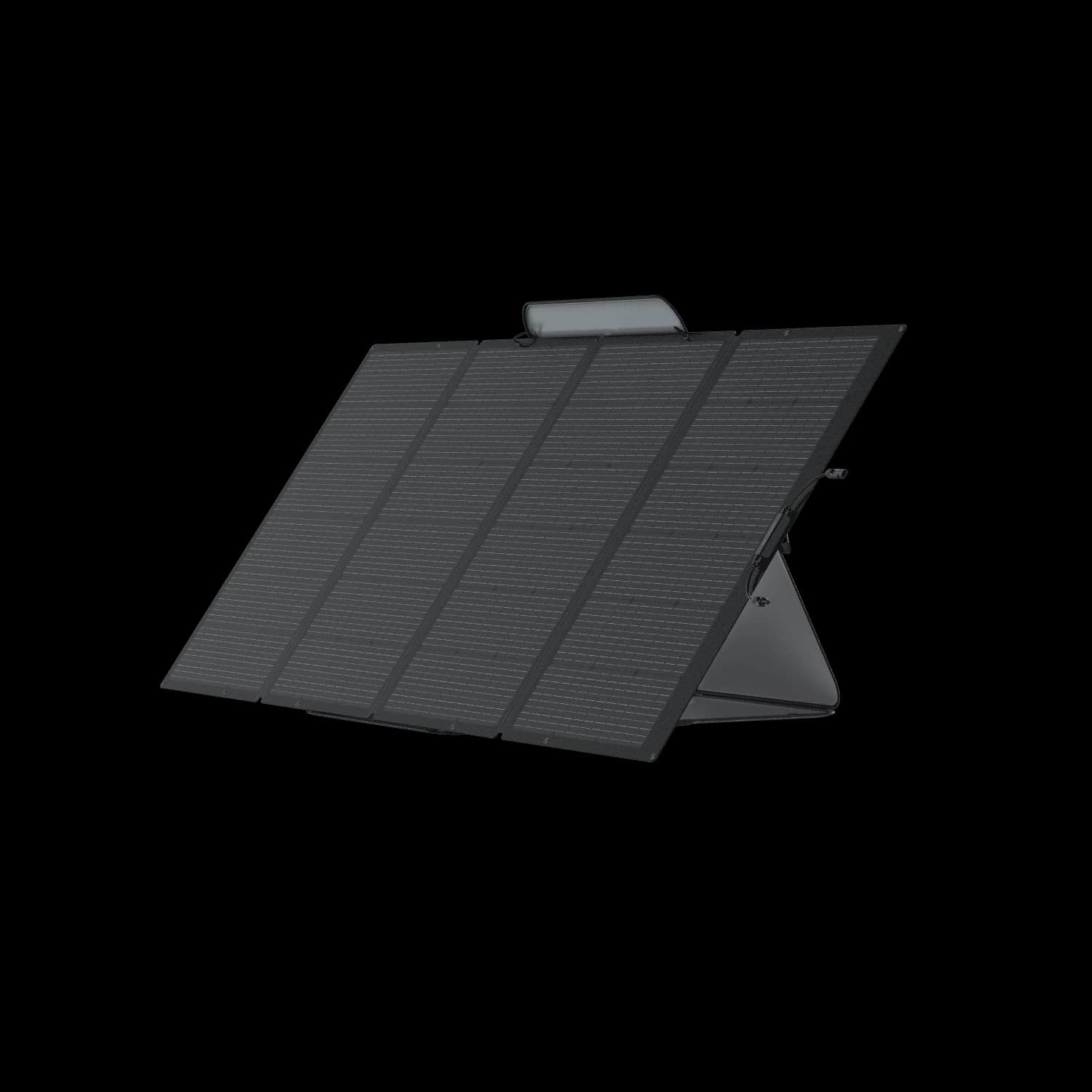
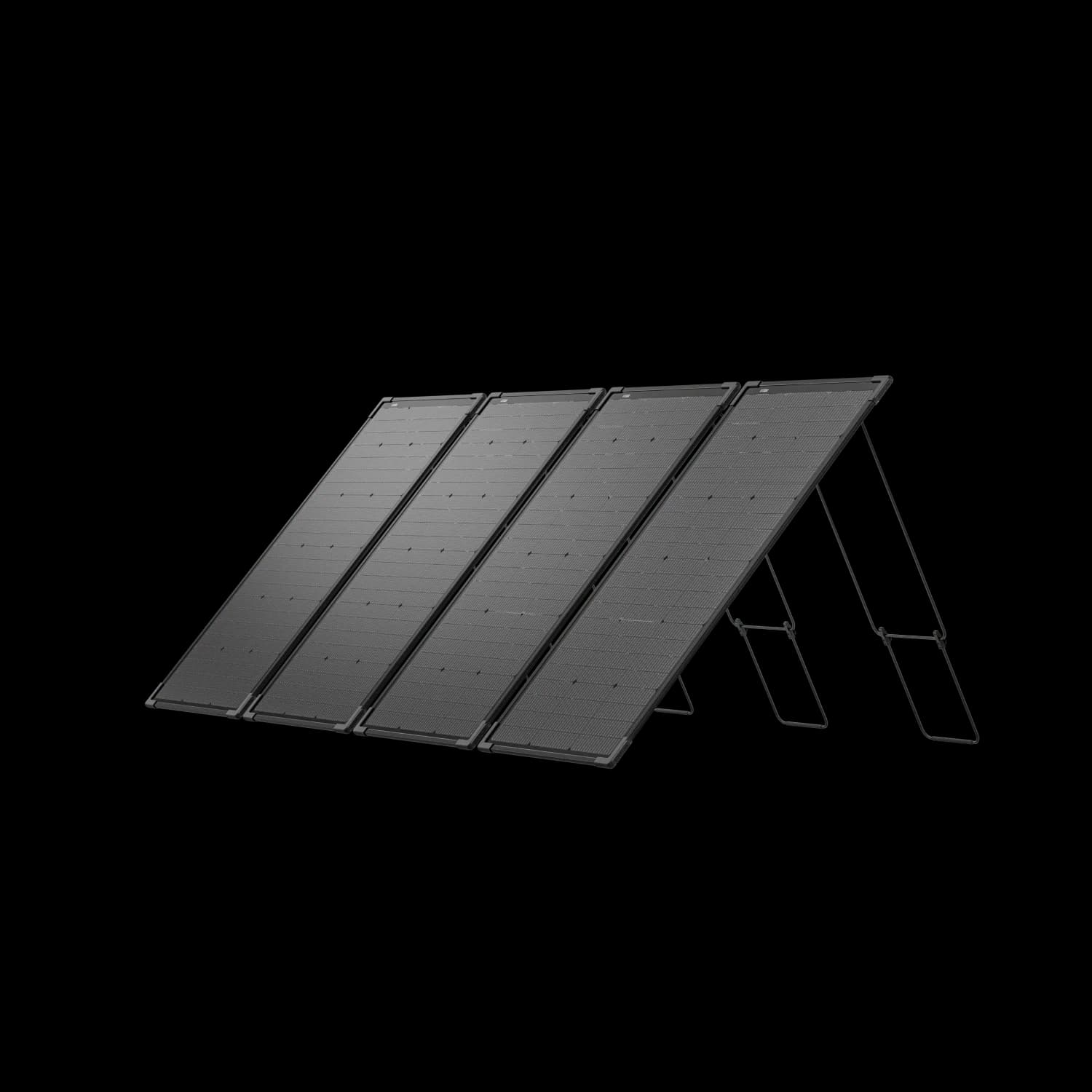
Most shoppers land in one of a few buckets. Renters and apartment dwellers often want a railing-friendly setup with minimal drilling. Homeowners with a sunny patio or yard may prefer a ground stand they can tilt and clean easily. If you already have panels, you might only need a certified microinverter path that turns your array into a plug-in style install.
If you are unsure which scenario fits, browse the installation hub and pick the guide that matches your building type. Then come back here and filter products by install compatibility.
Battery or no battery: a practical decision
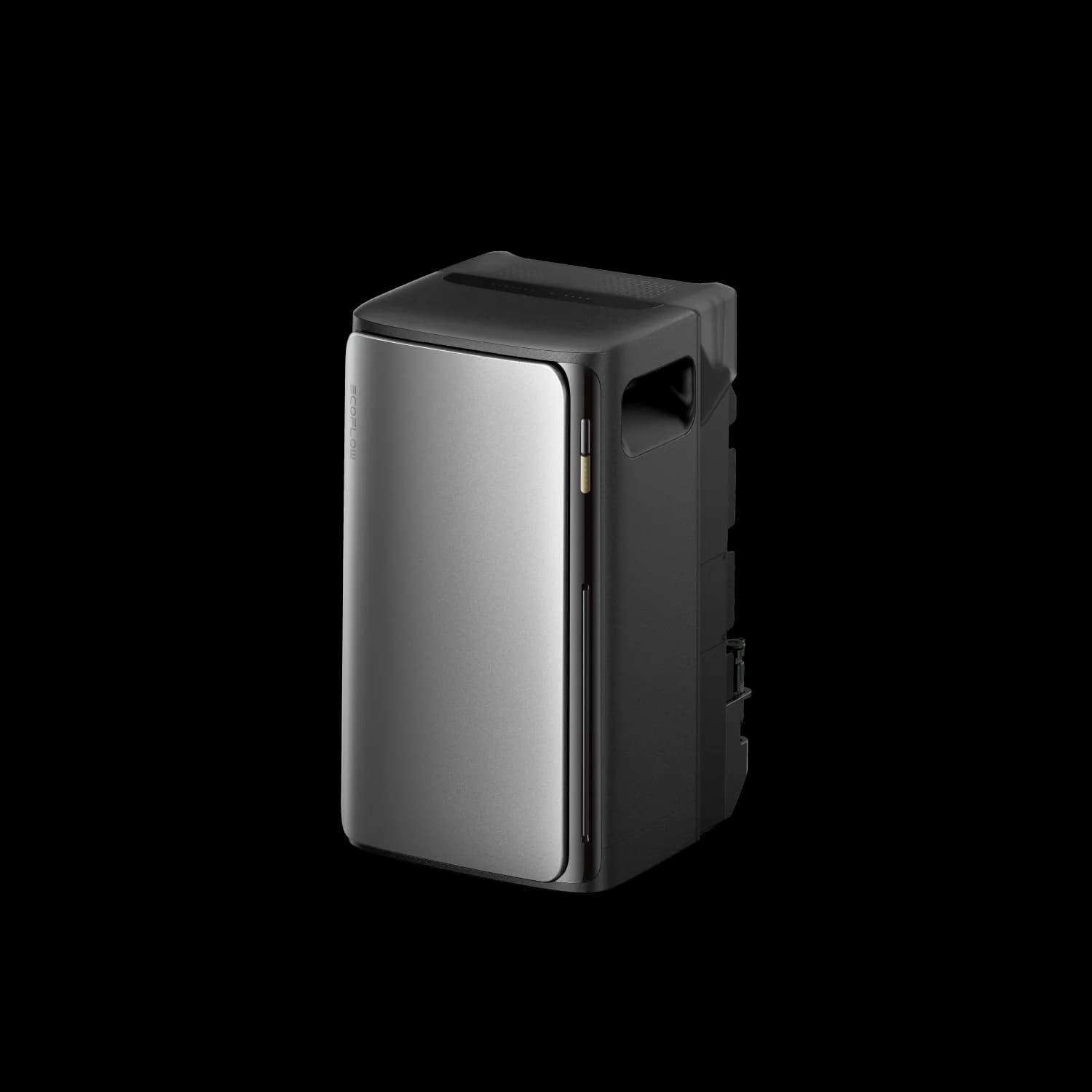
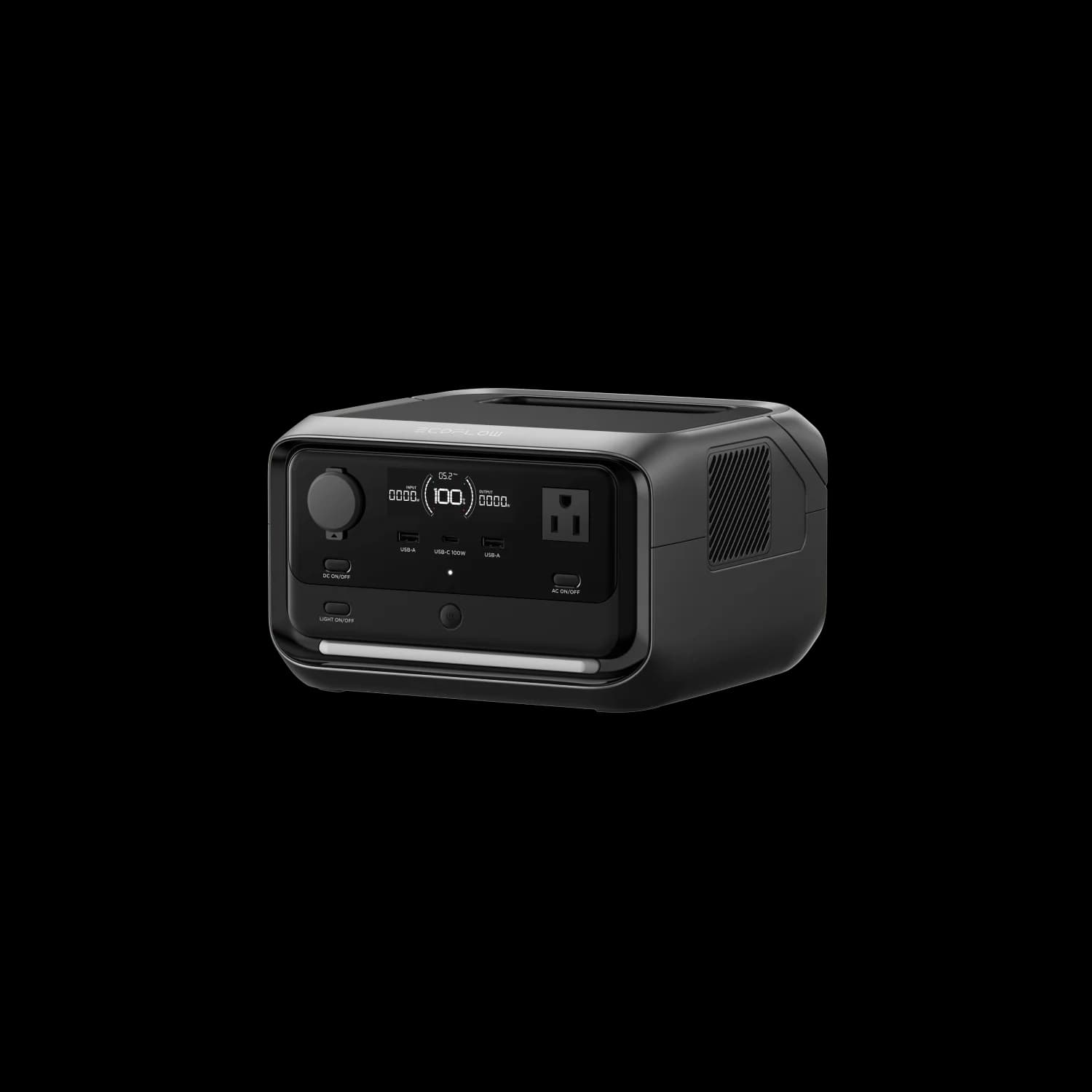
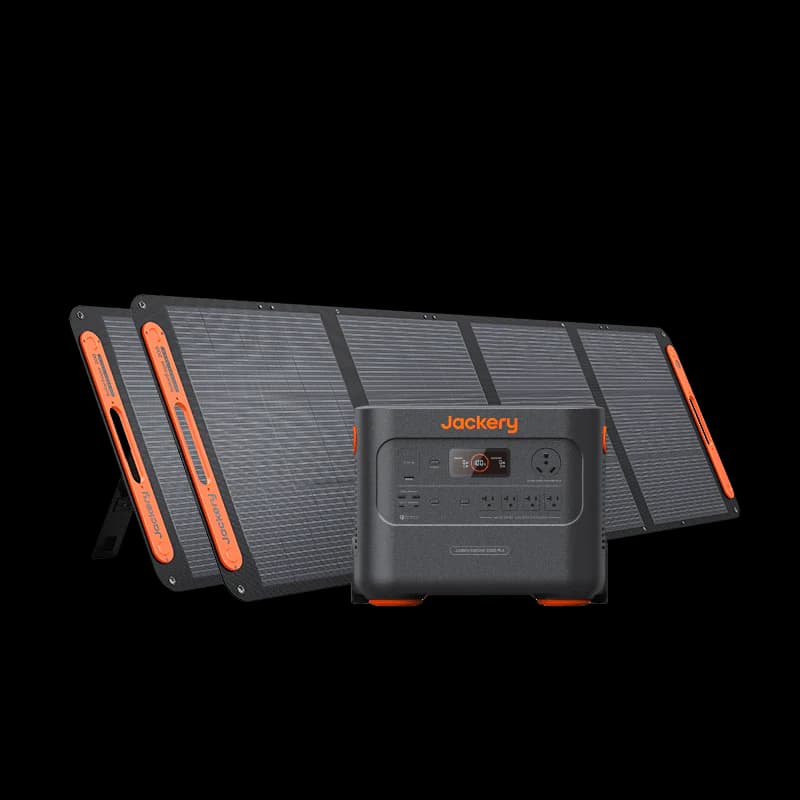
A battery adds cost, but it can also change how the system feels day to day. Without storage, your savings track sunshine hours closely. With storage, you may be able to shift more energy into evening hours depending on equipment behavior and your home loads. Neither option is universally better — it depends on your rate structure, your goals, and whether you want backup during outages (not all systems provide backup).
If you are price sensitive, it is completely reasonable to start with a smaller or non-battery configuration, learn how production looks on your roofline or balcony, and upgrade later.
Use wattage as a guardrail, not a trophy
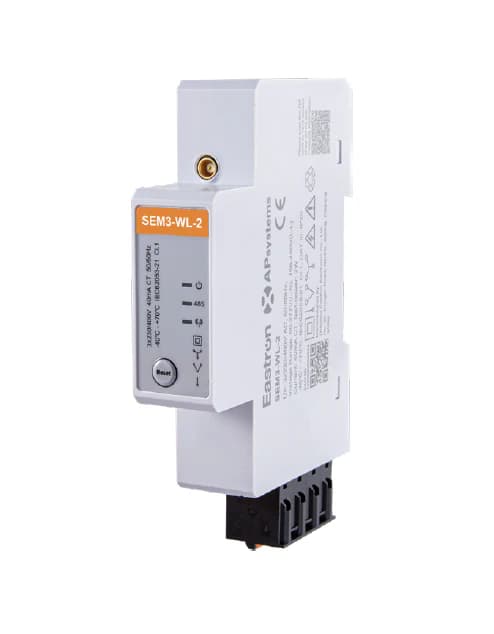
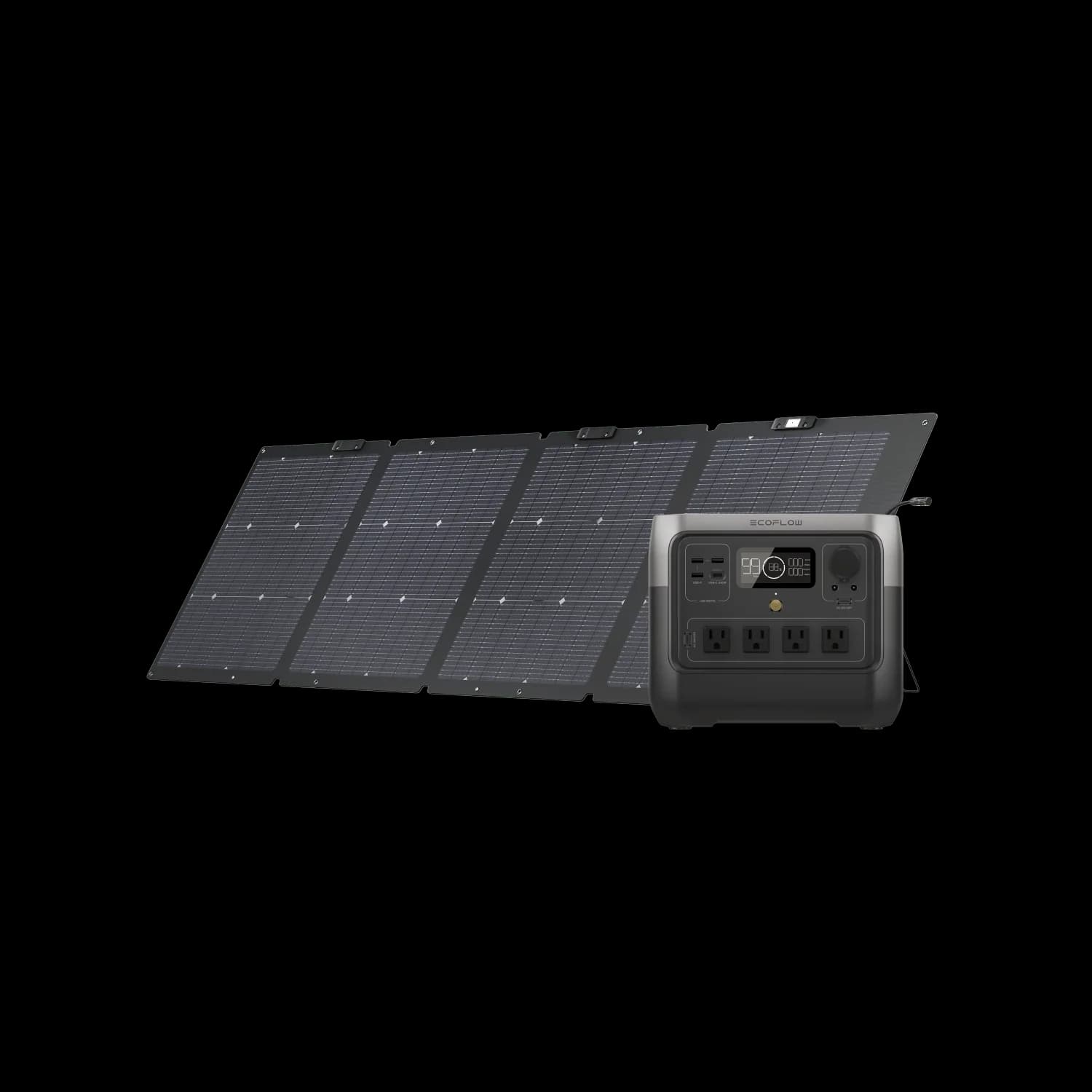
Higher output is only better if it is allowed, safe on your circuit, and appropriate for your site conditions. Pay attention to the AC output wattage in the product card, not just panel ratings. If two products look similar, compare weight, cable routing, warranty terms, and what is included in the box — small differences matter more than marketing adjectives.
Confirm the electrical plan before checkout
Even plug-in systems deserve respect: outdoor-rated cabling, GFCI protection, and a circuit that is not already overloaded. If you are not comfortable evaluating your breaker panel, that does not mean solar is off limits — it means you should pause and get a licensed electrician to answer a narrow question about circuit capacity and code compliance. Renting an older apartment? Check your apartment's electrical capacity before you buy.
When you are ready to buy
When you click through to a manufacturer's store, double-check variant selection, warranty, return policy, and shipping box weight. Keep your tracking number and photograph the unboxing if you might need support later. If you want one last confidence check, run the savings calculator and save your results screenshot for comparison after your first month of production.