Maryland Plug-In Solar Law: What HB 1532 Means for You
On May 12, 2026, Governor Wes Moore signed HB 1532 and Maryland's plug-in solar law took effect that same day. No waiting period. The law includes a standard 1,200W cap and a simple notification requirement, but its most interesting feature is something no other enacted state law offers: a certification exemption for systems under 391 watts. If you live in Maryland and have been watching the plug-in solar movement, your window opened three weeks ago.
What Does Maryland's Plug-In Solar Law Actually Allow?
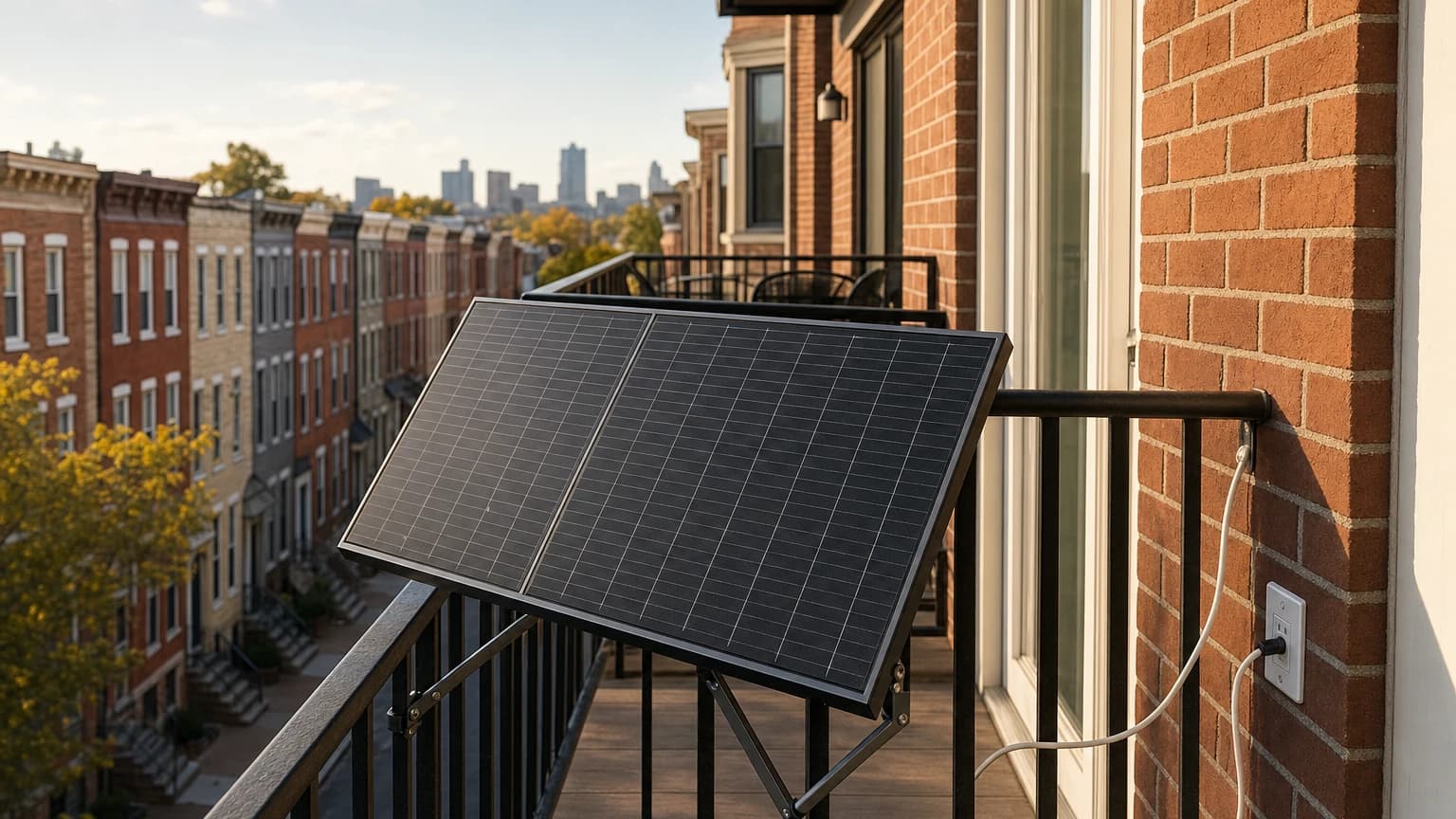
Maryland's law lets any residential electricity customer install one portable solar energy generating system per meter, up to 1,200 watts, that plugs into a standard 120-volt outlet and is designed to offset part of your home's electricity use. You don't need utility approval. You need to notify your utility that you have one.
HB 1532's full name is the Utility RELIEF (Reducing Energy Load Inflation for Everyday Families) Act, and the name says what drove it. Maryland electricity rates have been rising, and the bill's sponsors wanted immediate relief. The House passed it 108–25 on March 17, 2026, the Senate cleared it April 13, and Moore signed it May 12 under an emergency clause that skipped the usual 45-day waiting period for new laws.
Plug-in solar is one piece of a larger bill. HB 1532 also directs $100 million from Maryland's Strategic Energy Investment Fund toward utility bill relief and sets up competitive bidding for local clean energy projects. The solar provision got the least press coverage, which means most Maryland residents still don't know they can legally do this.
Maryland's Two-Tier Certification Rule: How the 391W Line Works
Maryland splits plug-in solar into two categories based on wattage, and which side of 391 watts you're on determines what certifications your inverter needs.
391 watts or less — No UL certification required
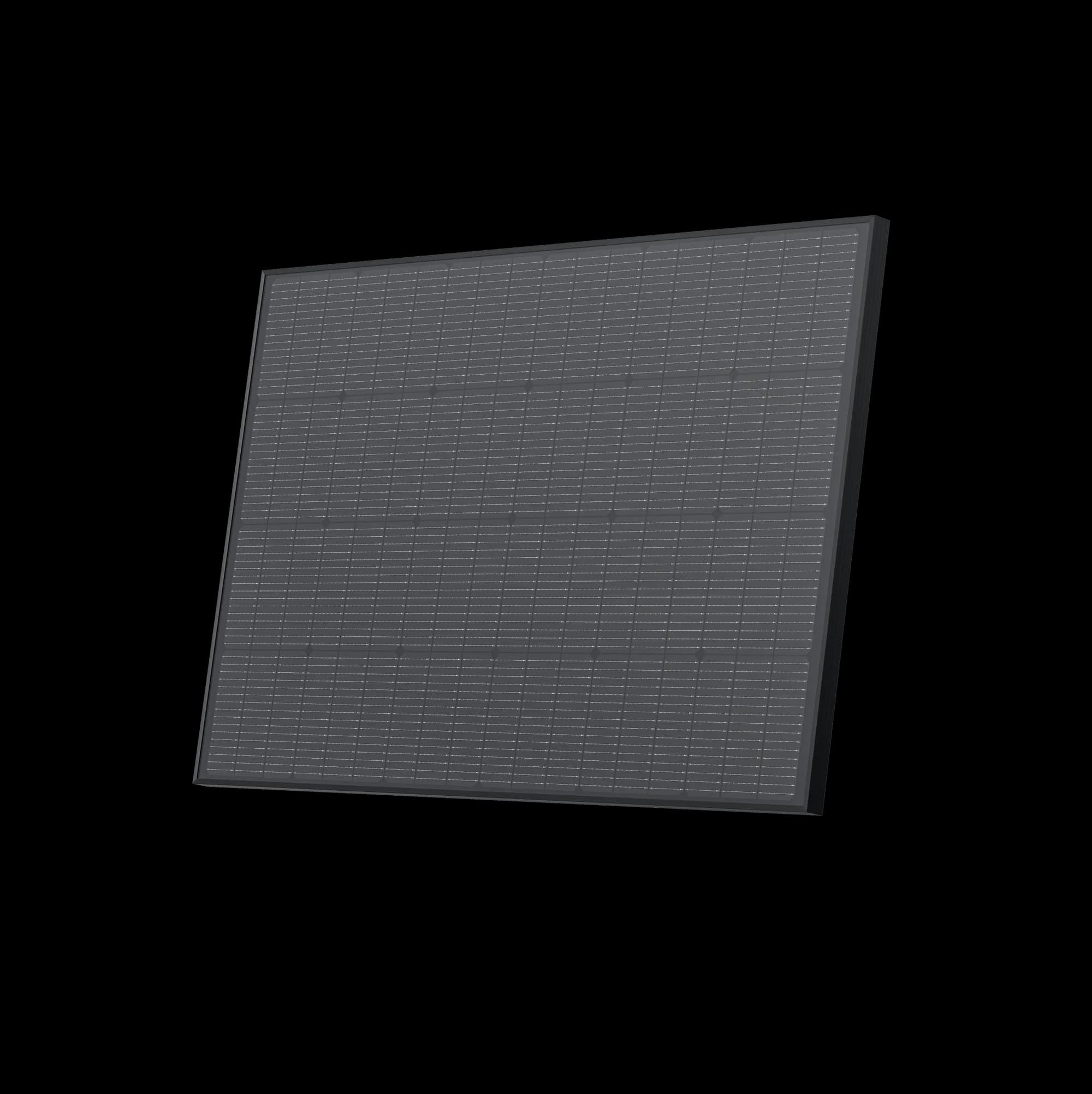
Buy an entry-level balcony solar panel and a basic microinverter, plug into a standard outlet, and you're operating within the law. Many starter systems on the market today (including most 300W and 400W panels) land right in this range. It's the lowest-friction entry point of any enacted state law in the US.
392 watts to 1,200 watts — UL certification required
Your inverter must be certified to UL 1741 SB (the current standard) or an equivalent national testing lab. You also need to follow the utility notification process. For a deeper look at what UL certification actually tests, see our UL 3700 explainer →, the newer standard launched in January 2026 that will become the benchmark as more products hit the market.
No other enacted state law has a wattage-based split like this. Utah, Virginia, Maine, and Colorado all require UL certification for any grid-connected system regardless of size. Maryland's exemption for sub-391W systems gives renters and apartment dwellers a lower-cost starting point that the other four states don't offer.
One clarification worth making: the UL exemption covers the certification label, not the underlying safety functions. Any reputable microinverter includes anti-islanding protection (the safety shutoff that cuts power within seconds if the grid goes down, protecting utility workers and your wiring). The UL label means an independent lab confirmed those protections work as claimed. Without it, you're relying on the manufacturer's word. That's a risk many buyers will accept for a 300W starter system; it's less comfortable at 800W or above.
How HB 1532 Passed: 89 Days from Introduction to Law
The bill moved quickly. Four months from introduction to an immediately-effective law is fast for solar legislation.
February 13, 2026
HB 1532 introduced in the Maryland House.
March 17, 2026
House floor vote: 108–25 passed with bipartisan support.
April 13, 2026
Senate passed the bill. Sent to Governor Moore for signature.
May 12, 2026
Governor Wes Moore signed HB 1532 into law. An emergency clause made it effective immediately — no waiting period.

What You Have to Tell Your Utility — And What You Don't
You don't need your utility's permission. For most Maryland residents, that single provision makes plug-in solar practical for the first time.
Under HB 1532, you notify your utility that you have a plug-in solar system and provide basic system information. The utility cannot charge an interconnection fee, make you wait for approval, or say no.
The one exception: automatic locking disconnect
Your utility can require you to pay for an automatic locking disconnect switch installed on your meter. This hardware cuts power during utility maintenance and protects line workers. It costs roughly $100. Most utilities don't require it for small residential systems, but the law permits them to request it. If they do, you pay for the device and the utility handles installation.
That's the only cost the utility can legally pass on to you under HB 1532. They cannot charge interconnection fees, application fees, or any other solar-related fee.
If your utility needs to do any meter work to accommodate your system, they have five business days to complete it. They can't run the clock out on you.
The practical steps for most Maryland residents: buy your system, plug it in, and send a notification to your utility with your system's specs. That's the whole process. For a state-by-state breakdown of what requires notification, utility approval, or nothing at all, see our permit and approval guide →
What Plug-In Solar Saves at Maryland Electricity Rates
Maryland's average residential electricity rate is about 21 cents per kilowatt-hour, roughly the national average, according to EIA data from early 2026. At that rate, here's what a plug-in solar system puts back in your pocket each year:
| System size | Monthly output | Monthly savings | Annual savings | System cost | Payback |
|---|---|---|---|---|---|
| 400W Starter | ~50 kWh | ~$8 | ~$87 | $300–$450 | 3.5–5 years |
| 800W Standard | ~95 kWh | ~$16 | ~$174 | $600–$900 | 3.5–5 years |
| 1,200W Plus | ~140 kWh | ~$23 | ~$261 | $900–$1,400 | 3.5–5.5 years |
Output estimates assume 4–4.5 peak sun hours per day, typical for Baltimore and central Maryland. A south-facing balcony or unshaded roof will land near the top of those ranges. Savings calculated at 16.47¢/kWh.
Maryland has a deregulated electricity market, so if you're on a variable-rate supplier contract, your rate during summer peak months can climb to 24–25 cents per kilowatt-hour. At that rate, the payback period shortens. Summer also happens to be when a south-facing system reaches peak output.
Want a number specific to your address and bill? Try our free savings calculator →
How Maryland's Law Compares to Other Enacted States
Maryland is one of 5 states with an enacted plug-in solar framework in our tracker, joining a group that started with Utah's HB 340 in 2025 →. Here's how all five laws compare:
| State | Wattage cap | Effective date | UL required | Renter/HOA protections |
|---|---|---|---|---|
| Utah | 1,200W | March 2025 | Yes (all sizes) | No |
| Virginia | 1,200W | July 2024 | Yes (all sizes) | Yes — landlords cannot prohibit |
| Maine | 1,200W | July 2026 | No (≤420W) / Yes (>420W) | No |
| Colorado | 1,920W | August 12, 2026 | Yes (all sizes) | Yes — HOAs banned from blocking |
| Maryland | 1,200W | May 12, 2026 (immediate) | No (≤391W) / Yes (>391W) | No |
Maryland's immediate-effective emergency clause stands out. Maine's law cleared its legislature around the same time but took effect July 15, 2026. Colorado's law → was signed on May 7 and takes effect August 12, 2026, while Maryland residents could legally plug in the very day Moore signed.
The big gap in Maryland's law is renter and HOA protections. Colorado explicitly bans HOAs from blocking installations, and Virginia gives tenants the right to install over landlord objections. Maryland leaves those relationships entirely to private agreements. That gap matters for the roughly 38% of Maryland households that rent, per U.S. Census Bureau American Community Survey data.
New York's SUNNY Act cleared the state legislature in late May 2026 and awaits Governor Hochul's signature. See what New York's law would add → and how it compares to Maryland's approach. For the full picture, check our state-by-state legality tracker →
What Renters Need to Know Before Plugging In
Maryland's law gives you legal clearance from a utility and regulatory standpoint. Your lease is a separate matter entirely.
If your rental agreement prohibits modifications to balconies or limits what you can attach to exterior railings, your landlord can enforce those terms. HB 1532 doesn't override lease language. You'll need their permission before installing. If they say no without a good reason, Maryland law doesn't currently give you a path to override them the way Virginia law does.
The case for permission is strong, though. A plug-in solar panel mounts to a railing or rests on a surface, connects to an existing outlet, and leaves no permanent marks. It's genuinely reversible. Most landlords who understand what a plug-in solar system actually is will say yes once the "this is just like plugging in an appliance" framing lands.
Getting landlord permission
Our guide to asking your landlord for permission → has a sample letter, talking points for the most common landlord objections (aesthetics and installation concerns), and a step-by-step approach if your first request is refused.
If your lease is silent on the question (no prohibition, no explicit permission), the utility notification process is between you and your utility. Your landlord doesn't need to be part of it.
What to Buy Right Now in Maryland
Maryland's 391W threshold creates two distinct buying approaches:
The low-barrier path — sub-391W, no UL cert required
A 300W or 400W panel with a basic microinverter. Entry-level setups start around $300. Annual savings are modest at this size: around $100–$130 per year at Maryland's average rate. But you also don't need to present a landlord with a thousand-dollar purchase to get started.
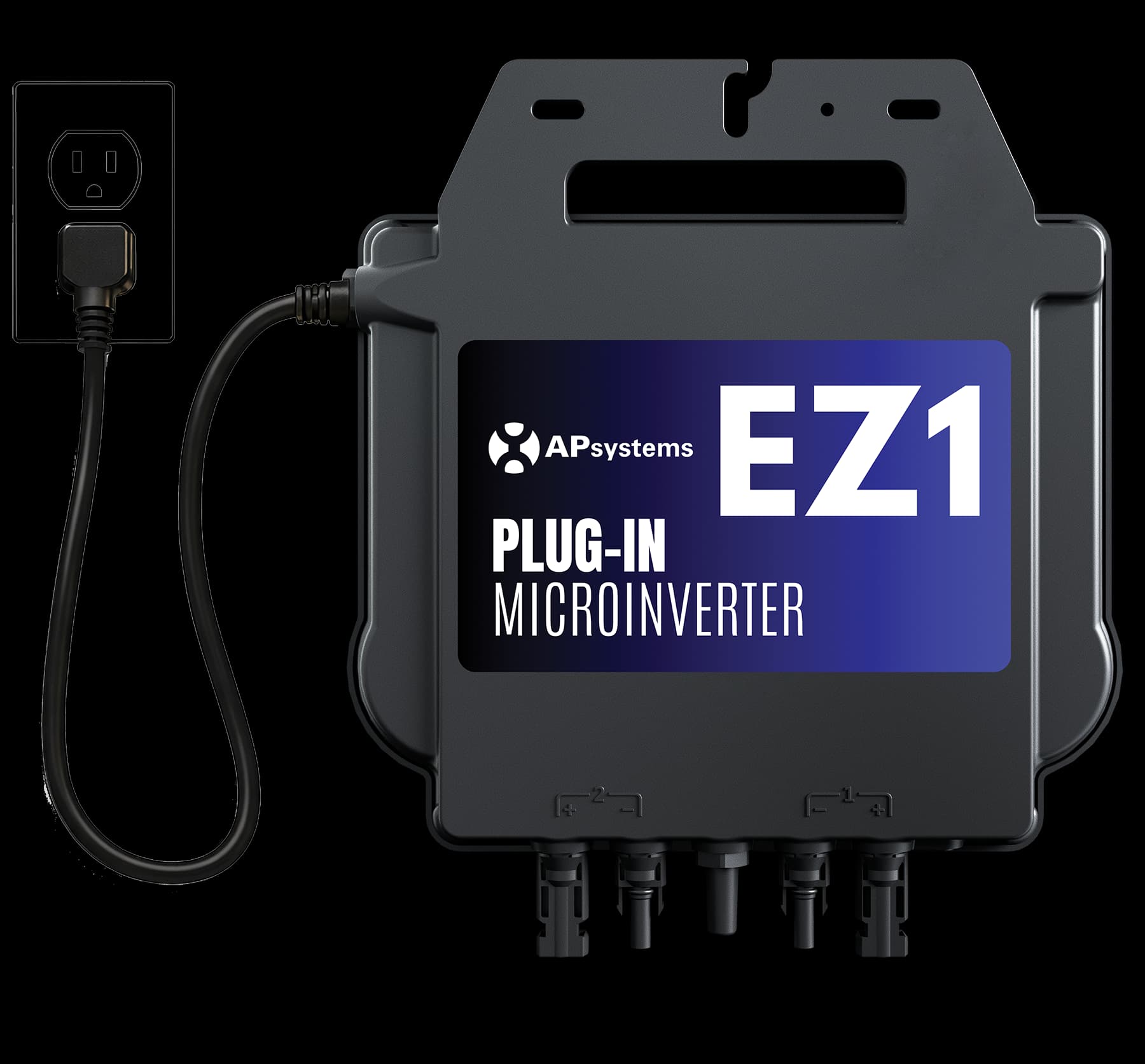
Good for an apartment balcony, a courtyard, or a shaded spot where a larger system wouldn't produce much anyway. APsystems and Hoymiles make solid entry-level options in this range.
The full-system path — up to 1,200W with UL-certified inverter
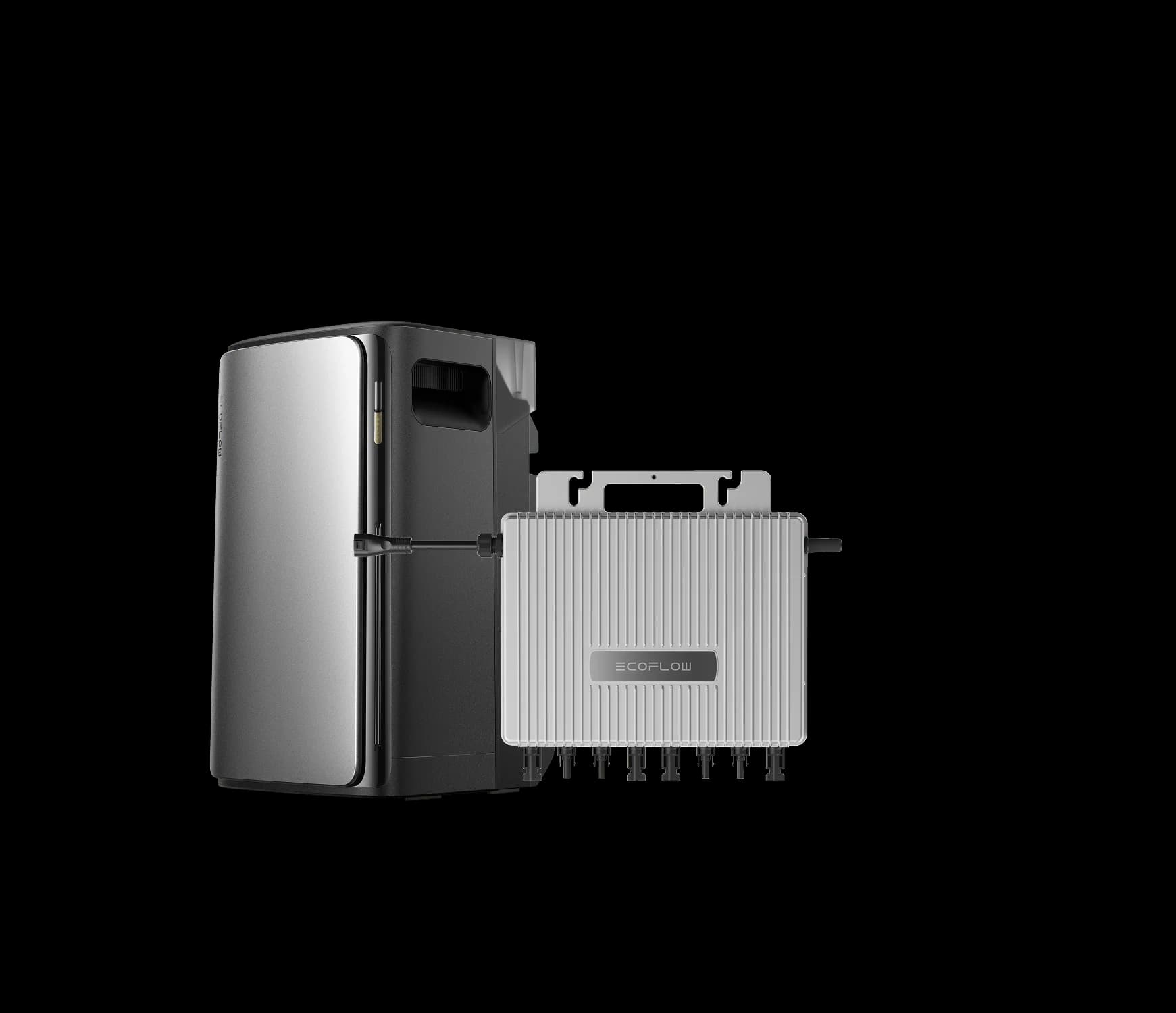
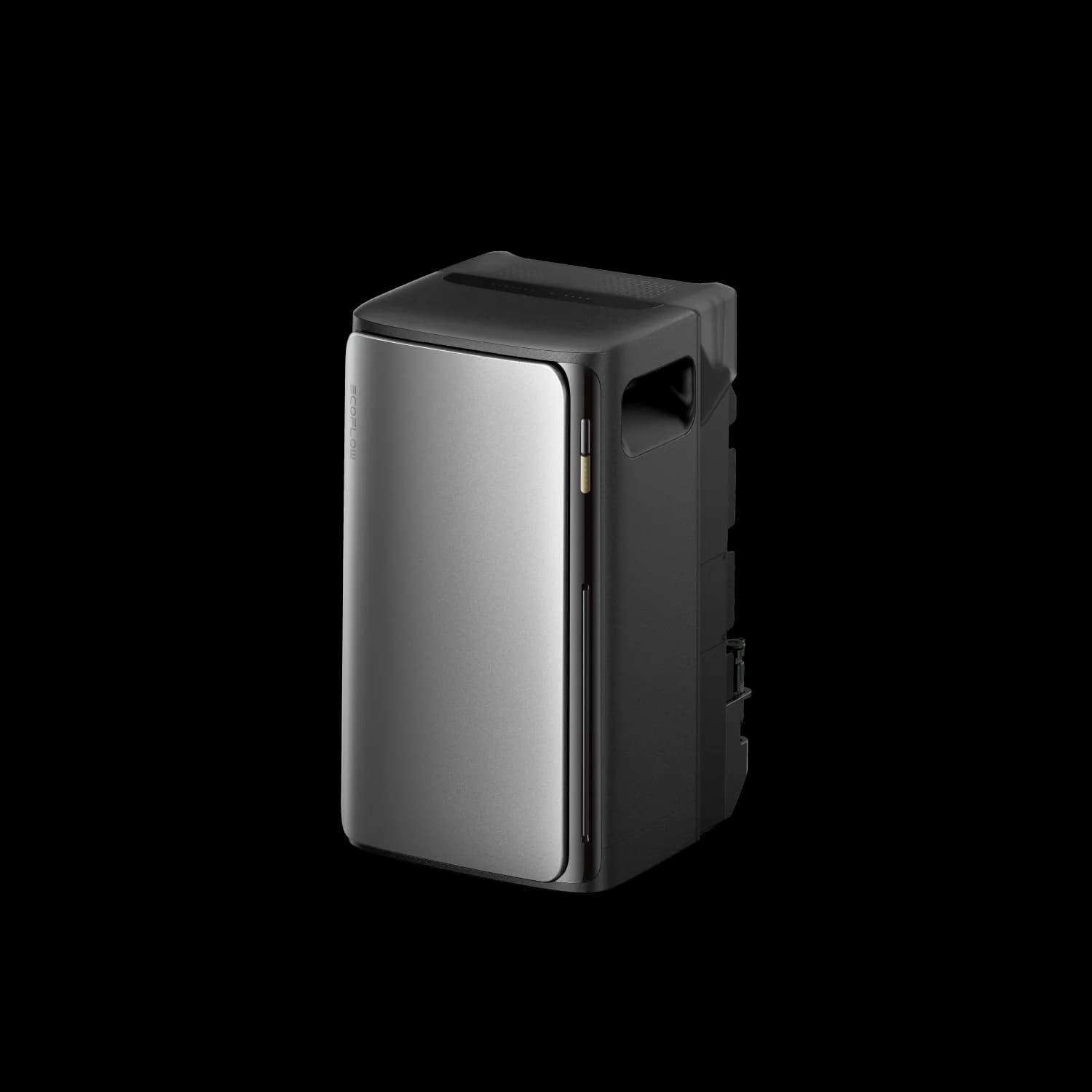
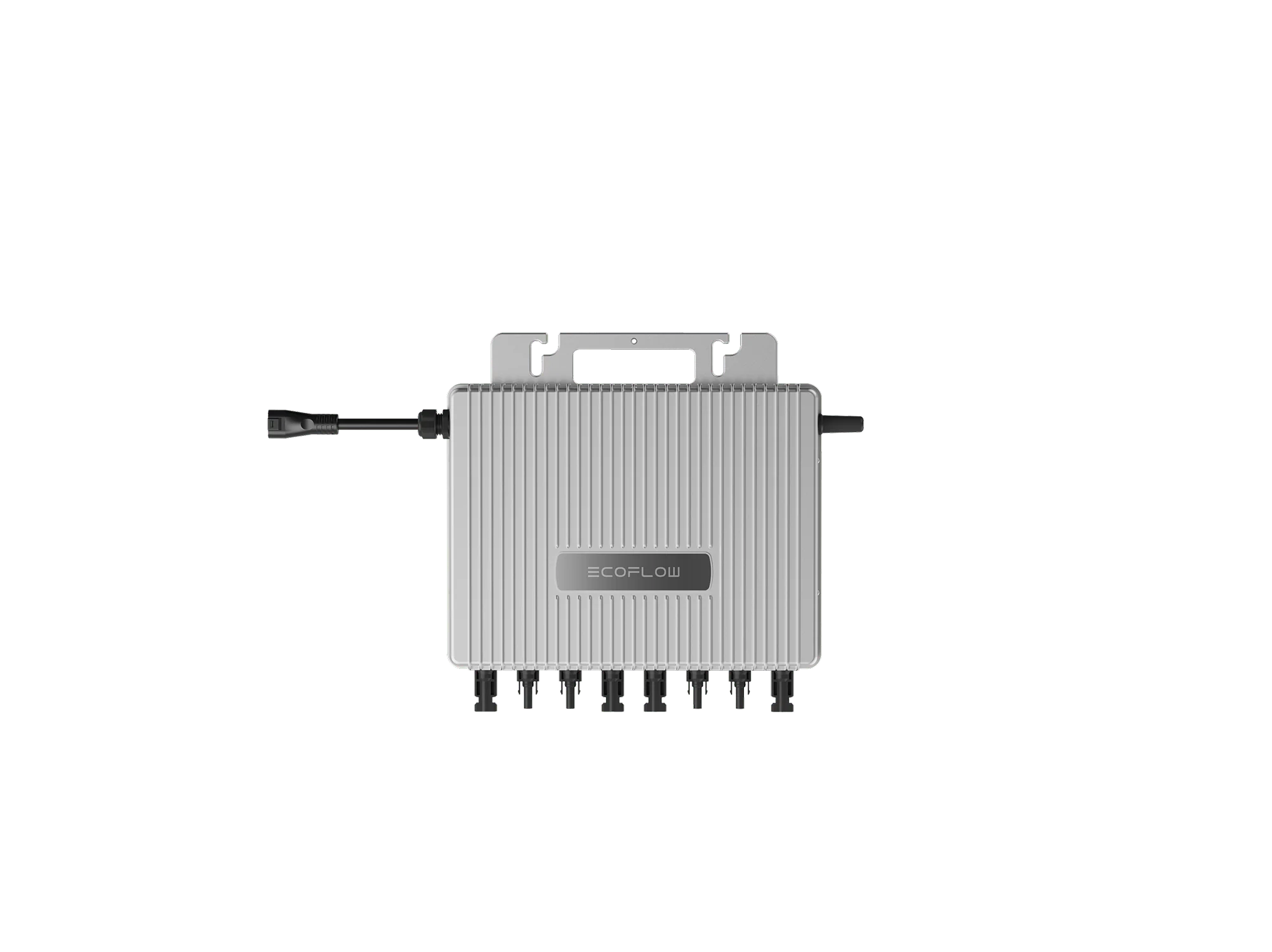
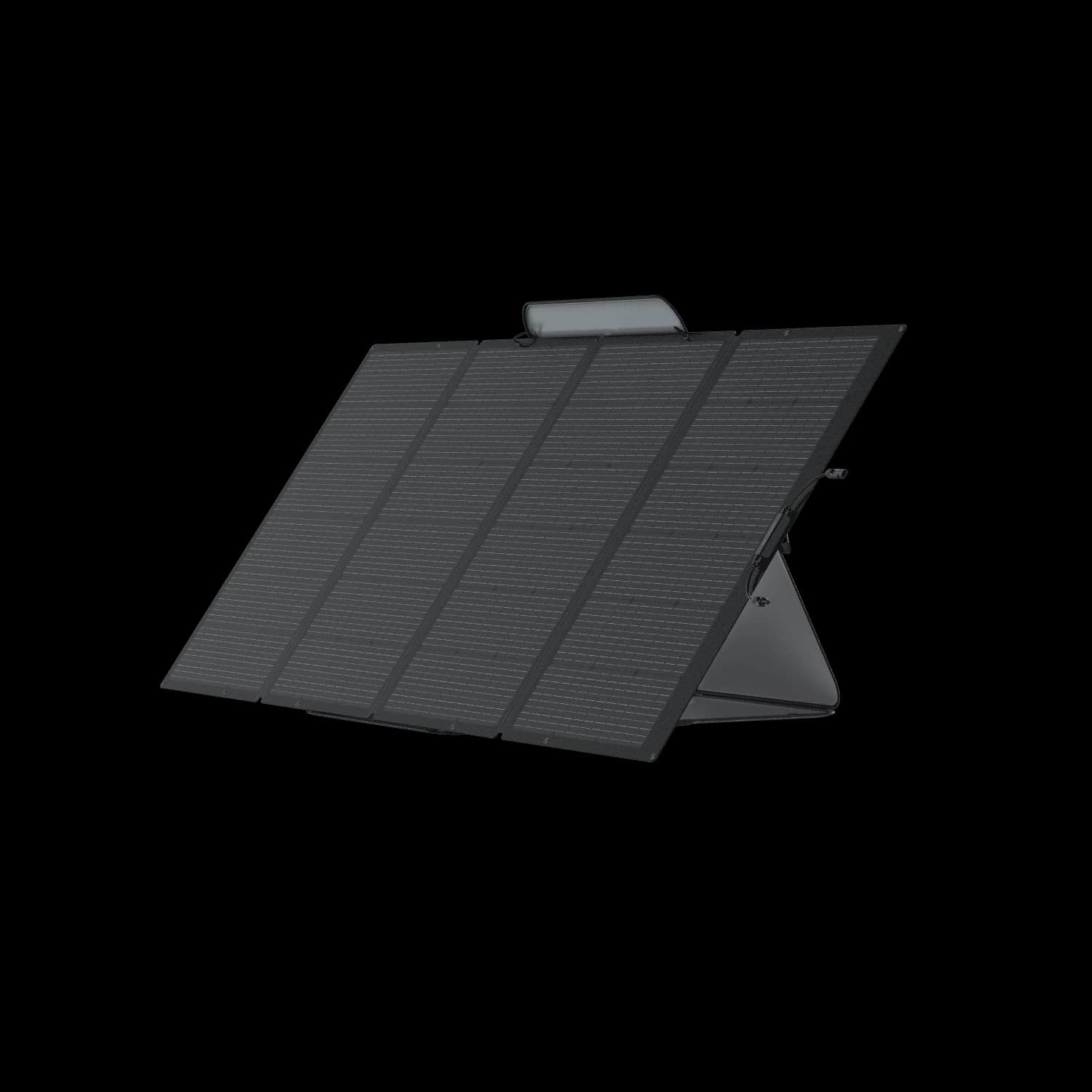
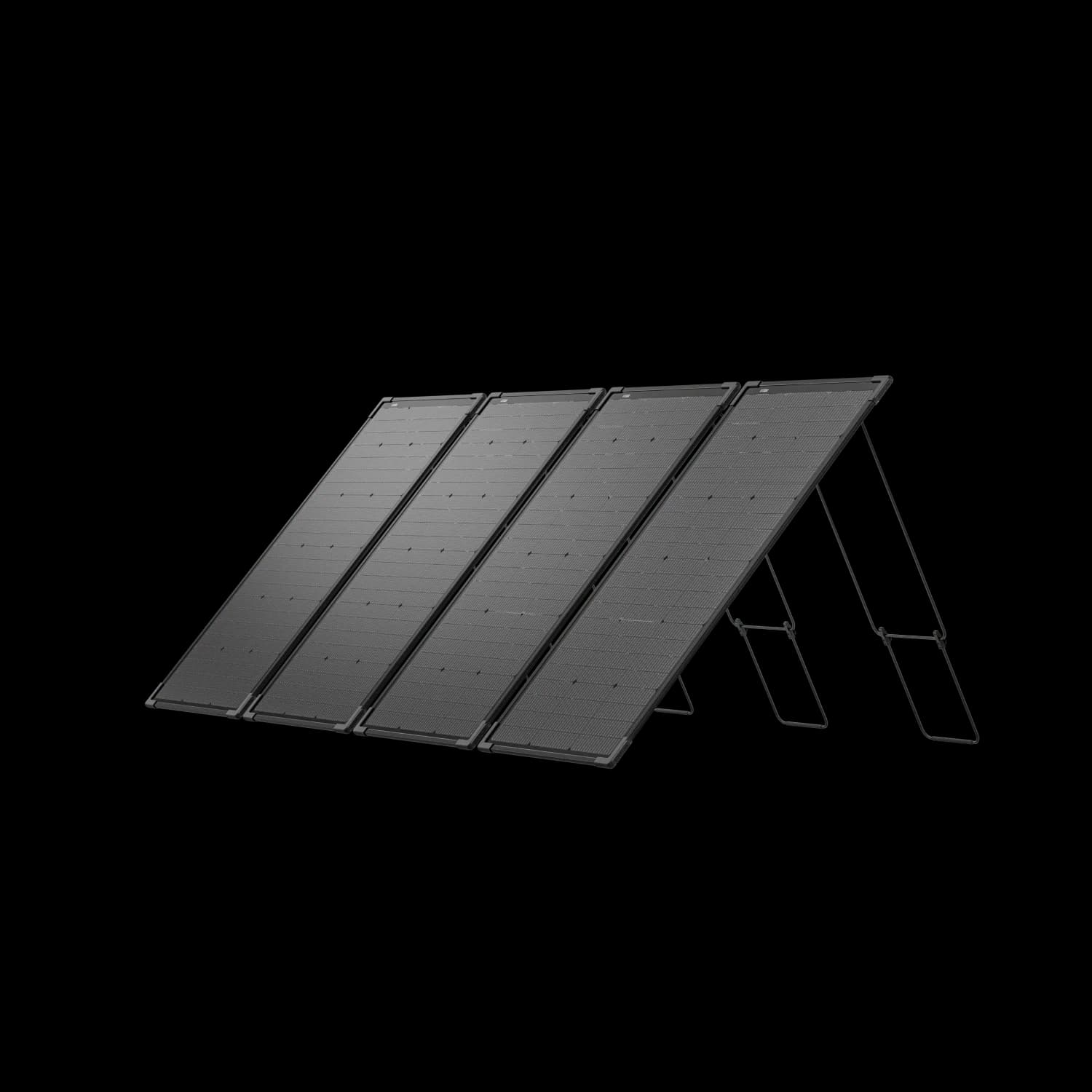
An 800W or 1,200W complete kit from Craftstrom, EcoFlow, or APsystems, with a UL-certified microinverter, mounting hardware, and cables. Annual savings of $240–$350 at Maryland rates. Payback under four years. This is the better long-term value if you have consistent south-facing outdoor space and the upfront budget.
Maryland's 1,200W per-meter cap means there's no point shopping for anything larger. Max out the cap and you're looking at roughly $350 in annual savings, enough to cover a month's electricity bill.
Before you buy, verify your outdoor outlet is on its own circuit or shared only with low-draw devices. A 1,200W system at full output draws about 10 amps, which is fine for a 15-amp circuit but tight if you're sharing with a refrigerator or space heater. Our plug-in solar kit guide → walks through what comes in the box and what you may need to add.
New to plug-in solar? Start with how plug-in solar works →. Maryland's plug-in solar law is on the books. What comes next is finding the right system for your space.
Maryland's average residential rate is 16.47¢ per kWh. Use the calculator to estimate what that rate means for your bill →
We may earn a commission when you purchase through product links below. It doesn't affect the price you pay. Read our full disclosure →
Frequently Asked Questions
Common questions about Maryland's HB 1532 and what it means for residents.
Ready to see how much you could save in Maryland?
Enter your zip code and monthly electricity bill. Our calculator uses real solar data for your location to estimate your annual savings under Maryland's new law.
Last updated: August 1, 2026. We review state regulation information monthly for accuracy.