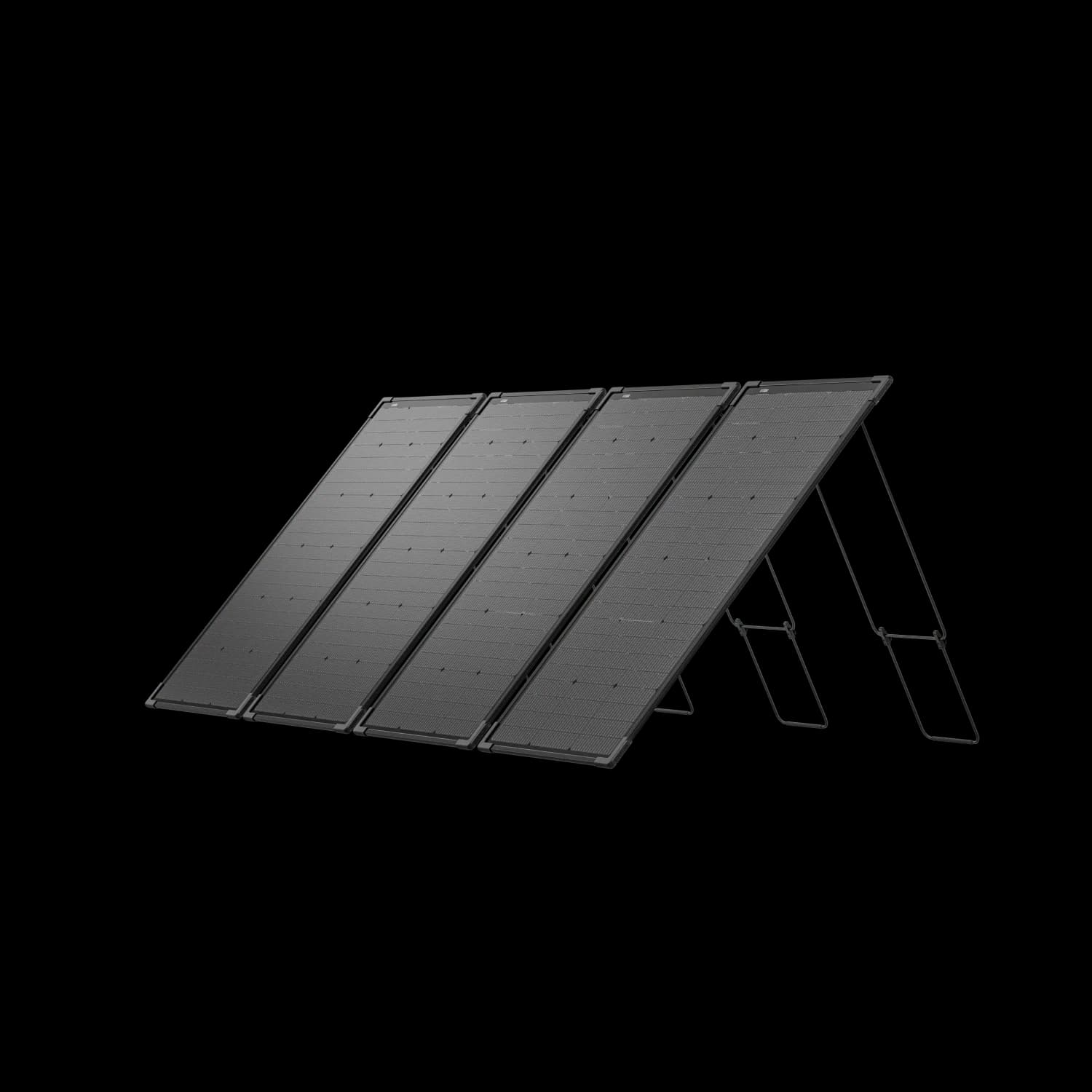
What Is Plug-in Solar and How Does It Work?
Plug-in solar is a self-installed solar system that connects through a standard wall outlet rather than your electrical panel. One to three lightweight panels feed a microinverter, which converts solar power into electricity your home uses instantly. No electrician. No permits in most states.
Five states have passed explicit plug-in solar laws as of May 2026 — Utah, Maine, Virginia, Colorado, and Maryland — and 30 more have introduced similar legislation. For renters and condo owners who've had no path to solar, this format changes that.
What Is Plug-In Solar?
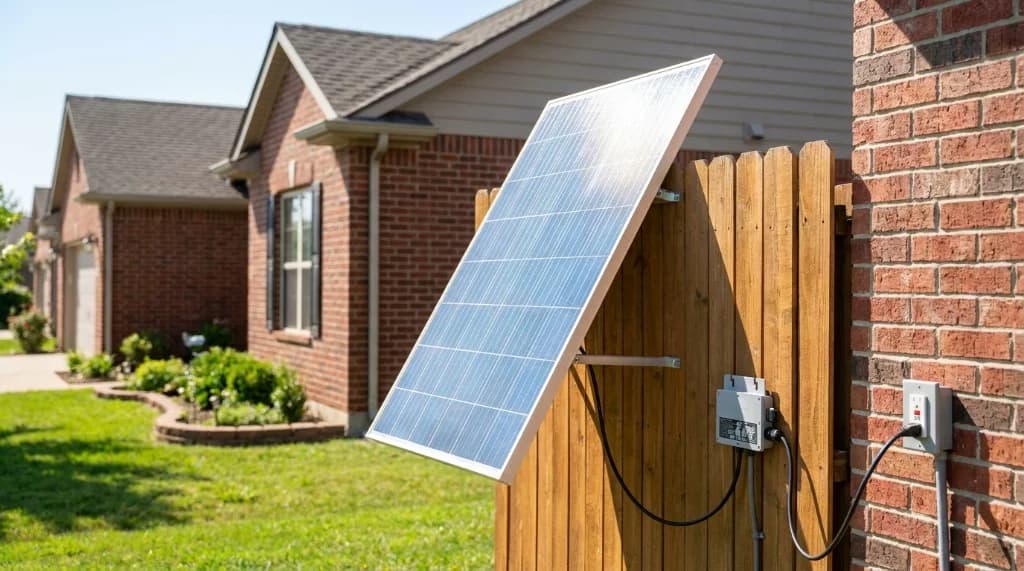
Plug-in solar (also called plug-and-play solar or balcony solar) is a small solar power system — one to three panels paired with a microinverter — that generates AC electricity and connects to your home through a standard outlet. Where local rules allow, it offsets part of your daytime electricity use without permanent wiring, permits, or an electrician.
Think of it as a small power station you set up outside and plug in. Unlike rooftop solar, which permanently replaces a large share of your annual electricity use, plug-in solar is designed to trim part of your bill and give you an accessible entry point into solar energy.
A 400W starter system saves roughly $8–15 per month. An 800W system saves $16–30 per month in most of the country, and more in states with high electricity rates — California residents at $0.25/kWh save $20–30 per month from the same system; at Hawaii's $0.35/kWh rate, that's $28–42. Those numbers won't pay your whole bill, but they add up, and most systems pay for themselves within a few years.
How Does Plug-In Solar Work, Step by Step?
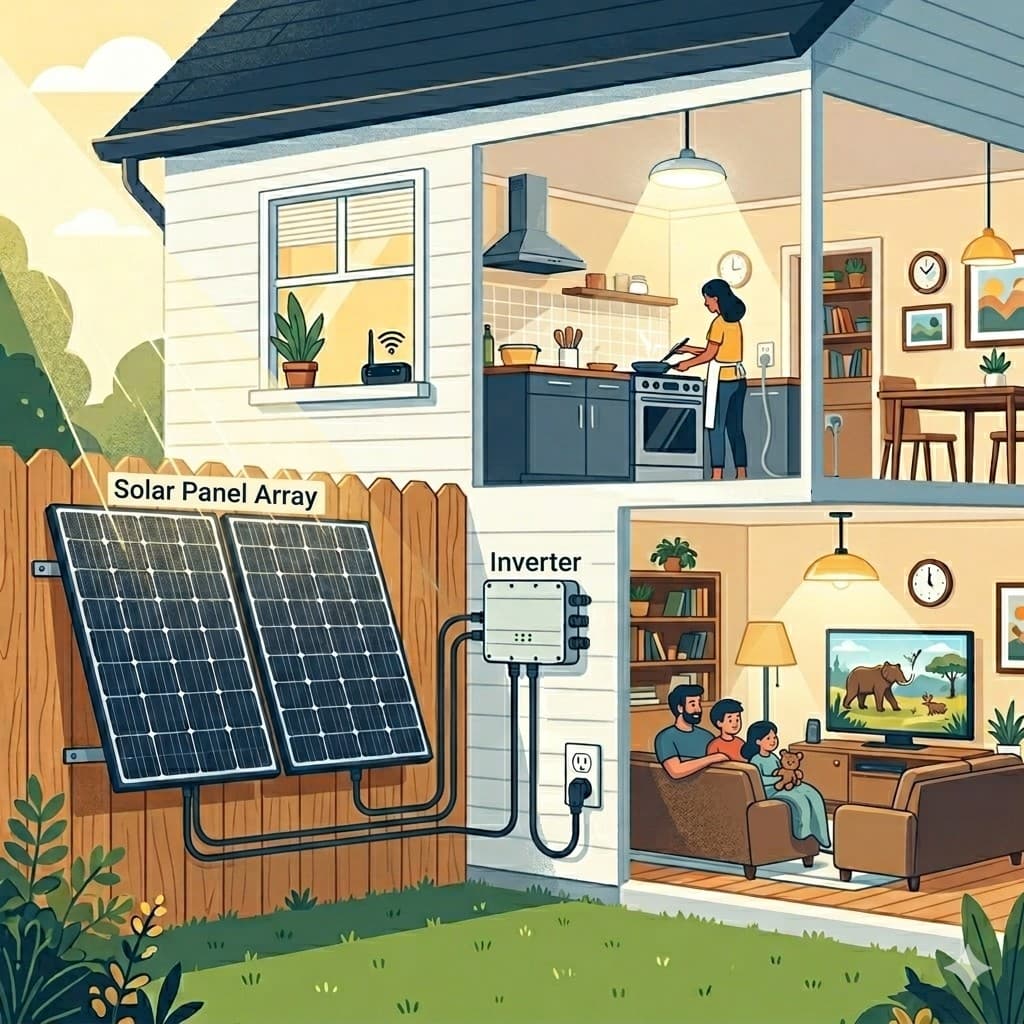
Plug-in solar works by producing DC power at the panel, converting it to grid-matching AC with a microinverter, and feeding that electricity into your home through an approved outlet. Your appliances draw from solar first, which reduces how much electricity you buy from the utility during the day.
- 1
Your panel produces DC electricity
When sunlight hits the solar cells, it knocks electrons loose and creates a direct current (DC). That output isn't constant — cloud cover and sun angle shift it continuously. A 400W panel on a partly cloudy day might produce only 150W.
- 2
The microinverter converts DC to AC
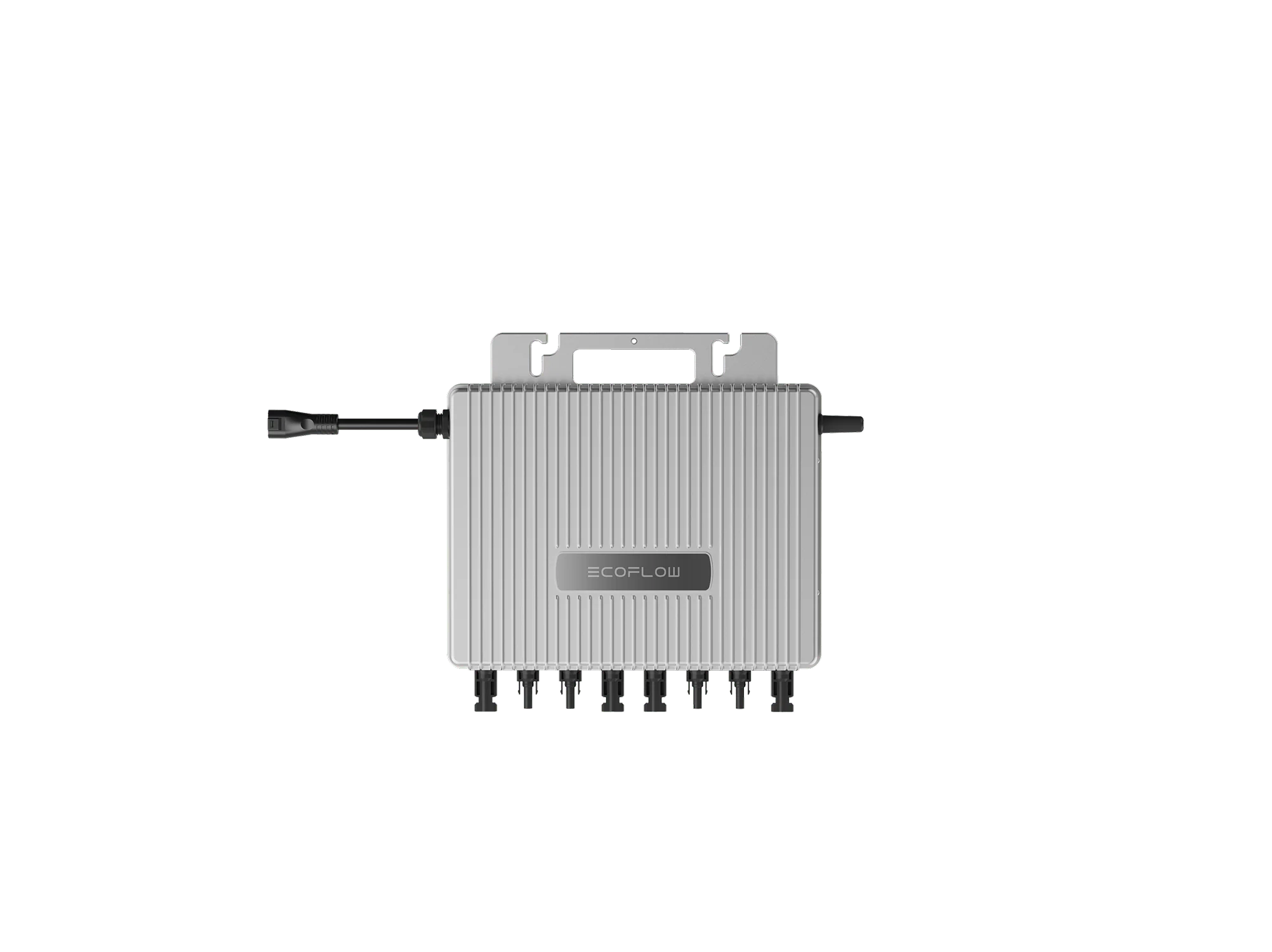
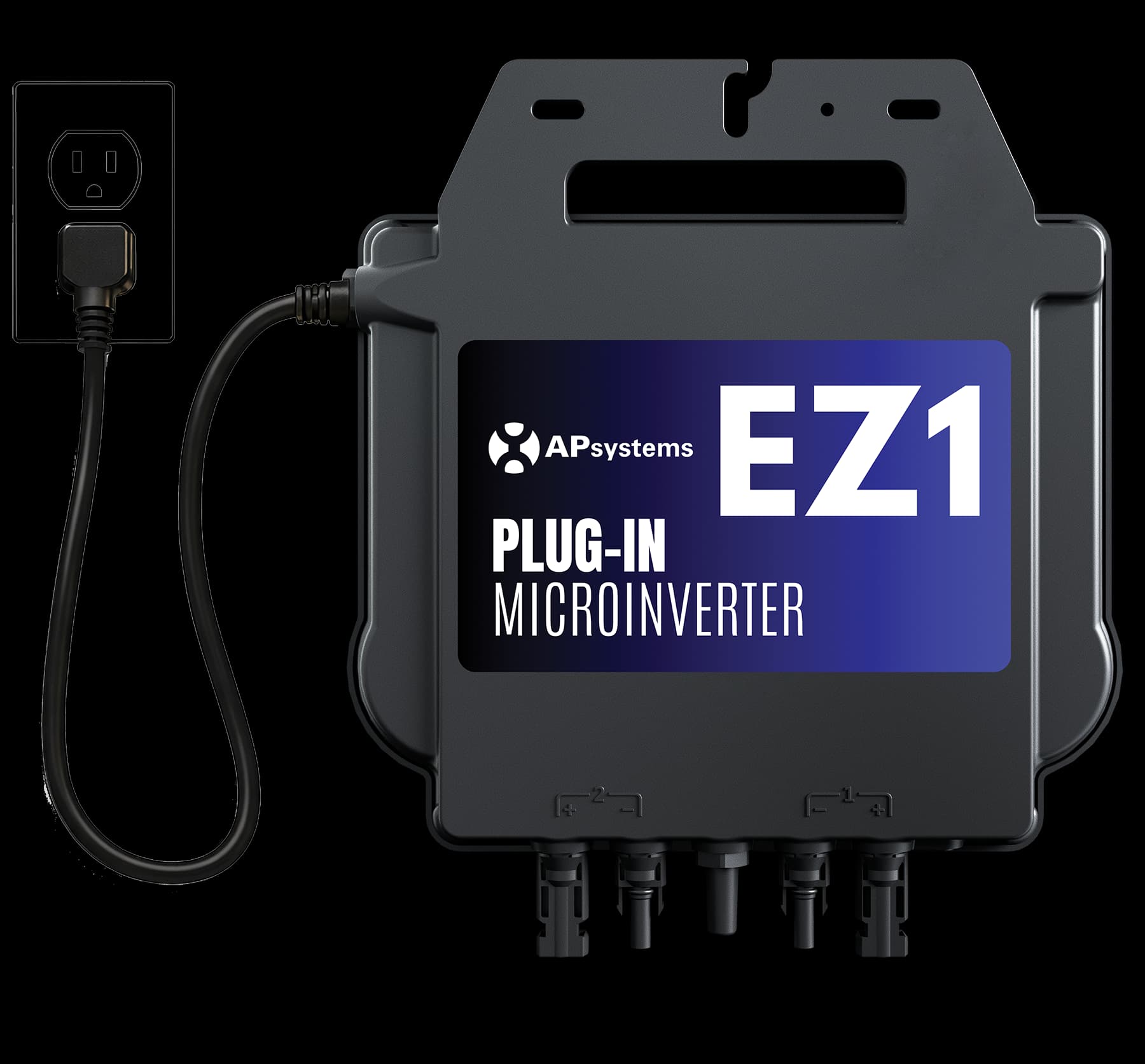
The microinverter mounts behind the panel and transforms DC power into 120V AC electricity that matches your home's current. It synchronizes with the grid before allowing any power to flow, and monitors grid voltage 50 to 60 times per second to detect outages instantly.
- 3
AC electricity enters your home's circuit
The power travels through an AC cable to a certified outdoor outlet, joining the same circuit your appliances already use.
- 4
Your home draws from solar power first
Your appliances automatically pull from the cheapest available source. With the panel running, solar power reduces how much the grid supplies. If your system produces 500W and your home is using 1,500W at that moment, the utility only needs to cover the other 1,000W. Your meter slows down.
- 5
Excess power: real-time only, no storage
Standard plug-in solar has no battery. If your panel produces more than your home is consuming at that moment, the surplus is wasted — there is nowhere for it to go. Some states require zero-export solar configurations that actively prevent any of that surplus from backfeeding onto the grid. This is why location matters: a south-facing balcony that catches full midday sun outperforms a shaded east-facing one, even if both panels carry the same wattage rating. Check your state's export rules →
What's in a Plug-In Solar System?
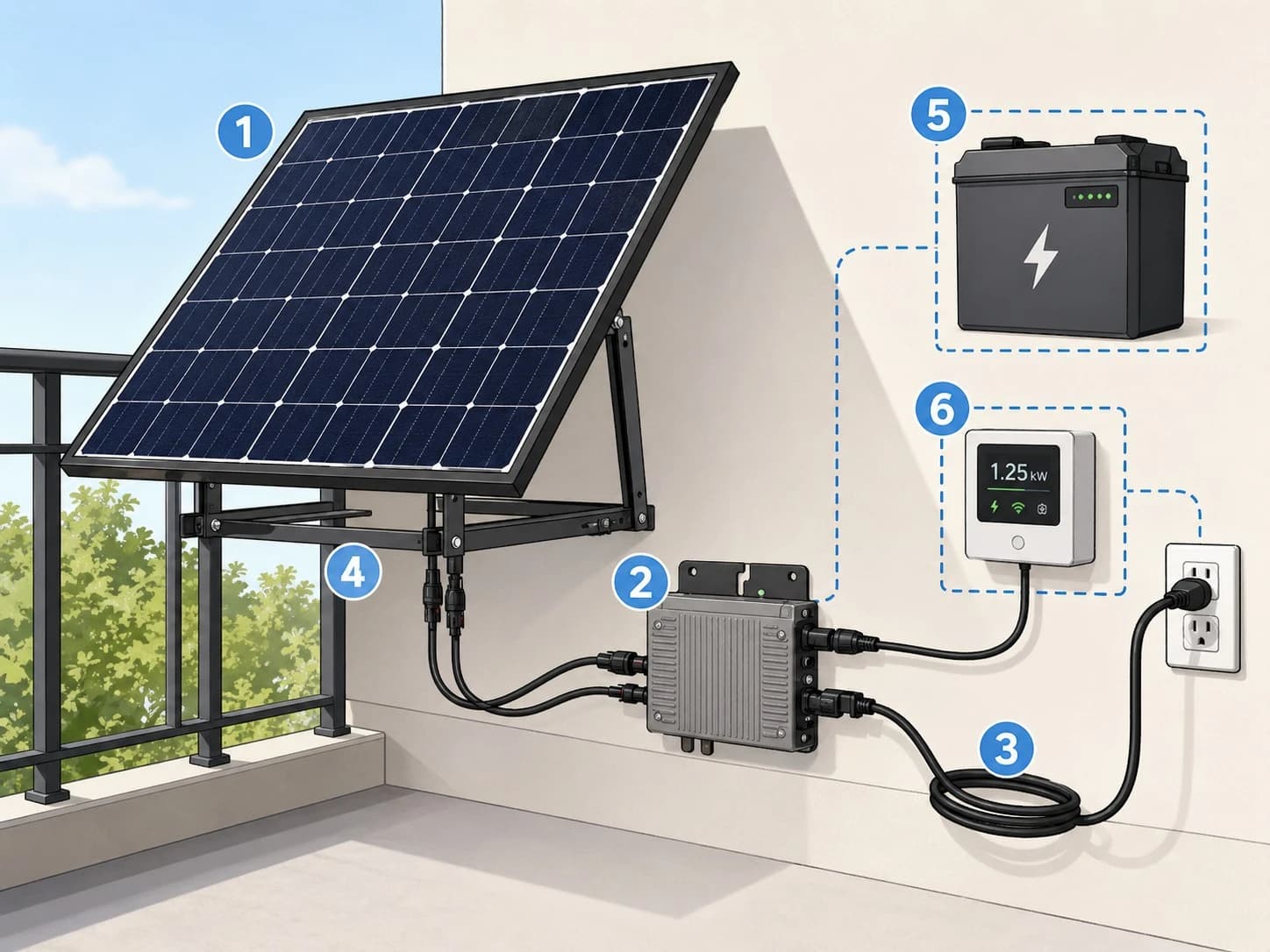
Core components (every system):
- 1
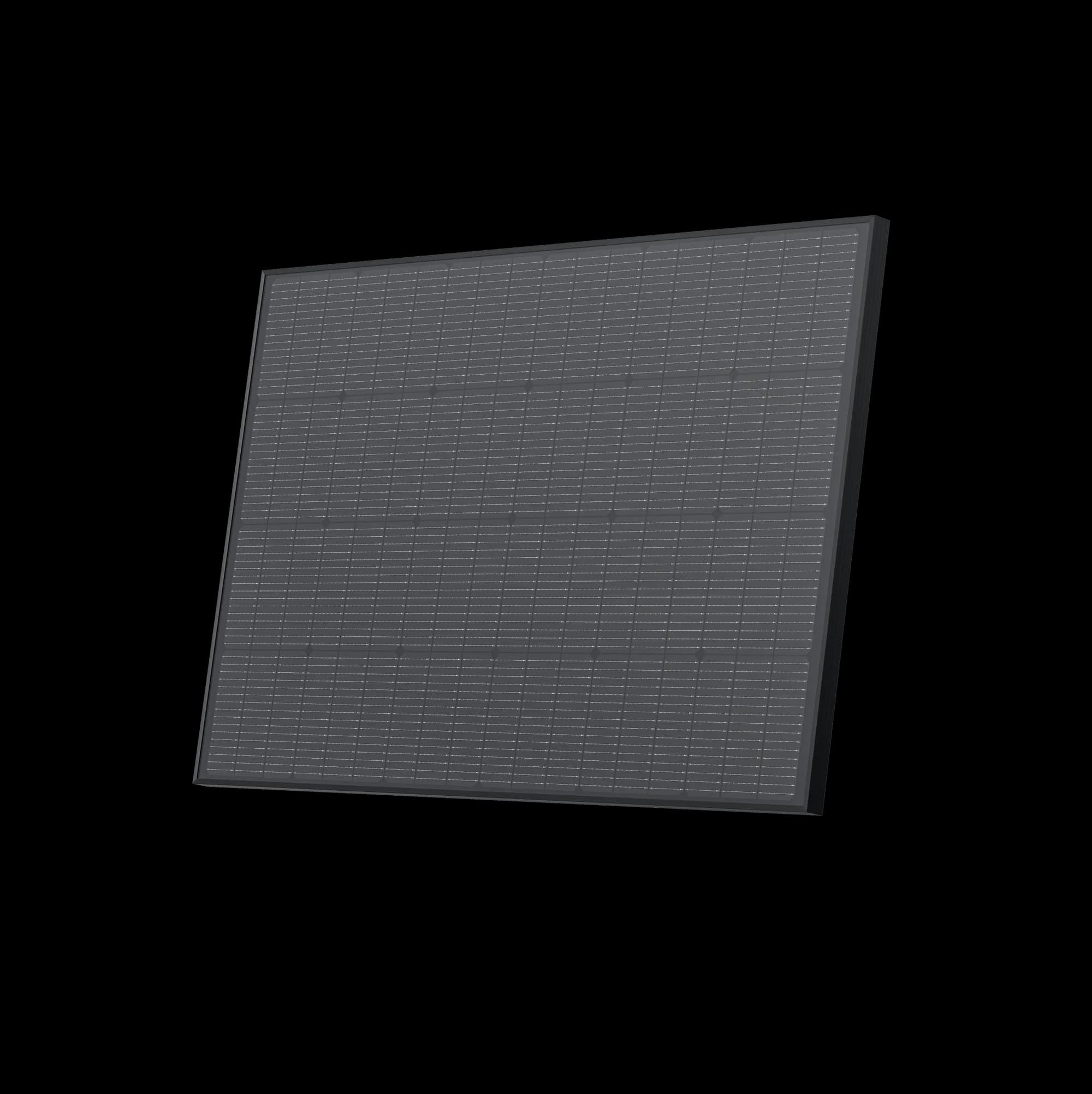
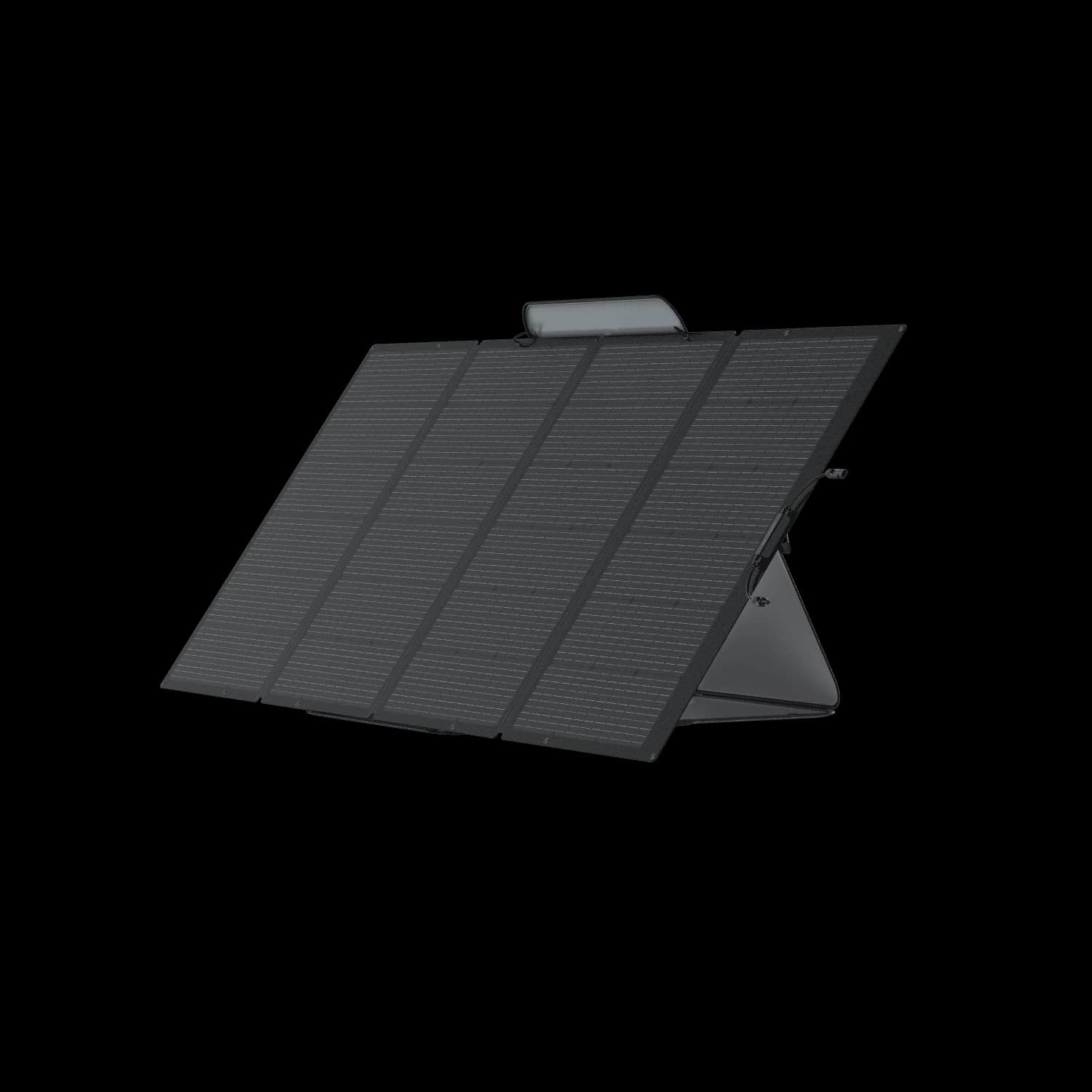
Solar panel ($150–$300 each)
Captures sunlight and produces DC electricity. Most plug-in systems use 1–3 panels ranging from 200W to 600W each. At 8–15 pounds per panel, they mount on a railing, ground stake, or flat surface without drilling.
- 2
Microinverter ($300–$500)
Converts DC to AC at the panel level. Handles anti-islanding shutoff, dead-prong protection, and current limiting. Unlike a central string inverter, a microinverter works panel-by-panel, so one shaded panel doesn't drag down the rest.
- 3
AC power cable
Carries converted electricity from the microinverter to your approved connection point — a standard NEMA 5-15 plug, the same connector as a phone charger.
- 4
Mounting hardware ($50–$150)
Brackets, clamps, or frames that hold the panel on a balcony railing, fence, wall, or ground. Complete kits include all mounting hardware.
Optional components:
- 5
Battery (optional)
Stores solar power for use after dark or during a grid outage when paired with the right inverter. Adds significant cost but extends usefulness beyond daytime hours. Do you need one? →
- 6
Controller or smart meter (optional)
Tracks energy production and usage through a phone app, so you can see exactly how much your system is generating in real time.
The simplest system is a panel, a microinverter, a cable, and a bracket. Complete kits from brands like Craftstrom and EcoFlow include all four in one box — typically 800W, ready to mount on a balcony railing or fence.
How Much Electricity Does Plug-In Solar Produce?
An 800W plug-in solar system in a typical US location produces 80–120 kWh of electricity per month. At the national average electricity rate of $0.18/kWh (EIA residential data, 2025), that saves roughly $16–22 per month. In high-rate states like California ($0.25+/kWh) or Hawaii ($0.35+/kWh), the same system saves $24–42 per month.
Here's how the numbers break down across system sizes:
| System Size | Monthly Output | Est. Monthly Savings | Best For |
|---|---|---|---|
| 400W Starter | 40–60 kWh | $8–15 | Small apartments, first-time buyers |
| 800W Standard | 80–120 kWh | $16–30 (up to $42 in Hawaii) | Most apartments and condos — the most popular size |
| 1200W Plus | 120–180 kWh | $24–45 | Larger homes, higher electricity use |
| 1600W Max | 160–240 kWh | $32–60 | Maximum offset, ample outdoor space |
Output assumes 4–5 peak sun hours per day. Savings calculated at $0.18/kWh (EIA 2025 national average). Actual results vary by location, shading, and season.
At $16–30 per month, an 800W system pays itself back in 3–5 years. It then saves you money for another 20+ years. Use our calculator to see the real numbers for your address →
Is Plug-In Solar Safe to Plug Into a Wall Outlet?
Yes, when you use a certified system. Modern plug-in microinverters include safety controls that handle the specific risks of connecting solar power to a home outlet. The key certification to look for is UL 3700, launched in January 2026 as the first US safety standard written specifically for plug-in solar equipment.
Here's what UL 3700 certification actually requires:
Dead-prong protection
If you unplug the cable while the panel is generating power, the exposed prongs go electrically dead in under one second. No shock risk, even if you touch them immediately after unplugging.
Anti-islanding shutoff
When the grid loses power, your microinverter shuts down automatically within 0.5–2 seconds and stops sending electricity into the circuit. This protects utility workers on lines they believe are dead. Required under IEEE 1547-2018.
Overload protection
The microinverter limits the current on the outlet to safe levels regardless of how much sun the panel receives. NEC Article 705 sets the backfeed limit; UL 3700 requires built-in controls to stay within it.
One more risk worth knowing: In apartments with older wiring, uncertified systems can cause breaker masking, where two power sources on the same circuit overwhelm the breaker's detection. Certified microinverters prevent this with built-in current monitoring. Full apartment wiring safety guide →
How Is Plug-In Solar Different From Rooftop Solar?
| Feature | Plug-In Solar | Rooftop Solar |
|---|---|---|
| Connection | Plug-and-receptacle setup where rules allow | Permanently wired into your electrical panel |
| Typical role | Offsets a portion of daytime electricity use | Covers 60–100% of annual household electricity |
| Installation | About 90 minutes, DIY in most cases | Fixed, requires permits and licensed electrician |
| Best fit | Renters, condos, balconies, first-time buyers | Homeowners with a suitable roof and larger savings goals |
| Cost | $400–$2,200 depending on size and brand | $15,000–$30,000+ installed |
| Approvals | No permits in 5 states; gray zone in 45 | Permits, interconnection agreements, utility approval required |
The biggest difference between the two isn't technical — it's commitment. Rooftop solar is a $15,000–30,000 decision with contractors, permits, and inspection timelines attached. Plug-in solar arrives in a box, takes 90 minutes to set up, and costs $400–$2,200. Most people start here, see what solar actually does to their bill, and decide from there.
Who Is Plug-In Solar Best For?
Most people who buy plug-in solar share a common starting point: they want to cut their electricity bill, but rooftop solar is either out of reach or far more commitment than they're ready for.
Renters and apartment dwellers
You can't put solar on a roof you don't own. But if you have a balcony, patio, or outdoor space, balcony solar gives you access to solar savings that were previously out of reach. It's portable, so you take it when you move — none of your upfront cost gets left behind. How to ask your landlord for permission →
Condo and townhouse owners
If your HOA or condo board makes rooftop changes difficult — or your CC&Rs (the rules your condo association enforces) prohibit permanent modifications — a balcony or patio system is easier to approve because it stays within your private-use area. Several states' plug-in solar laws now explicitly override HOA restrictions.
Homeowners who want to start small
A $600–900 kit is a much lower-risk experiment than a $25,000 rooftop installation. You can see how solar actually performs on your property — accounting for your specific shading, orientation, and seasonal patterns — before committing to something permanent.
People in high-electricity-rate states
In California, Hawaii, New York, or Connecticut, where electricity regularly runs $0.25–0.38/kWh, an 800W system can save $25–45 per month. The payback period drops to 2–3 years — a strong return on a sub-$1,500 investment.
Not the right fit? If you have no outdoor sun exposure, your state hasn't passed enabling legislation, or you need backup power during outages, a portable power station with a solar input panel may serve you better. See the comparison of plug-in solar vs. portable solar generators →
Where Is Plug-In Solar Legal Right Now?
As of May 2026, five states have passed explicit plug-in solar laws requiring no permits and no utility approval for certified systems. Thirty more states have active legislation in progress.
This wave of US legislation follows a playbook that already reshaped one country's energy market. See how Germany's balcony solar boom set the model →
Utah (HB 340): Signed March 2025, effective May 7, 2025. Systems up to 1,200W on 120V outlets. Anti-islanding and UL certification required. No permits needed.
Maine: Signed April 2026, effective July 2026. Similar framework to Utah.
Virginia: Signed April 2026, effective January 2027. Similar rules; overrides some HOA restrictions.
Colorado: Enacted April 2026. Specific wattage and utility notification rules apply.
Maryland: Enacted May 2026. Similar framework with state-specific utility rules.
In the other 45 states, plug-in solar lives in a gray zone. Some utilities allow it informally. Some are hostile. California's SB 868 — the “Plug Into the Sun Act” — is the biggest pending bill. If it passes, it would bring plug-in solar rights to the largest electricity market in the country.
Common Questions About Plug-In Solar
Ready to See What Plug-In Solar Could Save You?
Enter your zip code and monthly electricity bill. Our calculator uses real solar data for your location to estimate your savings.
We may earn a commission when you purchase through these links — it doesn't affect the price you pay. See our full disclosure →
Last updated: May 20, 2026. Information is reviewed quarterly for accuracy on electricity rates, certification standards, and state legislation. Author: Simple Plug-in Solar.