How Utah Became the First State to Legalize Plug-In Solar
In March 2025, Utah passed the country's first law specifically allowing plug-in solar: small panels that connect to a standard wall outlet without utility permits, electricians, or stacks of paperwork. Utah's plug-in solar law, HB 340, didn't just change things for Utah residents. Our state tracker now lists 5 states with enacted frameworks and 4 more with legislation passed but not yet effective. One lawmaker, one newspaper article, and one unanimous vote quietly started a movement.
What Is Utah's Plug-In Solar Law?
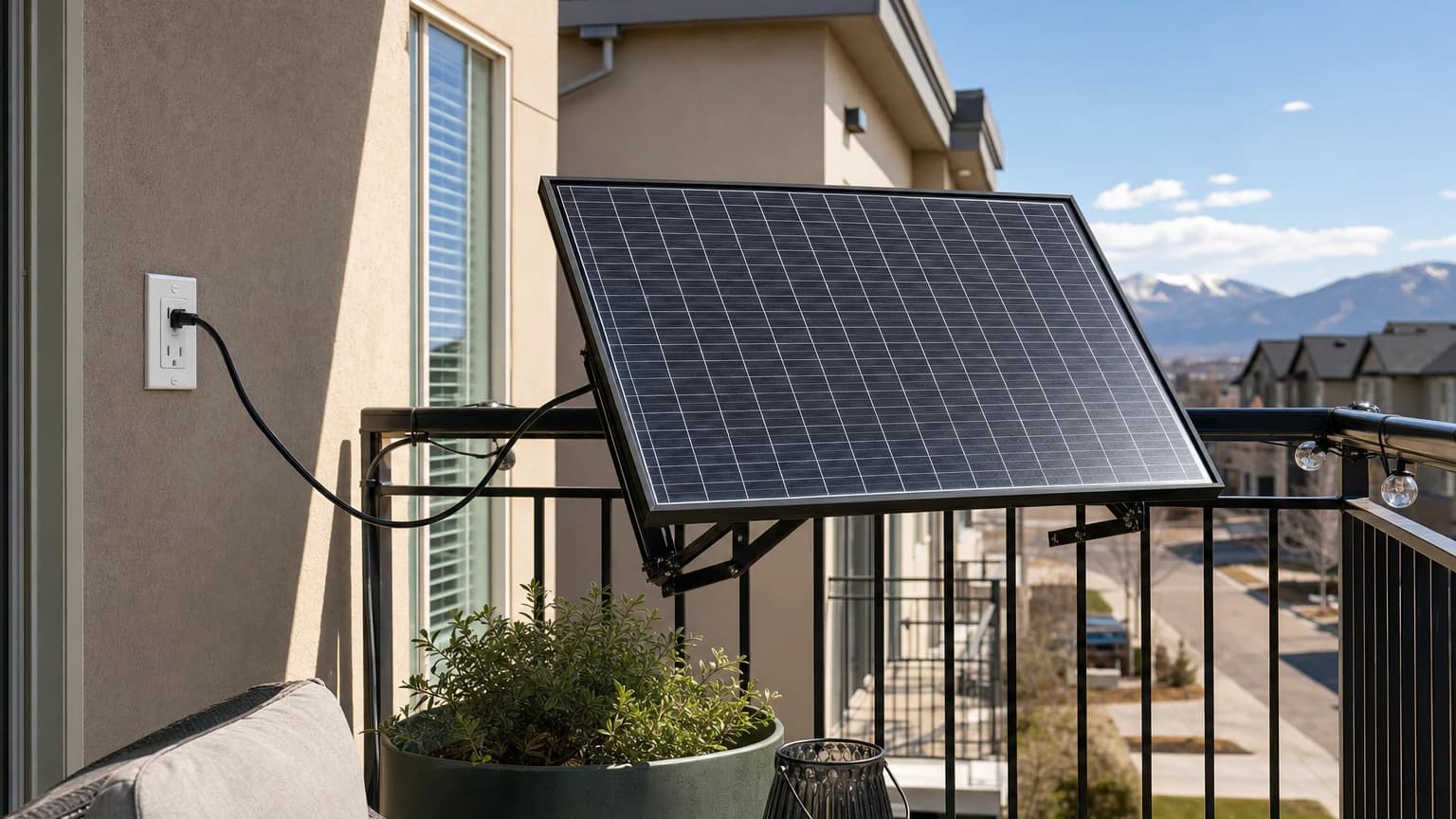
Utah HB 340, signed March 25, 2025, created a new legal category called a "portable solar generation device." Systems under 1,200 watts that connect through a standard outlet and include anti-islanding protection are exempt from utility notification, interconnection agreements, and fees. Utah was the first state in America to pass this kind of law.
The vote was unanimous on both sides of the Utah legislature: 72-0 in the House, 27-0 in the Senate. In a state where clean energy bills routinely stall, HB 340 sailed through because Rep. Raymond Ward framed it as personal energy freedom, not an environmental cause. That framing found no opposition anywhere in the legislature.
A Utah Lawmaker Read a Newspaper Article — and Changed American Energy Policy
That's the actual origin of Utah's law.
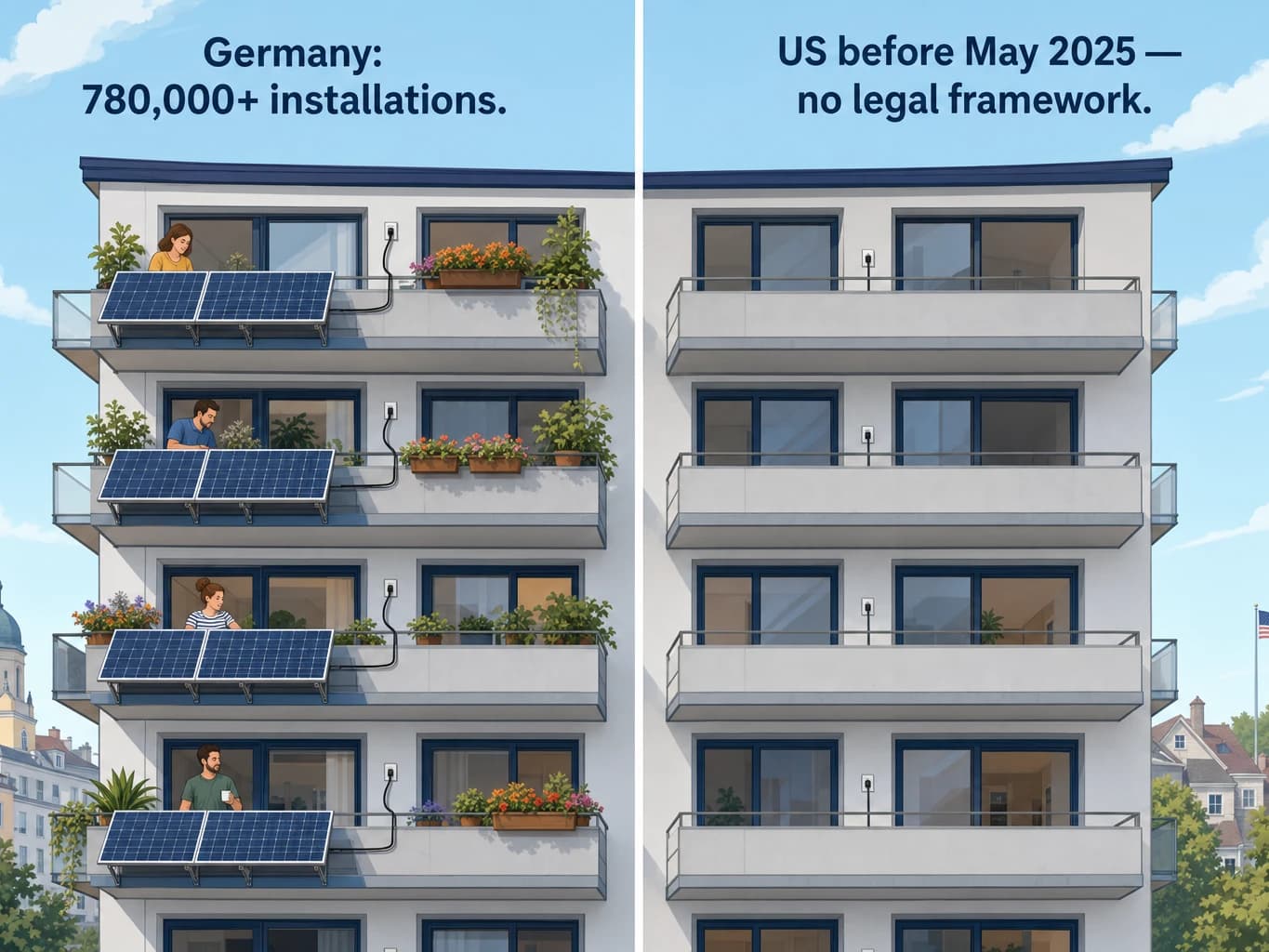
Rep. Raymond Ward, a Republican state legislator, came across a New York Times article about Germany's balcony solar boom. In Germany, millions of renters had started hanging solar panels over their balcony railings and plugging them into standard outlets. After Russia's invasion of Ukraine sent energy prices spiking, balcony panels added roughly 10% of Germany's new solar capacity in just a few months, without a permit, utility application, or electrician required. Germany now has more than 780,000 balcony solar installations.
Ward figured Utah residents deserved the same option. He introduced HB 340 in January 2025.
What happened next was unusual for anything involving clean energy: the bill passed unanimously. Governor Spencer Cox signed it on March 25, 2025, and the Utah plug-in solar law took effect May 7, 2025.
The bill wasn't framed as an environmental bill. Ward pitched it as personal energy freedom: the right to generate your own electricity without asking a utility company for permission. That framing found no opposition anywhere in the legislature. To understand how plug-in solar works at a technical level, see our plug-in solar explainer.
What Does Utah's Plug-In Solar Law (HB 340) Actually Say?
Utah's HB 340 creates a new legal category called a "portable solar generation device." If your system fits the definition, you're completely exempt from the standard interconnection process that applies to rooftop solar. No utility application, no approval wait, no fees.
To qualify, a system must meet four requirements:
Maximum output of 1,200 watts AC
This covers Starter 400W, Standard 800W, and Plus 1,200W system sizes. A 1,600W setup would fall outside the exemption.
Connect through a standard 120-volt outlet
The same kind your phone charger uses. No dedicated circuit required.
Anti-islanding protection
Built-in circuitry that shuts the system off automatically if the power grid goes down, preventing your panels from backfeeding electricity into lines that utility workers think are de-energized.
Meet National Electrical Code (NEC) and UL certification standards
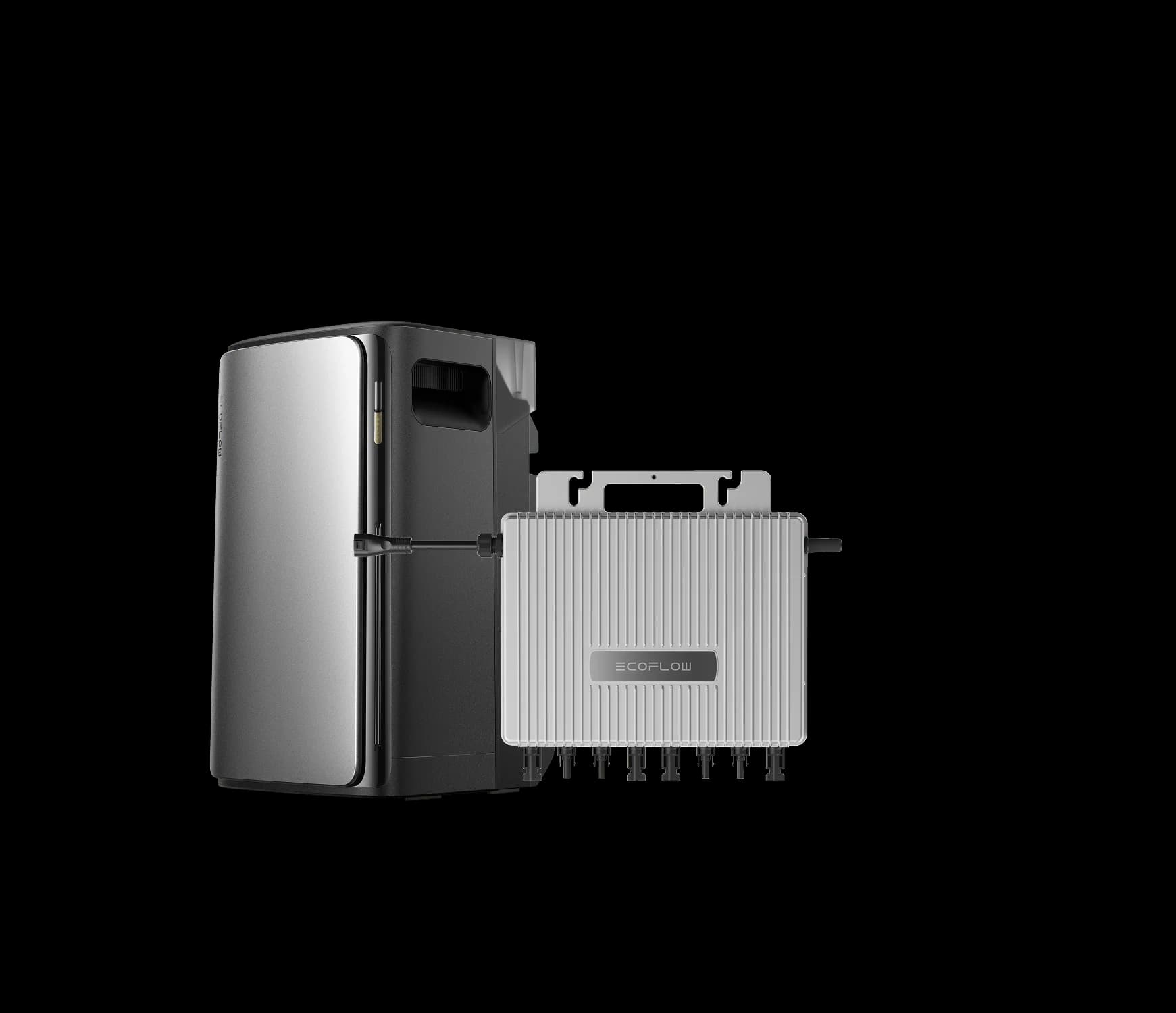
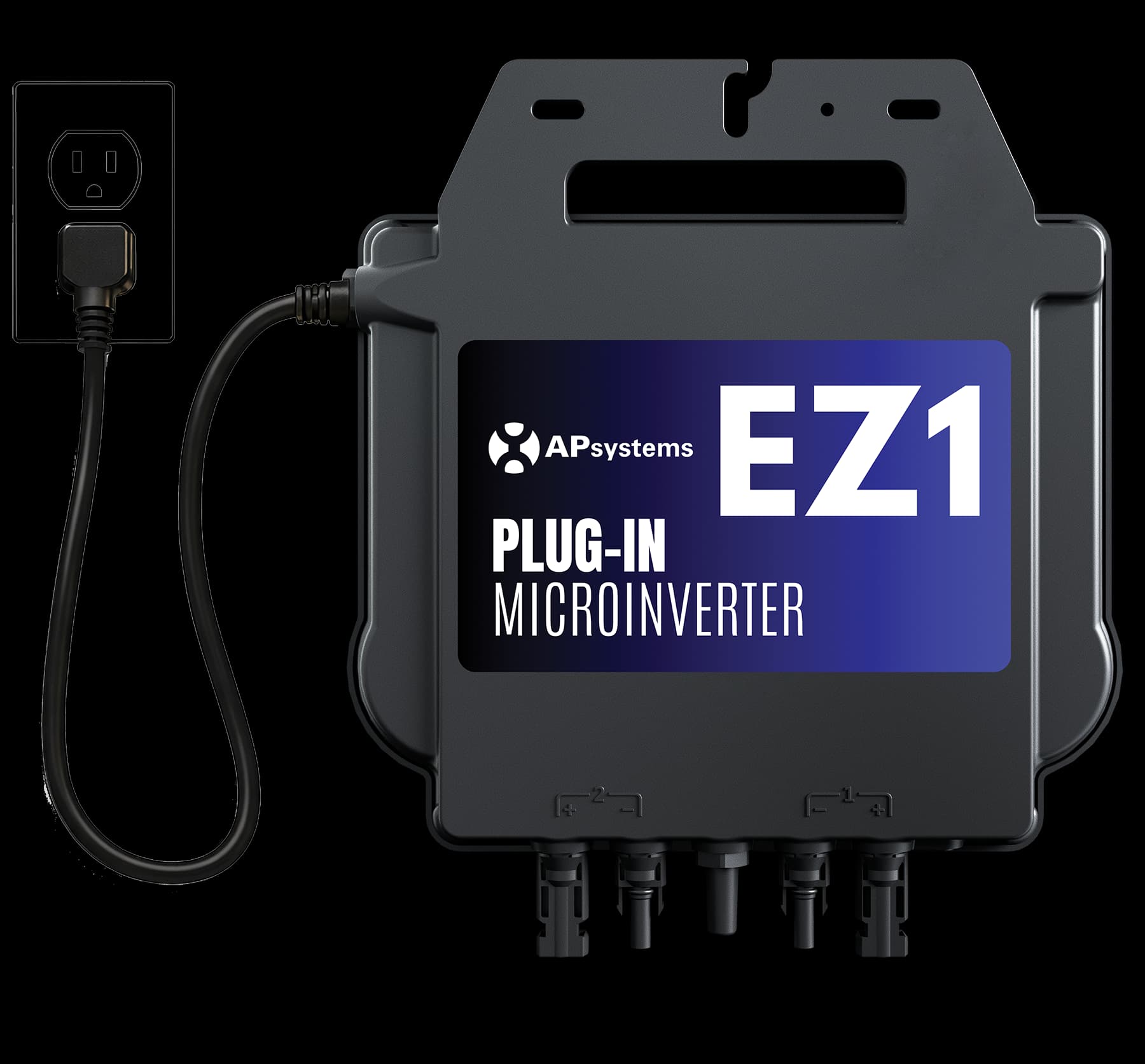
A UL 1741 SB-certified microinverter satisfies this requirement today. The APsystems EZ1 is now UL 3700-certified, with more brands expected to follow.
Two things the law does NOT do:
The law doesn't qualify your system for net metering. Under HB 340, you can't earn credits for electricity your panels send back to the grid. Your savings come entirely from electricity you use in real time: your panels generate power, your appliances use it, and your meter runs slower. Any surplus goes back to the grid without compensation.
It also doesn't cover systems over 1,200W. A two-panel 1,600W setup falls outside HB 340's exemption and requires standard interconnection.
Want to see what you'd save within Utah's 1,200W cap? Try our free savings calculator →
The One Catch: Where Product Certification Stands Today
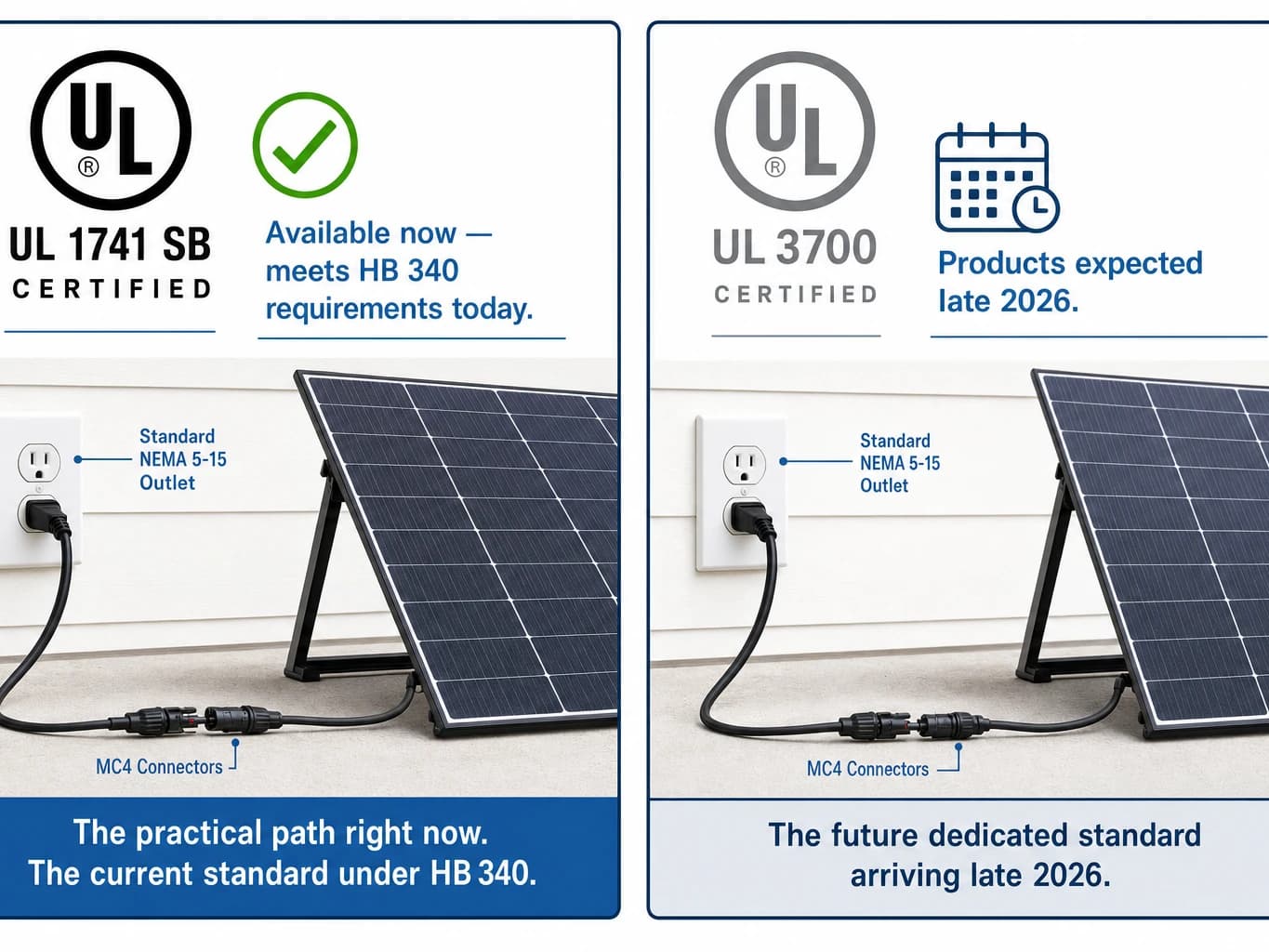
Under Utah's plug-in solar law, compliant products are available today. UL 3700, the new dedicated plug-in solar safety standard, launched in January 2026, after HB 340 passed. Systems with a UL 1741 SB-certified microinverter are HB 340-compliant right now, and the APsystems EZ1 became the first UL 3700-certified microinverter in July 2026.
When HB 340 passed in March 2025, no dedicated US certification standard for plug-in solar existed. Utah's law was the first time Underwriters Laboratories had been asked to test plug-in solar systems as a product category. That pushed UL to build one. On January 8, 2026, UL launched UL 3700, the first US safety standard built specifically for plug-in solar. You can read the full breakdown in our UL 3700 explainer.
UL 1741 SB-certified systems — available now
Meet HB 340's requirements. This is the existing standard for grid-tied inverters and includes the anti-islanding protection the law requires. Enphase and other established brands make qualifying models at $300–$400.
UL 3700-certified products — available now
The new dedicated standard for plug-in solar. The APsystems EZ1 became the first UL 3700-certified microinverter in July 2026, and Hoymiles has announced a UL 3700-compliant HiFlow Pro.
Rocky Mountain Power raised concerns in 2025 that some products reaching the market didn't fully meet HB 340's technical requirements, so verify certification before buying. For a deeper look at what microinverters do and why certification matters, see our microinverter guide.
How Utah's Plug-In Solar Law Sparked a 30-State Movement
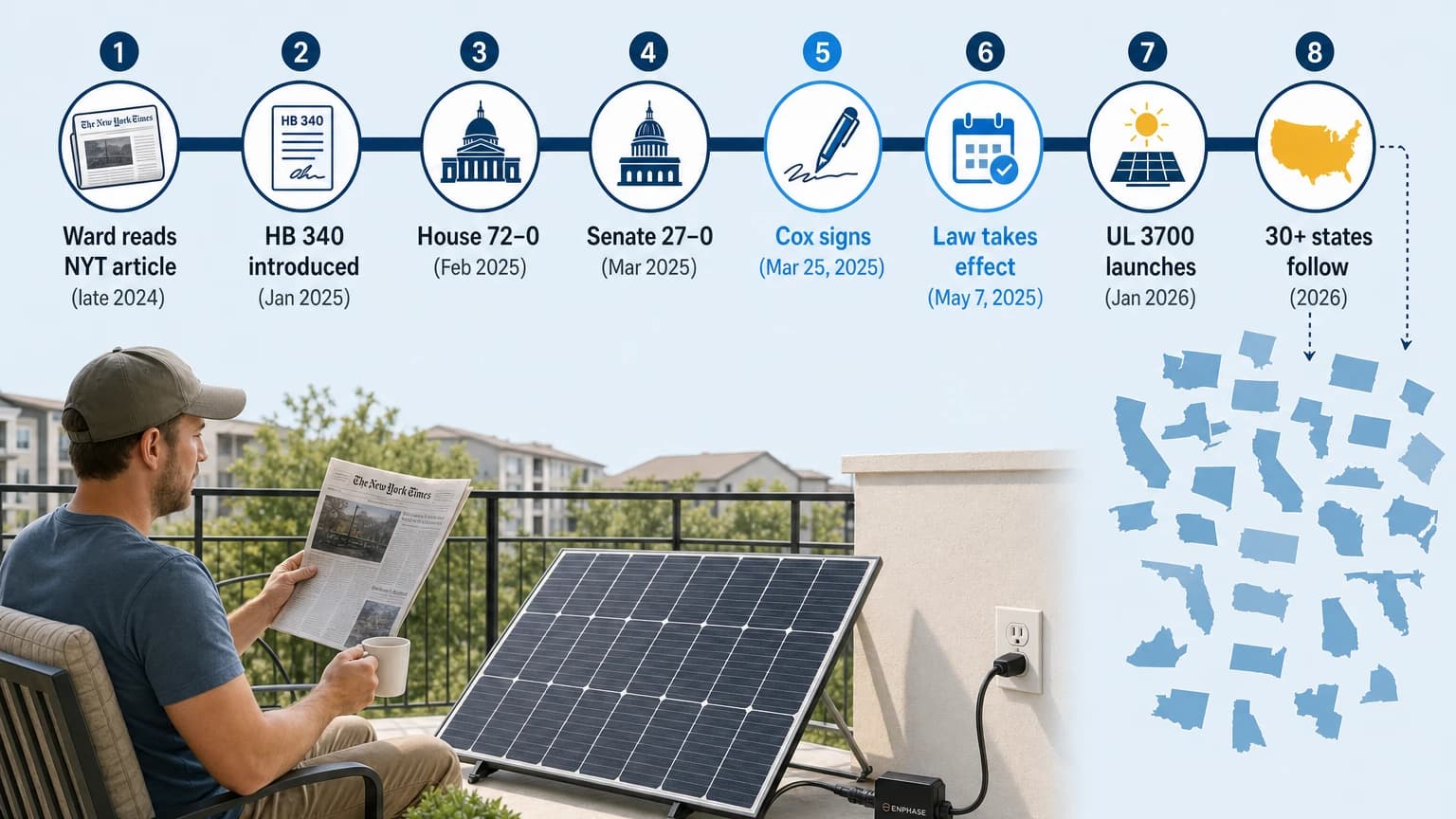
HB 340 triggered a policy cascade. By early 2026, more than 30 states plus Washington D.C. had introduced similar bills, making Utah's law the most widely copied state energy bill of the year. Virginia became the second state to enact a plug-in solar law (April 2026, effective January 2027), followed by Maine a few weeks later. Then came Colorado, with the most ambitious version yet (a 1,920-watt cap), while New York's SUNNY Act cleared its legislature and awaits the Governor's signature. Washington came closest without success, losing its plug-in solar provisions to a Senate amendment in early 2026.
The reason so many states moved so fast: HB 340 was short, clear, and easy to copy. A legislator in another state could read Ward's bill in ten minutes and hand it to a drafter. Bright Saver, a nonprofit tracking plug-in solar legislation across the country, reported that their advocacy conversations shifted from explaining what plug-in solar was to helping state offices understand what Utah had done and why it worked.
Here's where the first wave of enacted laws stands:
| State | Status | Wattage cap | Net metering | Effective date |
|---|---|---|---|---|
| Utah (HB 340) | Enacted | 1,200W | No | May 7, 2025 |
| Virginia (SB 250) | Enacted | 1,200W | No | January 2027 |
| Maine | Enacted | 1,200W | No | July 2026 |
| Colorado (HB 26-1007) | Signed | 1,920W | TBD | August 12, 2026 |
| Maryland | Passed legislature | TBD | TBD | Pending |
Colorado's version stands out: at 1,920W, it allows 60% more capacity than Utah's cap. A three-panel system becomes possible without any utility paperwork. For the full state-by-state plug-in solar status →
What Utah Residents Can Do Right Now
Utah's plug-in solar law has been in effect since May 2025. There's no utility permission to get, no building permit to pull. Four things stand between you and a working system:
1. A certified microinverter
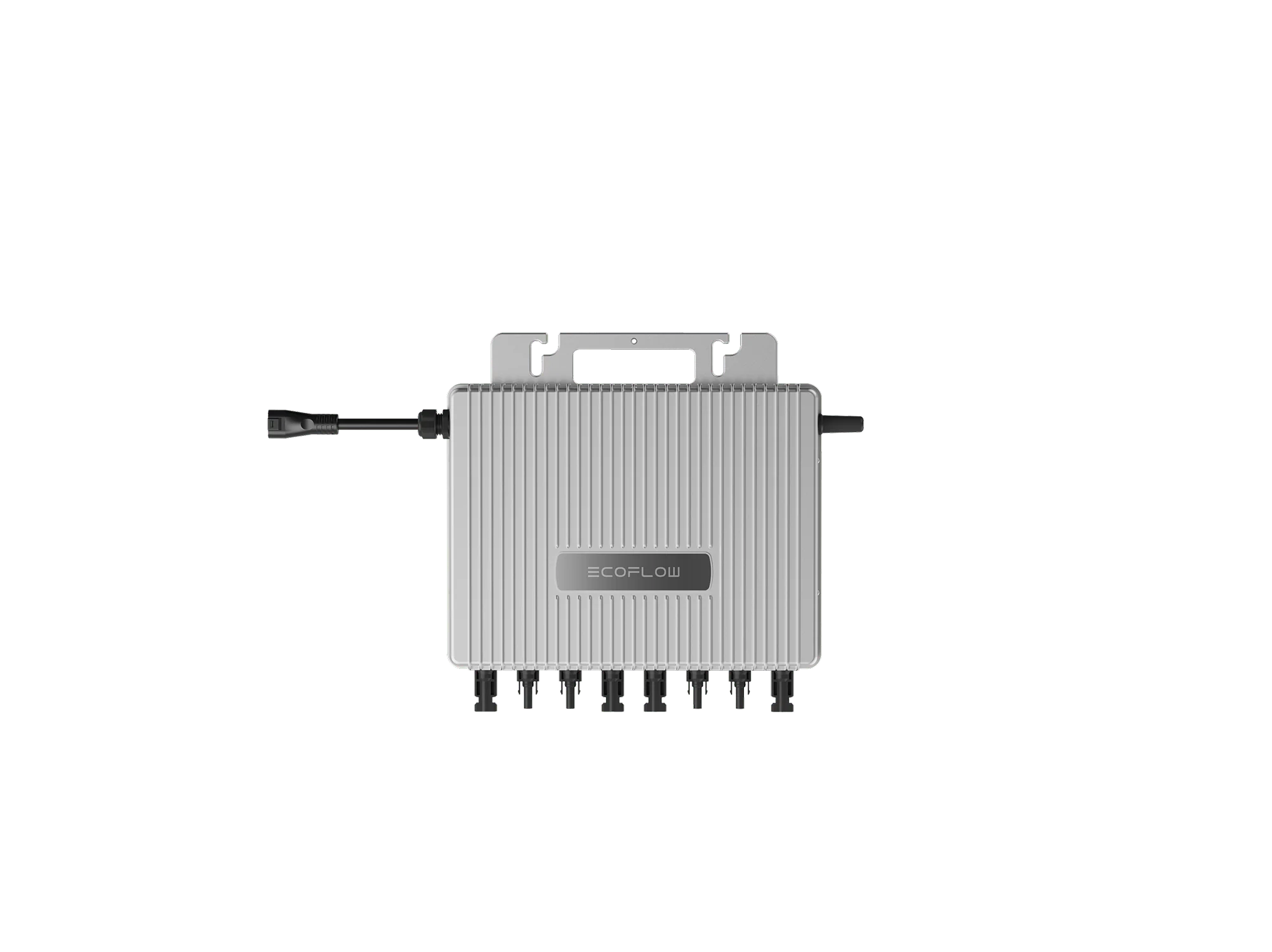
This converts your panel's DC power to the AC electricity your home runs on. It must be UL 1741 SB certified, which proves it has the anti-islanding protection HB 340 requires. APsystems and Hoymiles both make qualifying models in the $300–$400 range.
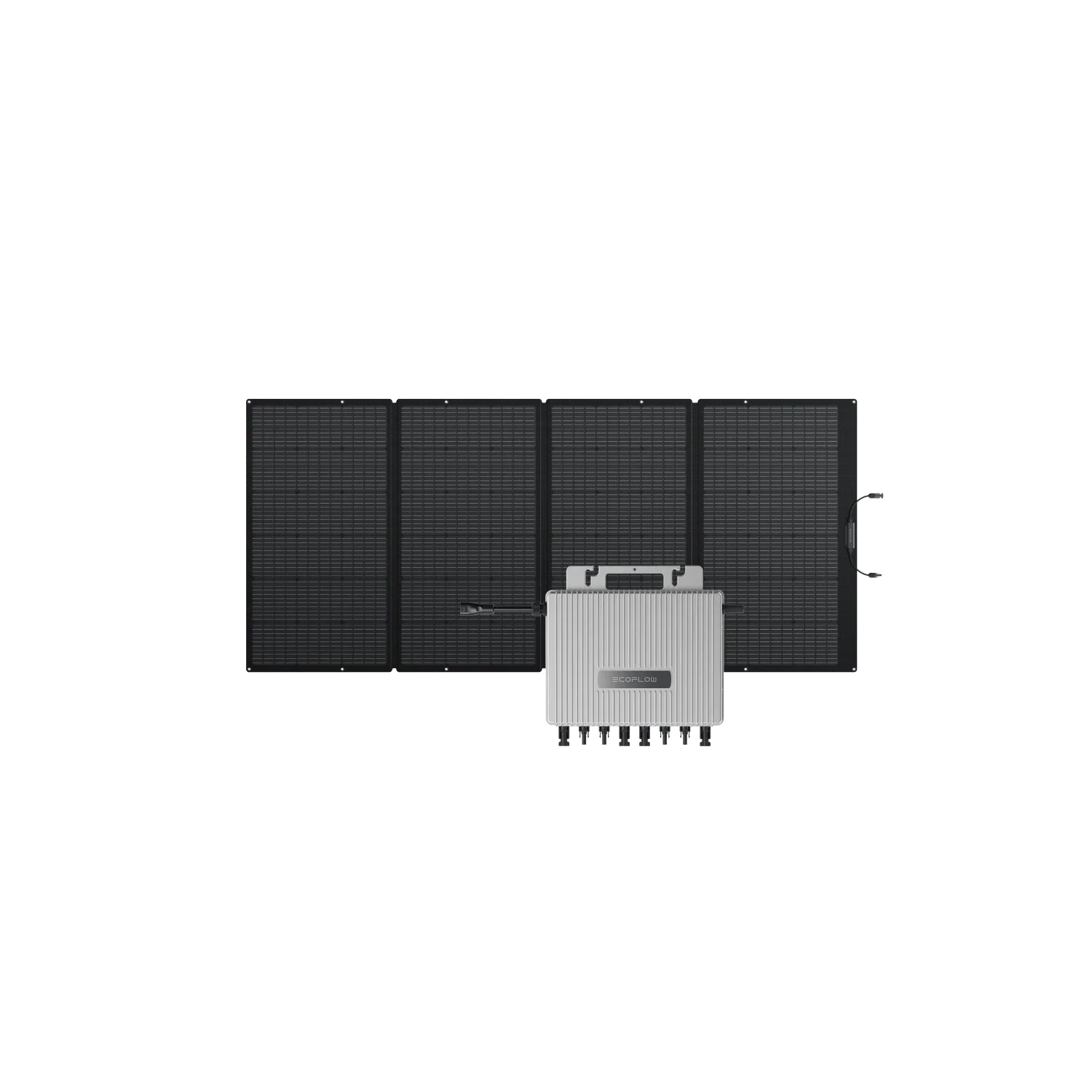
2. One or two solar panels
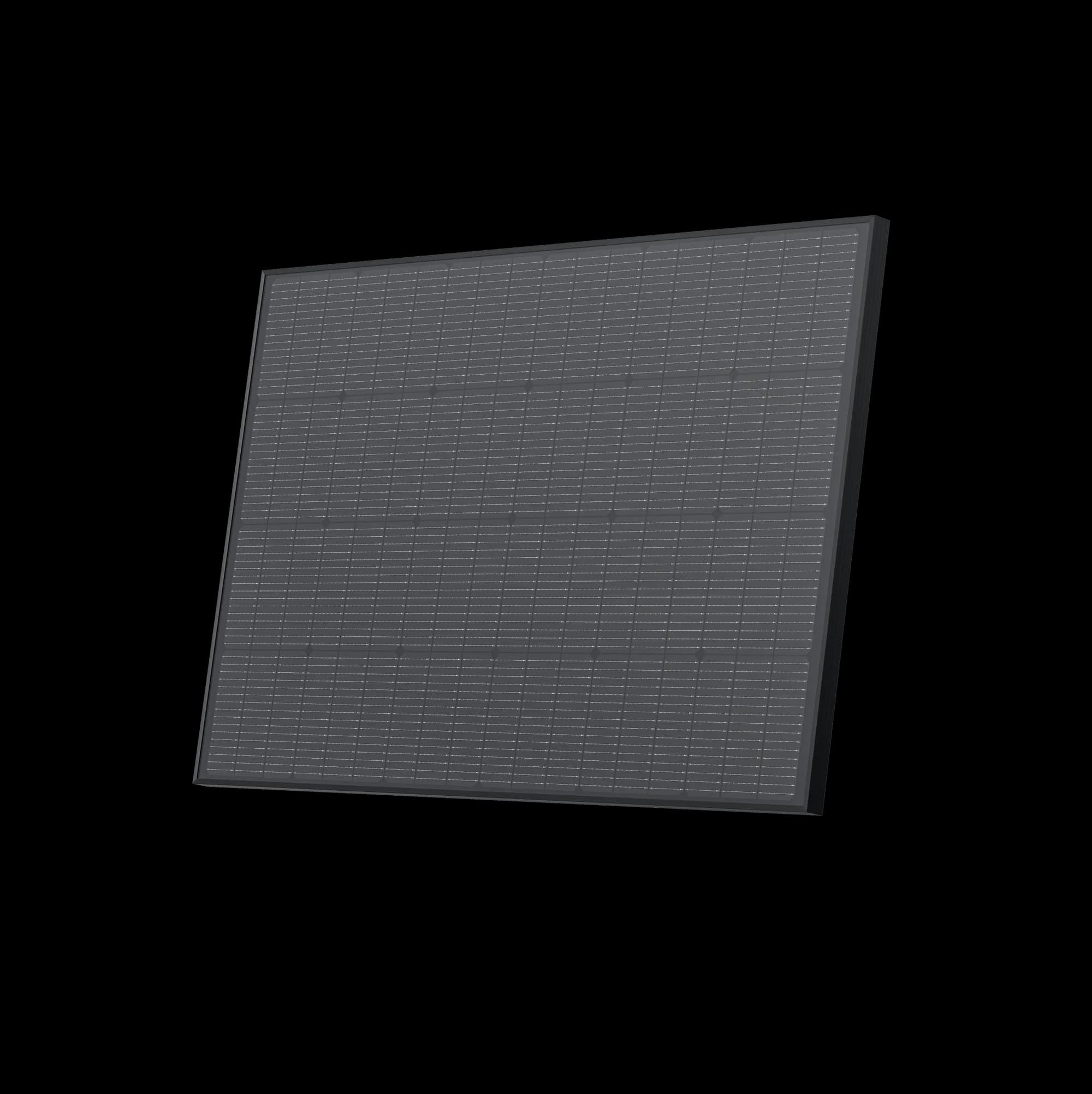
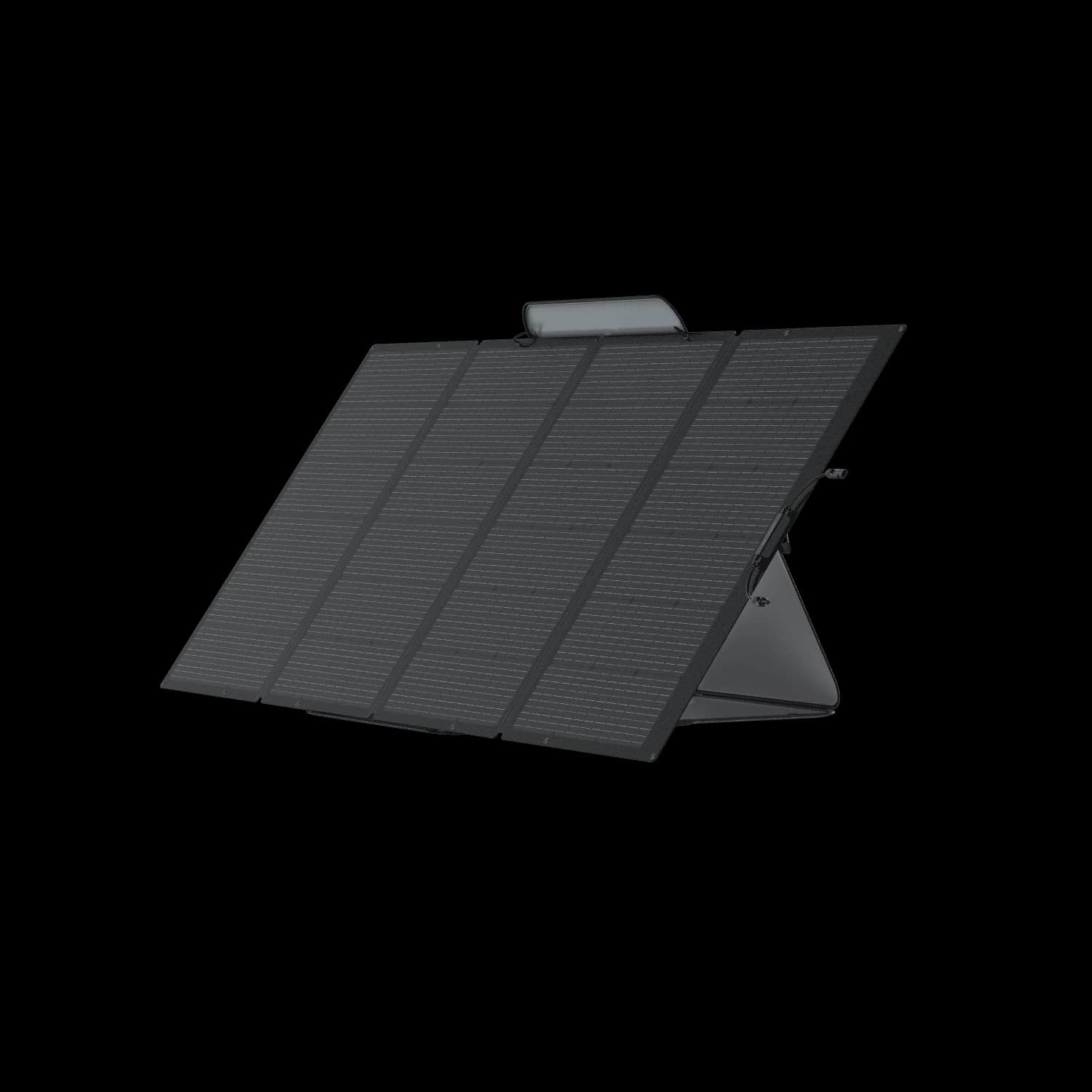
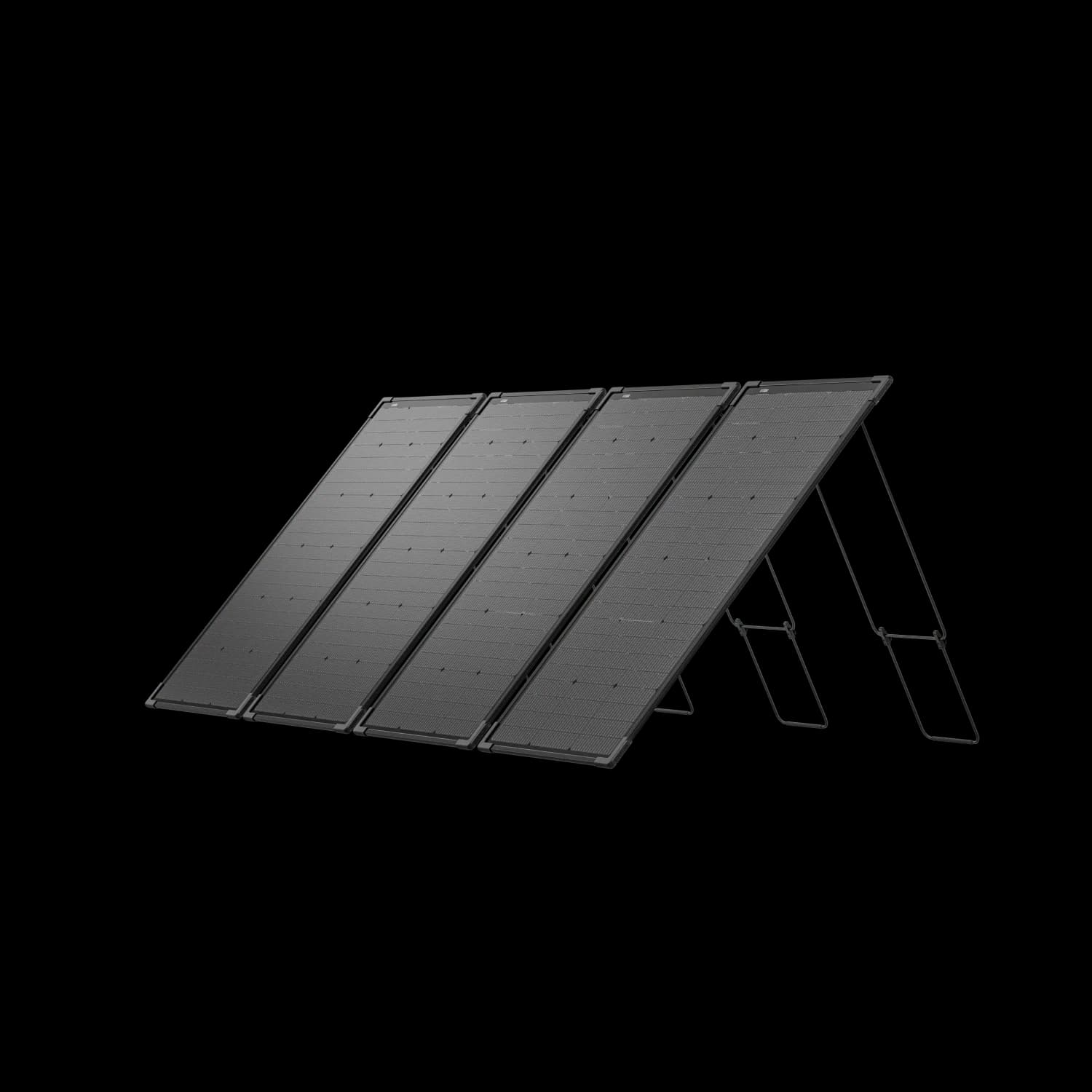
Standard panels run $150–$400 each. Utah averages around 5.5–6 peak sun hours per day in summer, which makes an 800W system particularly productive. Two 400W panels is the most common starting point.
3. Basic mounting hardware
Balcony railing mounts, ground stakes, or flat-roof mounts depending on your space. Our installation guides cover the main scenarios in detail.
4. A standard outlet
That's where your system plugs in. If you're in a condo or apartment and your outdoor outlet is inside a lockbox, check with building management before buying equipment.
What Does It Actually Cost in Utah?
A complete 800W setup in Utah runs roughly $600–$900 buying components separately. Utah's average residential electricity rate sits around 10–11 cents per kWh according to EIA data, so an 800W system producing 90–110 kWh per month would save you about $9–$12 per month. Over five years, that's $540–$720 back in your pocket from equipment that moves with you when you leave.
Utah's rate is lower than the national average, which means payback takes a bit longer here than in high-rate states like California or Massachusetts. That said, the 1,200W system cap gives you room to maximize output. A Plus-tier 1,200W system producing 130–160 kWh per month would save roughly $13–$18 per month, bringing payback closer to four to five years.
If you're renting
You still need landlord approval before putting anything up. Utah is one of five states with specific renter protections for solar access. Our landlord permission guide has a fill-in-the-blank letter and advice for handling a refusal. Our permit and approval guide covers the full pre-install checklist.
Utah's plug-in solar law gives you the legal foundation; getting started is the easier part.
What You Can Buy in Utah Right Now
Start with a system at or below Utah's 1,200W limit and confirm that its inverter carries the UL 1741 certification the law recognizes. An 800W kit is a practical starting point when you have reliable sun; a 1,200W system uses the full legal allowance.
We may earn a commission when you purchase through product links below. It doesn't affect the price you pay. Read our full disclosure →
Utah's average residential rate is 12.04¢ per kWh. Use the savings calculator to estimate your Utah bill reduction →
Frequently Asked Questions
Common questions about Utah's HB 340 and what it means for residents.
Ready to see how much you could save in Utah?
Enter your zip code and monthly electricity bill. Our calculator uses real solar data for your location to estimate your savings under Utah's 1,200W cap.
Last updated: August 1, 2026. We review state regulation information monthly for accuracy.