Maine's Plug-In Solar Law (LD 1730): What It Means for You
Maine Governor Janet Mills signed LD 1730 into law on April 6, 2026, making Maine the third state in the country to explicitly legalize plug-in solar systems for renters and homeowners. The law takes effect around July 15, 2026.
Maine joins Utah, Virginia, Maryland, Colorado, and New York as part of a growing wave of states legalizing plug-in solar → Here's what actually changed.
What Does Maine's Plug-In Solar Law Actually Allow?
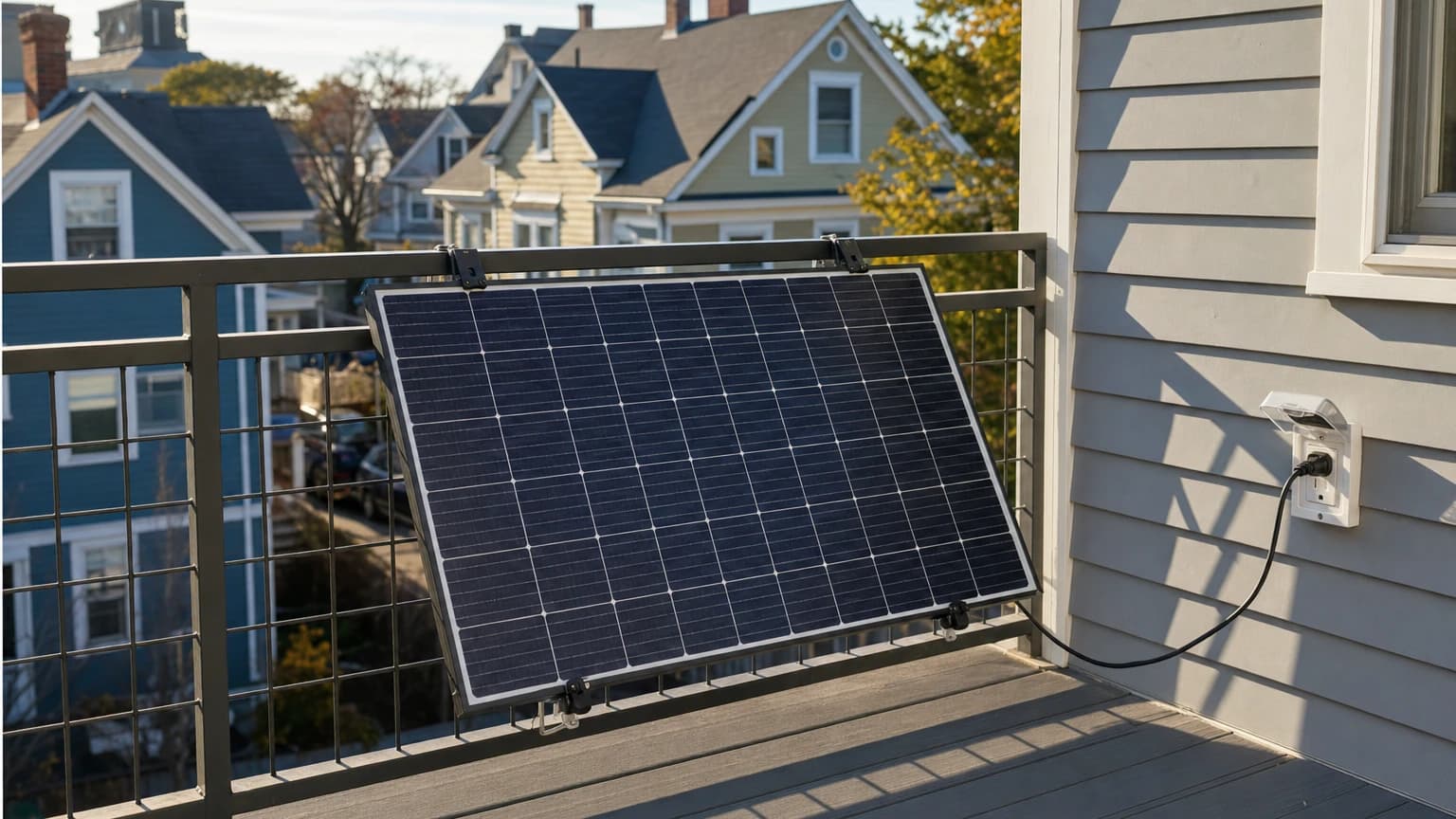
Maine's plug-in solar law (LD 1730) lets any retail electricity customer connect a plug-in solar or battery system of up to 1,200 watts to a standard outdoor outlet. Utilities cannot require prior approval, an interconnection agreement, or fees. The law covers renters and homeowners alike, as long as the equipment meets safety code requirements.
At 1,200 watts (three or four panels), a Maine system saves about $357 per year at the state's average residential rate of 25.47¢ per kilowatt-hour — among the highest in the country. That makes the payback math here better than in most other states.
One thing LD 1730 does not cover: net metering. Plug-in solar systems aren't eligible for Maine's existing net energy billing program. If your panels generate more power than you're using at a given moment, that electricity flows to the grid without a credit. Your savings come from what you consume as it's generated, not from billing credits.
New to plug-in solar? Our full explainer covers how these systems work →
The 420-Watt Rule: DIY vs. Electrician
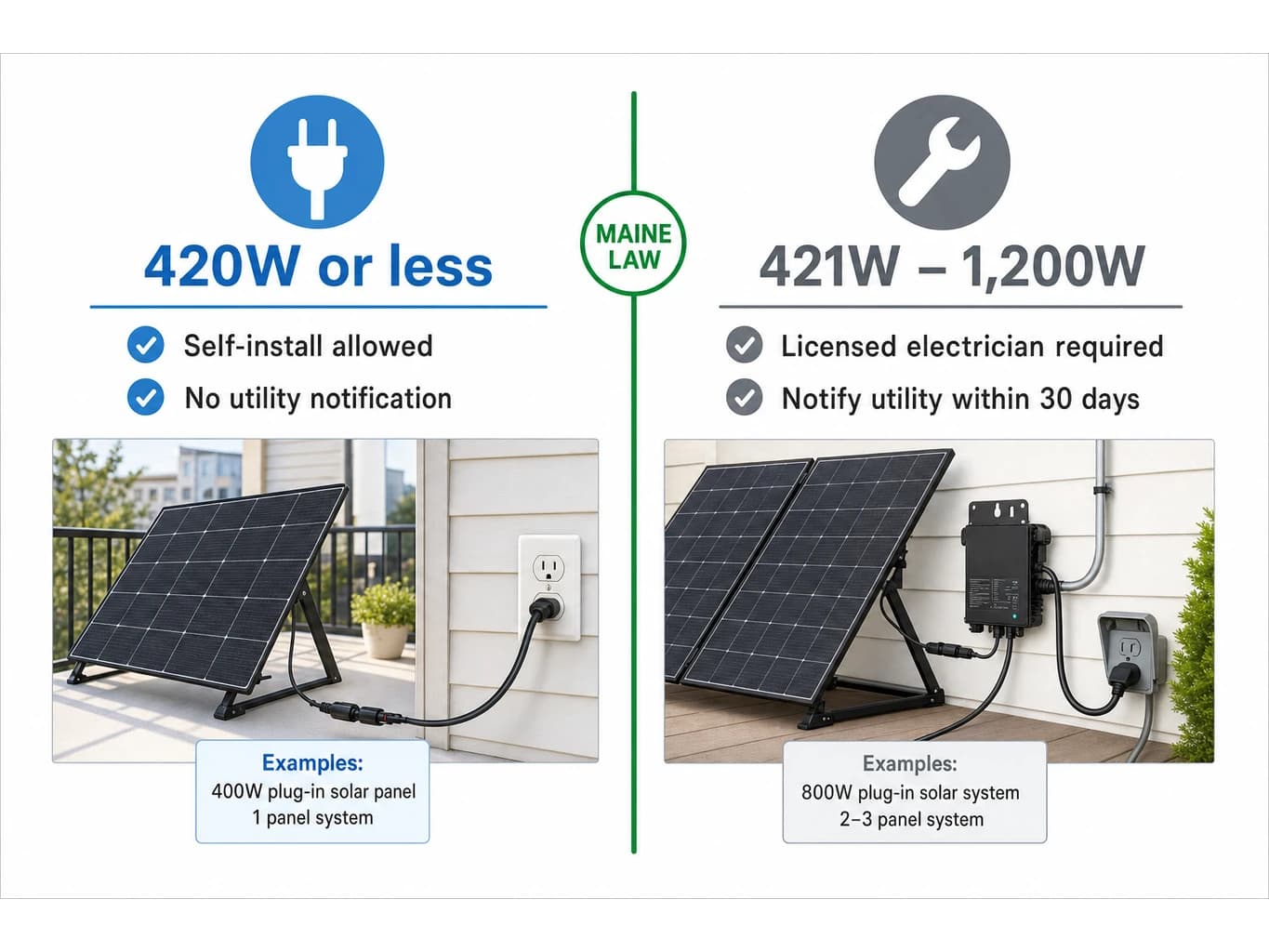
Most starter kits on the market today sit around 400 watts. That's not a coincidence. Maine's law drew the DIY line at 420 watts, placing those single-panel kits just under the threshold for self-installation.
420 watts or less
You can install it yourself. No licensed electrician required. No utility notification. Connect to a qualifying outdoor outlet in accordance with the National Electrical Code and applicable UL safety standards.
421 to 1,200 watts
A licensed electrician must handle the installation. You also need to notify your utility within 30 days. The utility cannot charge a fee for this: it's informational notice, not an approval process. LD 1730 explicitly bars utilities from using that notification to require further paperwork, charge fees, demand equipment inspections, or delay your installation.
That 420-watt line is a Maine-specific compromise. Utah's law requires no electrician at any system size under 1,200 watts. Virginia drew no DIY-versus-professional distinction either. Maine's tiered approach was a legislative concession, letting skeptical legislators accept renter access to small systems without approving fully unregulated large installations.
Stepping up to an 800-watt or 1,200-watt system crosses into electrician territory. Budget $300–$600 for professional installation, which stretches your payback by roughly a year. Our DIY installation guide covers every scenario in detail →
How Much Can Maine Residents Save?
About $119 to $357 per year, depending on your system size. That's what plug-in solar buyers in Maine can expect, based on the state's average residential electricity rate of 25.47¢ per kilowatt-hour.
Three system sizes cover most Maine buyers:
| System size | Monthly output | Monthly savings | Annual savings | Payback period |
|---|---|---|---|---|
| 400W Starter | ~40 kWh/mo | ~$10/mo | ~$119/yr | ~5–7 years |
| 800W Standard | ~77 kWh/mo | ~$20/mo | ~$238/yr | ~4–5 years |
| 1,200W Plus | ~115 kWh/mo | ~$29/mo | ~$357/yr | ~5–6 years |
Estimates based on 25.47¢/kWh average rate and about 3.9 peak sun hours/day for Maine. Output and savings vary by location, shading, and season.
Payback timelines are similar across all three sizes. A 400-watt kit at $600–$900 upfront reaches breakeven nearly as quickly as a 1,200-watt system at $1,700–$2,000, because the lower cost offsets the lower output.
A 1,200-watt system in a state with national average electricity rates (about 16¢/kWh) saves roughly $260 per year and pays back more slowly. In Maine, the same system saves about $357 and typically pays back in the 5–6 year range. That gap is mostly about where you live.
Want to see exactly what your address would save? Try our free savings calculator →
How Maine's Plug-In Solar Law Compares to Other States
Our tracker currently lists 5 enacted plug-in solar frameworks. Maine sits in the middle of the pack on tenant protections — stronger than Utah's original HB 340 → but lacking Virginia-style landlord-ban prohibitions.
| State | Wattage limit | Tenant protections | HOA protections | Effective |
|---|---|---|---|---|
| Utah (HB 340) | 1,200W | No explicit renter right | None in statute | Jan 1, 2025 |
| Virginia (SB 250) | 1,200W | Yes — landlords of 4+ units | Yes — blanket bans unlawful | July 1, 2026 |
| Maine (LD 1730) | 1,200W | Limited — no damage to property | Existing state law applies | ~July 15, 2026 |
| Maryland (HB 1532) | 1,200W | Yes | Limited | July 1, 2026 |
| Colorado (HB26-1007) | 1,920W | Yes — explicit renter protections | Yes — blanket bans unlawful | May 2026 |
| New York (SUNNY Act) | 1,200W | No explicit renter right | No explicit HOA protection | Awaiting signature |
Colorado is both the most landlord-restrictive and the most permissive on wattage, with a 1,920-watt ceiling no other state has matched. Read the Colorado law breakdown → Maryland's HB 1532 took effect the same spring under an emergency clause and sits at the same 1,200-watt cap, but — like Maine — leaves landlord and HOA relationships to private lease agreements rather than legislating them.
Curious where your own state stands? Our full state-by-state legality tracker covers all 50 states →
What Does Maine's Law Say About Renters and Landlords?
Renters
LD 1730 allows tenants to install plug-in solar, but it doesn't explicitly bar landlords from prohibiting it. That's the key difference from Virginia and Colorado, both of which ban landlords owning more than four units from blocking qualifying systems. Under Maine's law, you must not damage the rental property, must follow safety codes, and must restore any structural changes when you move out.
HOA Members and Condo Owners
You're in better shape. Maine's existing solar rights law (Title 33, Chapters 28 and 28A) already prohibits homeowners associations from restricting solar devices on residential properties. LD 1730 adds a dedicated plug-in solar pathway on top of that existing protection, giving HOA-community owners two layers of legal backing.
Homeowners Without an HOA
The simplest situation: no utility approval needed, no landlord to negotiate with, and no HOA restrictions to worry about. Install a qualifying system, use it, and start reducing your bill.
If you're renting and want to install, start with your lease and have the landlord conversation before you buy anything. Our landlord permission guide has a fill-in-the-blank letter template → Most landlord concerns dissolve once they understand the system weighs under 30 pounds and clamps to railings without drilling a single hole.
What You Can Buy in Maine Right Now
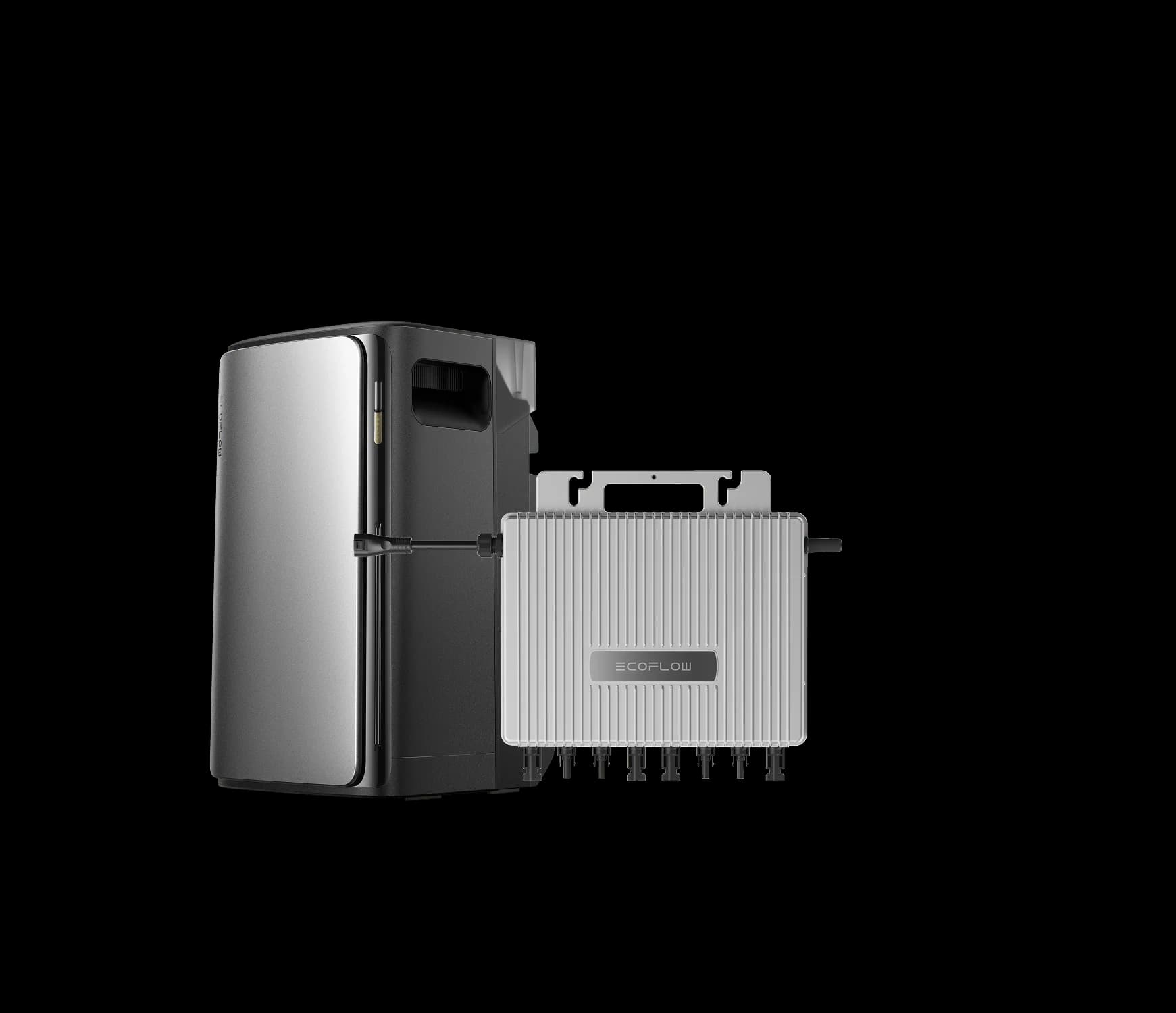
APsystems and Craftstrom were already marketing balcony solar systems to Maine residents before LD 1730's July effective date. EcoFlow announced plans to launch products in Maine around the time the law takes effect.
Maine is the first state to specifically reference UL 3700 in its plug-in solar legislation. This safety standard was published in January 2026. In practice, that doesn't mean you need a UL 3700-certified product right now. Systems that meet UL 1741 SB certification are compliant under LD 1730 today, and most microinverters currently on the market carry that certification. UL 3700-certified products are expected to appear in retail channels by fall 2026. Full breakdown of what UL 3700 requires and why it matters →
What to look for when buying
- UL 1741 SB certification on the microinverter, or UL 3700 — the APsystems EZ1 is certified to the newer standard
- 120V NEMA 5-15 plug (standard US outdoor outlet)
- 420W or under for DIY installation; 421W to 1,200W requires a licensed electrician
- A manufacturer with US-based customer support and warranty service
Browse certified plug-in solar systems →
We may earn a commission when you purchase through product links below. It doesn't affect the price you pay. Read our full disclosure →
Maine's average residential rate is 25.47¢ per kWh. Calculate a Maine-specific savings estimate →
The Story Behind LD 1730
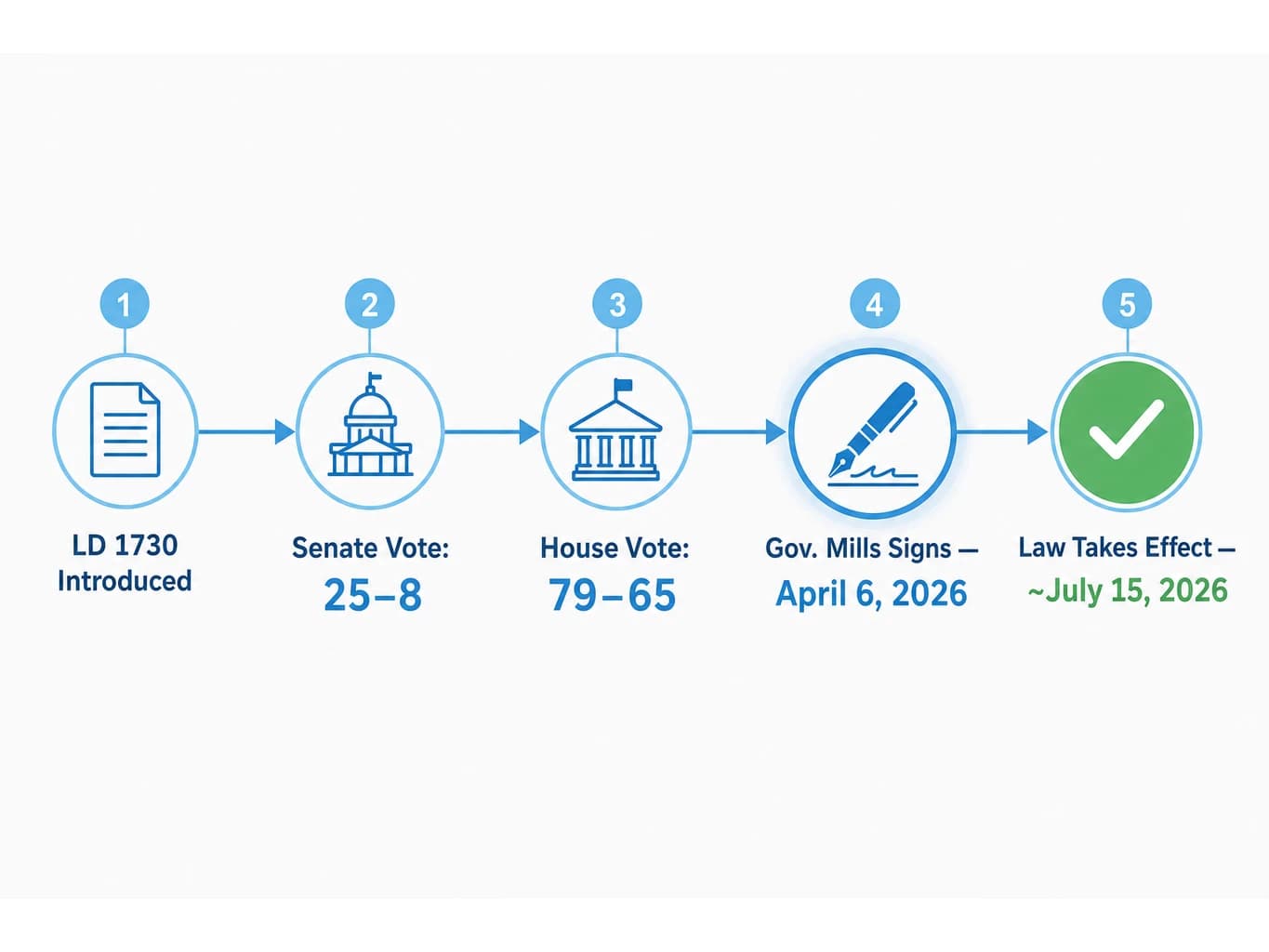
The House passed LD 1730 79 to 65. That margin is tighter than most state solar bills, and it tells you exactly why the final law looks the way it does.
Sen. Nicole Grohoski (D-Ellsworth) sponsored the bill, giving it a name that signals its intent: “An Act to Make Small Plug-in Solar Generation Devices Accessible for All Maine Residents to Address the Energy Affordability Crisis.” Rep. Gary Friedmann co-led the effort in the House. The affordability framing wasn't rhetorical. Maine's electricity costs rank among the five highest in the country, and the sponsors leaned into that directly.
The Senate passed LD 1730 25–8. Several House members objected to a provision that lets tenants install electrical equipment on property they don't own, without the owner's consent. That objection explains why LD 1730 doesn't include Virginia-style landlord-ban protections. Getting those 79 votes required that trade.
Governor Mills signed the bill on April 6, 2026. The law takes effect approximately July 15 under Maine's standard 90-day post-session rule for non-emergency legislation.
PV Tech noted the day of Maine's passage that Virginia and Colorado were expected to follow. Both did, within weeks. Maine's 2026 solar law set off what became a five-state wave that spring. Virginia's law details →
Frequently Asked Questions
Common questions about Maine's LD 1730 and what it means for residents.
Ready to see how much you could save in Maine?
Enter your zip code and monthly electricity bill. Our calculator uses real solar data for your location to estimate your savings at Maine's rates.
Last updated: August 1, 2026. Maine law information is reviewed quarterly for accuracy.