New York's Plug-In Solar Law: What the SUNNY Act Means for You
New York's Legislature passed the SUNNY Act on May 28, 2026, clearing the way for plug-in solar panels in a state where roughly 65% of residents rent. The bill now sits on Governor Kathy Hochul's desk. Once signed, New York balcony solar and plug-in solar panels will be explicitly legal statewide — no utility fees, no interconnection paperwork, no grid approval required.
What Does the New York Plug-In Solar Law Actually Do?
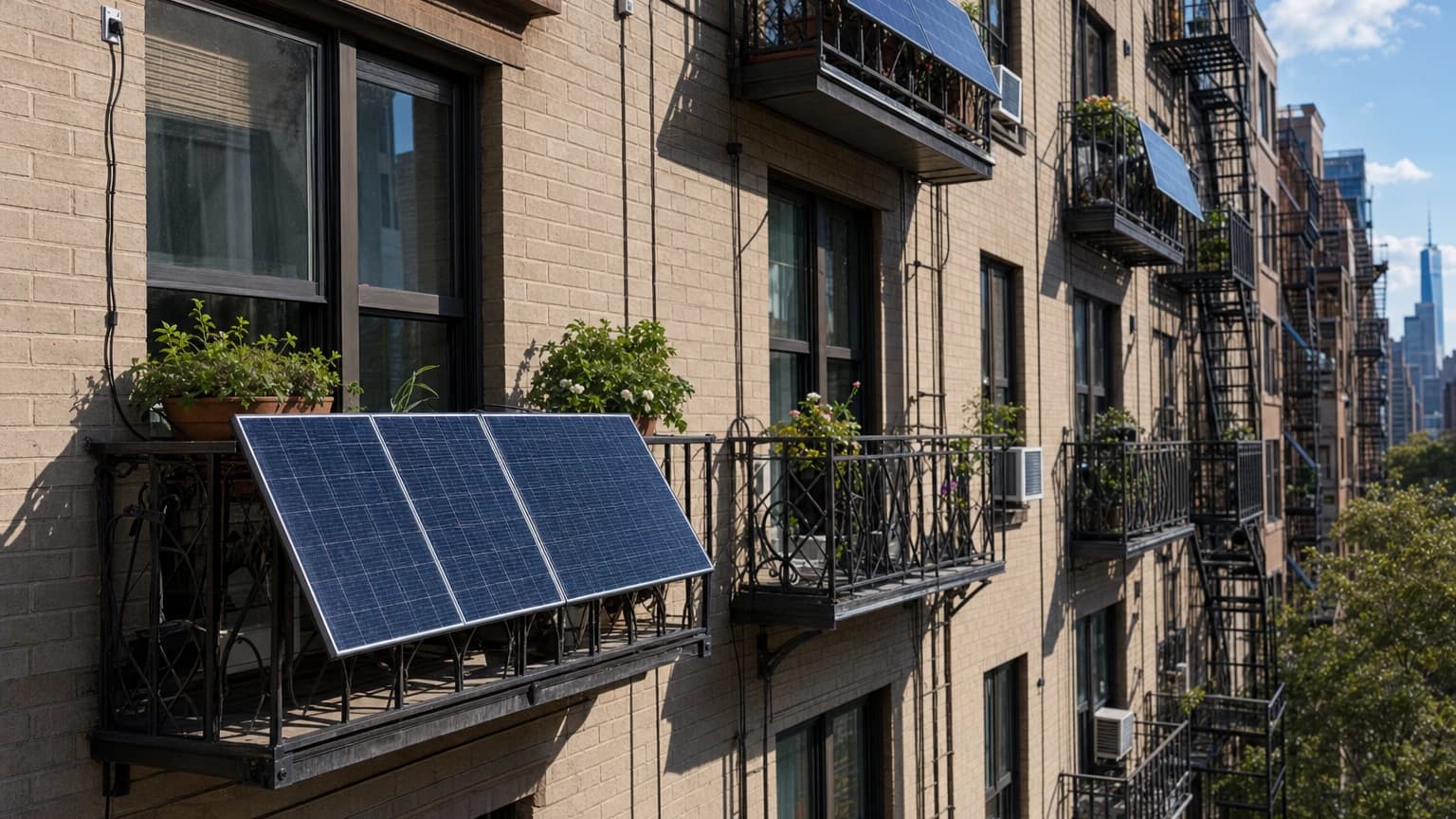
New York's SUNNY Act (A.9111C/S.8512C) removes the utility bureaucracy that has kept plug-in solar in a legal gray zone. You can install a solar panel on your balcony, windowsill, or terrace, plug it into a standard outlet, and skip filing an interconnection agreement, applying for net metering, or paying any utility-related fees.
The bill defines a portable solar generation device as any photovoltaic system up to 1,200 watts of AC output that connects to a standard 120V electrical outlet. Every device must be certified by a recognized testing laboratory such as UL Solutions. For systems under 391 watts, no changes to your building's wiring are required at all.
New to plug-in solar entirely? Our full explainer walks through how these systems work →
How the SUNNY Act Passed: Sponsors, Vote, and What Comes Next
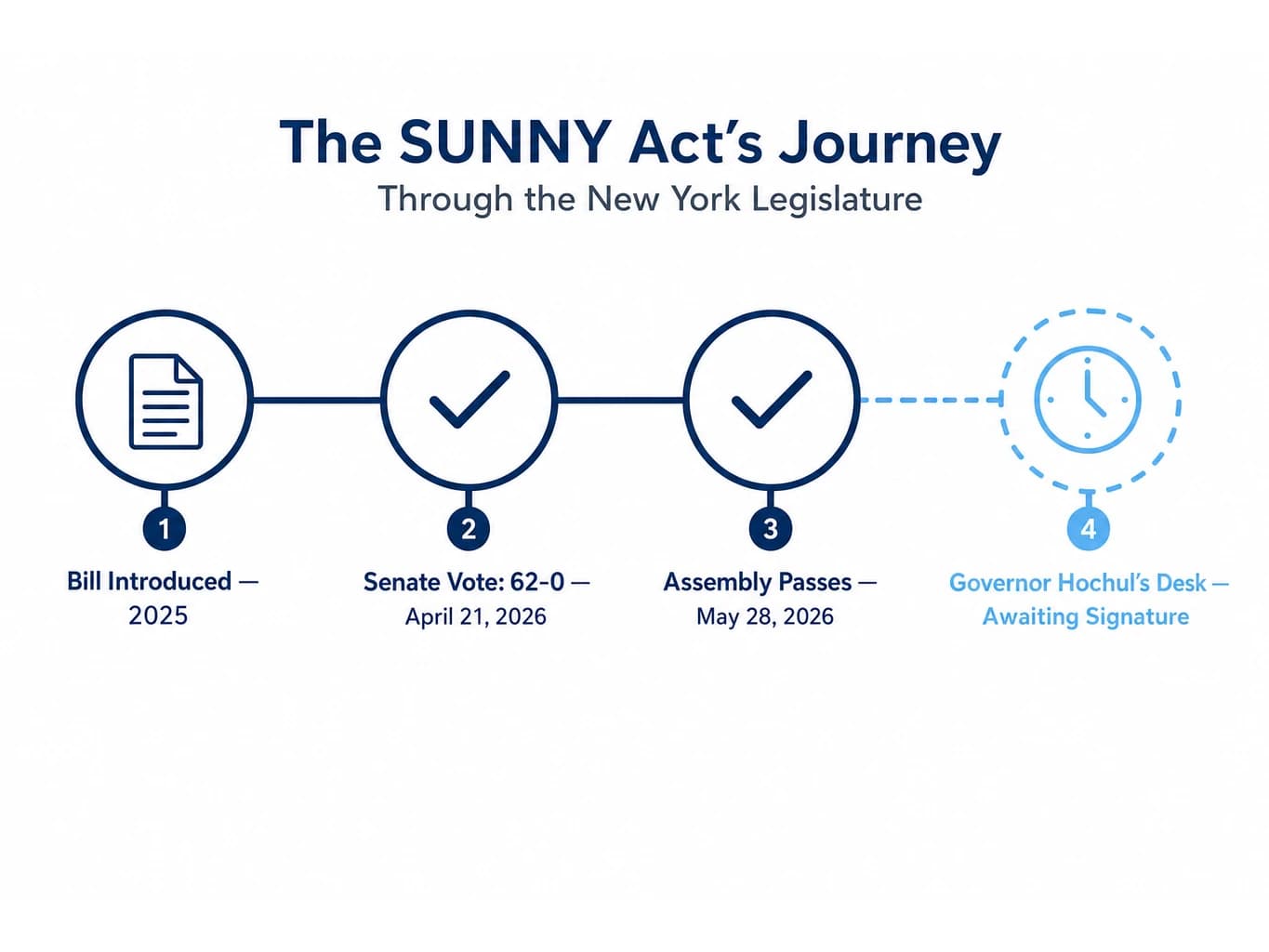
Sixty-two to zero. That was the Senate vote on April 21, 2026: unanimous, bipartisan, and nearly unreported outside New York. The Assembly followed on May 28. Senator Liz Krueger of Manhattan, who sponsored the Senate version alongside Assembly Member Emily Gallagher of Brooklyn, has called the SUNNY Act one of her most popular bills because it lowers utility costs, cuts emissions, and opens solar access to New Yorkers who have never had a path in.
Con Edison issued a memo supporting the bill, calling it an "appropriate balance." That matters because utilities in other states have fought similar legislation hard. With Con Ed's backing, Governor Hochul's biggest argument against signing disappears.
Governor Hochul has until the end of 2026 to sign or veto. If she signs, the law takes effect immediately — no rulemaking process, no waiting period. For the certification standards the SUNNY Act references, see our UL 3700 and UL 1741 SB explainer →
What Does the SUNNY Act Leave Out for Renters?
The SUNNY Act removes utility barriers, but it doesn't touch landlord or HOA barriers.
Your landlord, co-op board, and condo association can all still say no. The law contains no provisions requiring building owners or homeowner associations to permit plug-in solar installation, and no anti-retaliation protections if you push back after a refusal.
New York City makes this gap particularly sharp. Roughly one-third of NYC housing stock is co-ops, and board approval governs almost everything residents can do to their units. Contrast this with Colorado's HB26-1007 →, which included explicit renter and HOA member protections. Virginia did the same. New York's sponsors have acknowledged the omission; a follow-on bill adding renter protections is expected in 2027.
For now, if your building objects, you're working without a legal backstop. The good news: the landlord conversation gets easier once you can point to state law saying the utility has no objection and the equipment is safety-certified. Our landlord negotiation guide → covers the specific arguments that tend to work.
How New York's Law Compares to Other States
Our tracker currently lists 4 states with legislation passed but not yet effective or awaiting final action, alongside 5 enacted statewide frameworks.
| State | Wattage cap | Renter / HOA protection | Utility fees banned | Effective |
|---|---|---|---|---|
| Utah | 1,200W | No | Yes | March 2024 |
| Virginia | 1,000W | Yes | Yes | July 2024 |
| Maine | 800W | No | Yes | July 2026 |
| Maryland | 800W | No | Yes | Oct 2024 |
| Colorado | 1,920W | Yes | Yes | May 2026 |
| New York (pending) | 1,200W | No | Yes | Awaiting Hochul |
New York's 1,200W cap matches Utah and exceeds Maine and Maryland, enough for a Standard or Plus tier system. The missing renter protections stand out against Virginia and Colorado, both of which protect tenants from landlord refusals. By wattage and renter rights, New York's law looks closer to Utah's 2024 model → than to Colorado's more ambitious version →
New York's SUNNY Act is still the most significant action by population: New York has more renters than all five signed-law states combined. Curious where your own state stands? Our state-by-state legality guide tracks all 50 states →
How Much Could You Save on Your New York Electricity Bill?
At New York's average rate of 21.73¢ per kWh, a standard 800W plug-in solar system saves about $17 per month — roughly $203 per year. Con Edison customers in NYC often pay above that average once delivery charges are included, which can push annual savings higher. A typical Standard system often pays for itself in about 3–4 years at statewide-average rates.
That rate is still well above the national average of about 16¢. Con Ed just received regulatory approval for a 9% rate increase spread across 2026 through 2028, so the savings gap widens each year you wait. Here's how the numbers break down across system sizes:
| System size | Monthly output (avg) | Monthly savings at 21.73¢/kWh | Annual savings | Typical cost |
|---|---|---|---|---|
| 400W Starter | ~45 kWh | ~$10 | ~$102 | $300–$600 |
| 800W Standard | ~90 kWh | ~$17 | ~$203 | $500–$900 |
| 1,200W Plus | ~130 kWh | ~$28 | ~$305 | $800–$1,400 |
Estimates assume New York's average residential rate of 21.73¢/kWh. Actual savings depend on your location, local utility rate, sun exposure, and panel placement.
At about $203 per year and a $700 average system cost, you're looking at a payback period of about 3.5 years — still competitive with the national average because New York's rates run high. For a personalized number based on your zip code and actual sunlight hours, try our free savings calculator → The difference between a south-facing Bed-Stuy terrace and a north-facing Clinton Hill window is real, and the calculator accounts for it.
What Can New Yorkers Do Right Now?
Today's plug-in solar systems don't need the law to exist. They need Hochul's signature, and you can be ready before she provides it.
Check your lease
Look for language about exterior attachments or electrical modifications. Vague language often gives you more room than you'd expect, especially with a utility-supported state law in hand.
Assess your outdoor access
A south- or west-facing balcony or terrace with at least four hours of direct sun per day is enough for a Starter or Standard system. North-facing windows work too, at reduced output.
Pick your system size
For most NYC apartments, 400W to 800W is the practical range. Our DIY installation guide explains what setup involves and when you'd need an electrician.
Confirm your outlet
Standard 120V, 15A outlets handle up to 800W without modification. A 600W system draws roughly 5 amps, well within a typical circuit's 15-amp capacity.
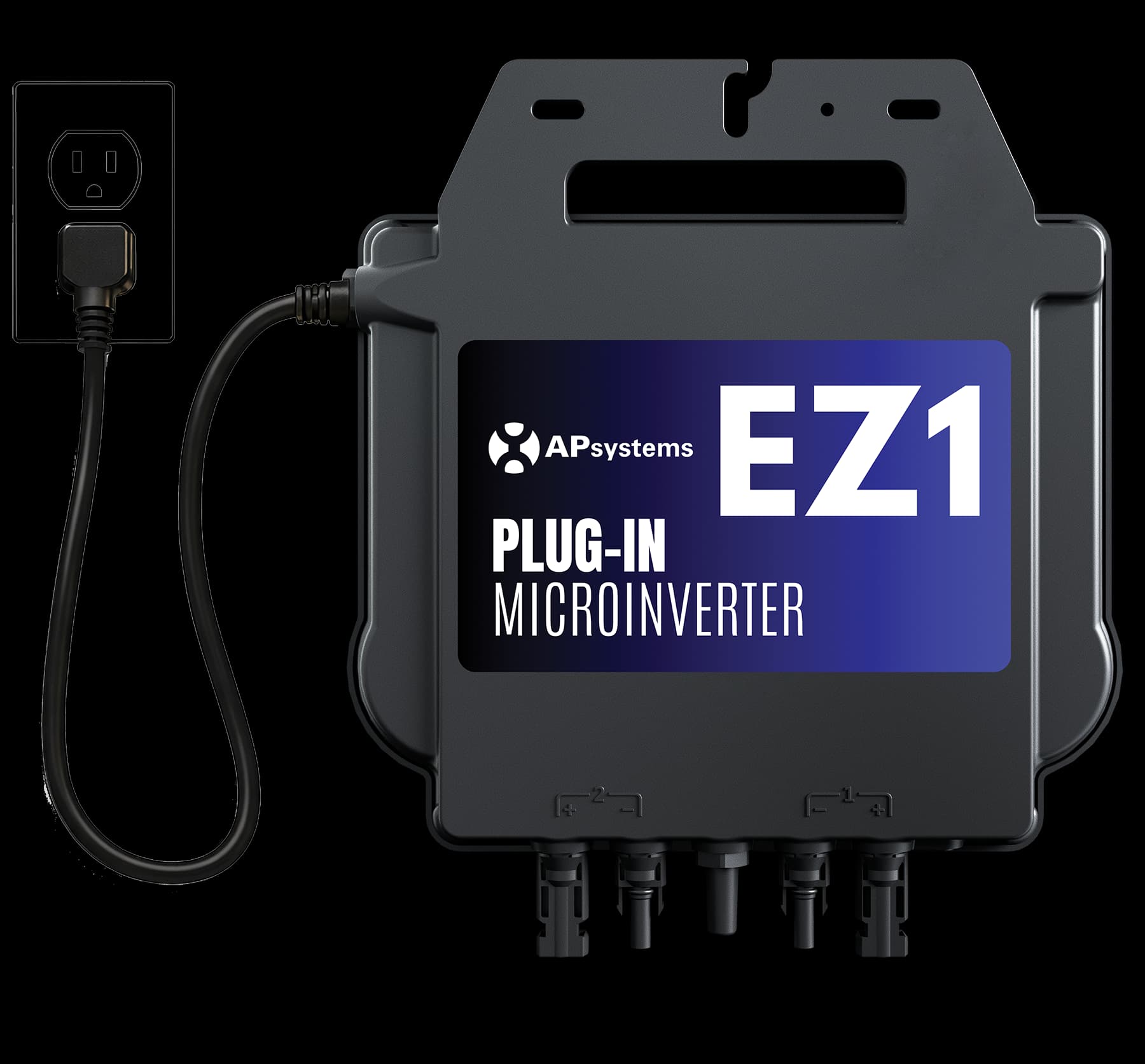
Current systems from APsystems, Craftstrom, and Hoymiles come with UL 1741 SB certification — the qualifying standard that satisfies the SUNNY Act's requirements immediately on signing. UL 3700, the newer standard built specifically for plug-in solar, is expected to see its first certified products by late 2026. Learn more about the difference in our apartment wiring guide → or check our DIY installation guide → for what setup actually involves.
Browse our product catalog → to compare current systems and match one to your space and budget.
What You Can Buy in New York While the SUNNY Act Is Pending
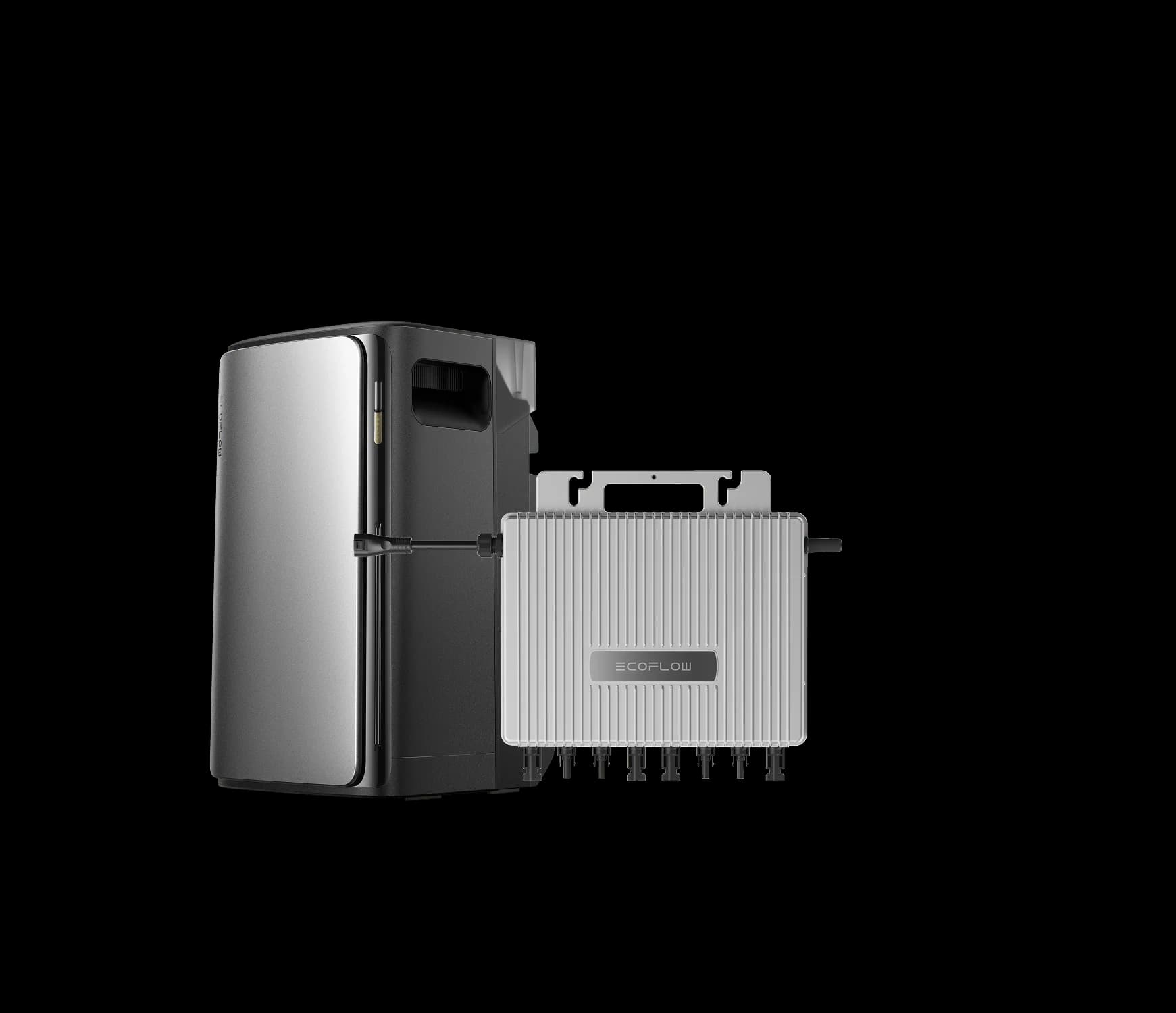
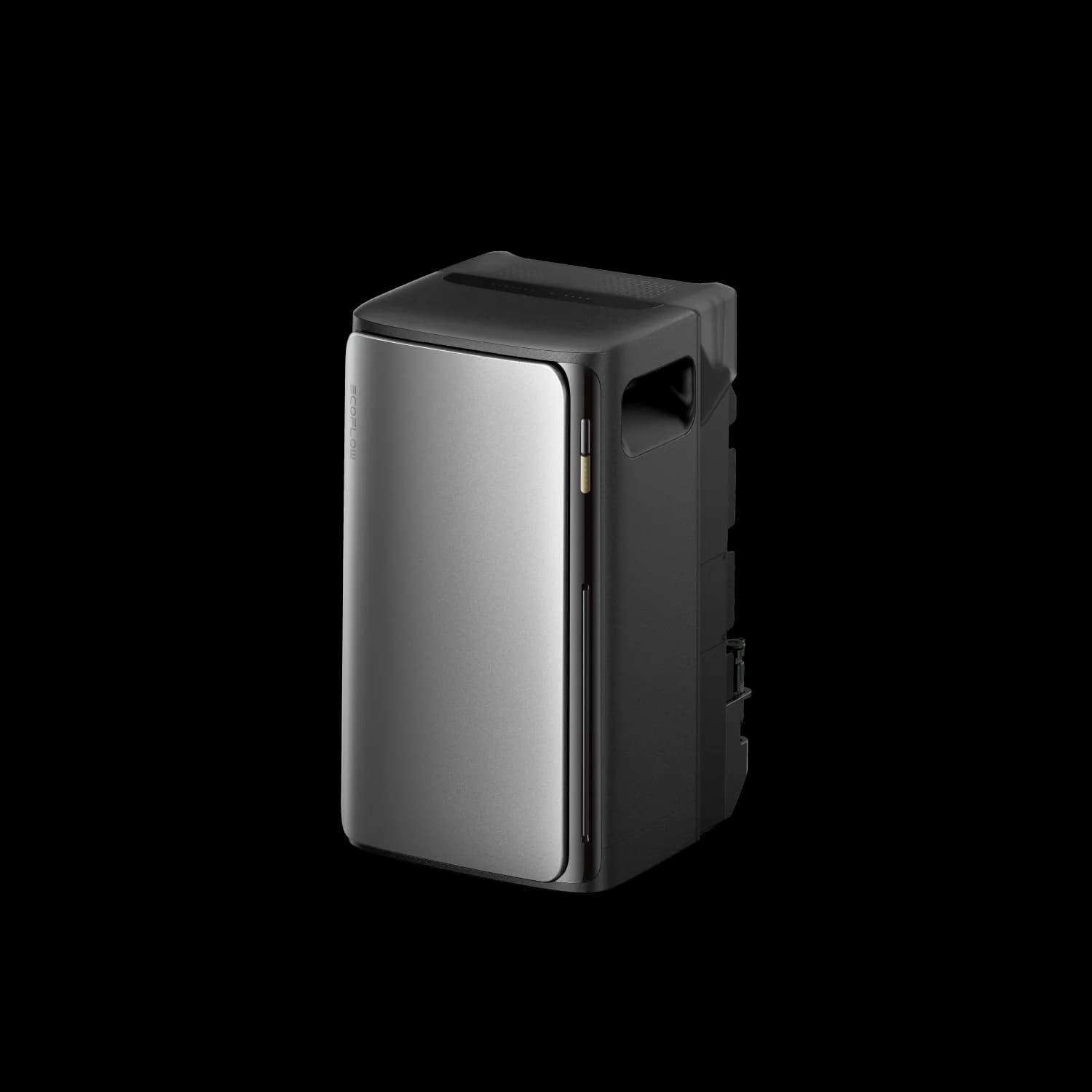
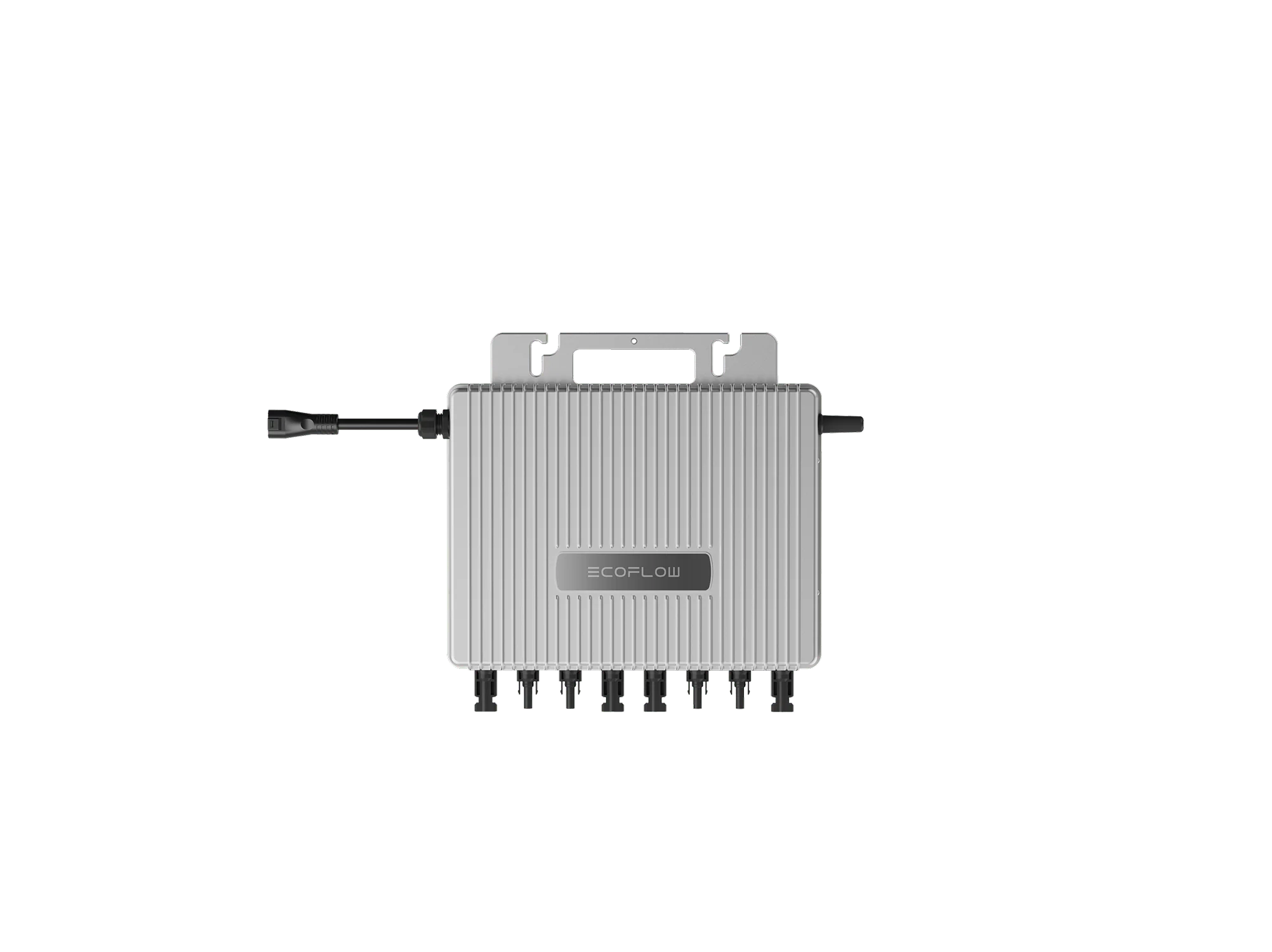
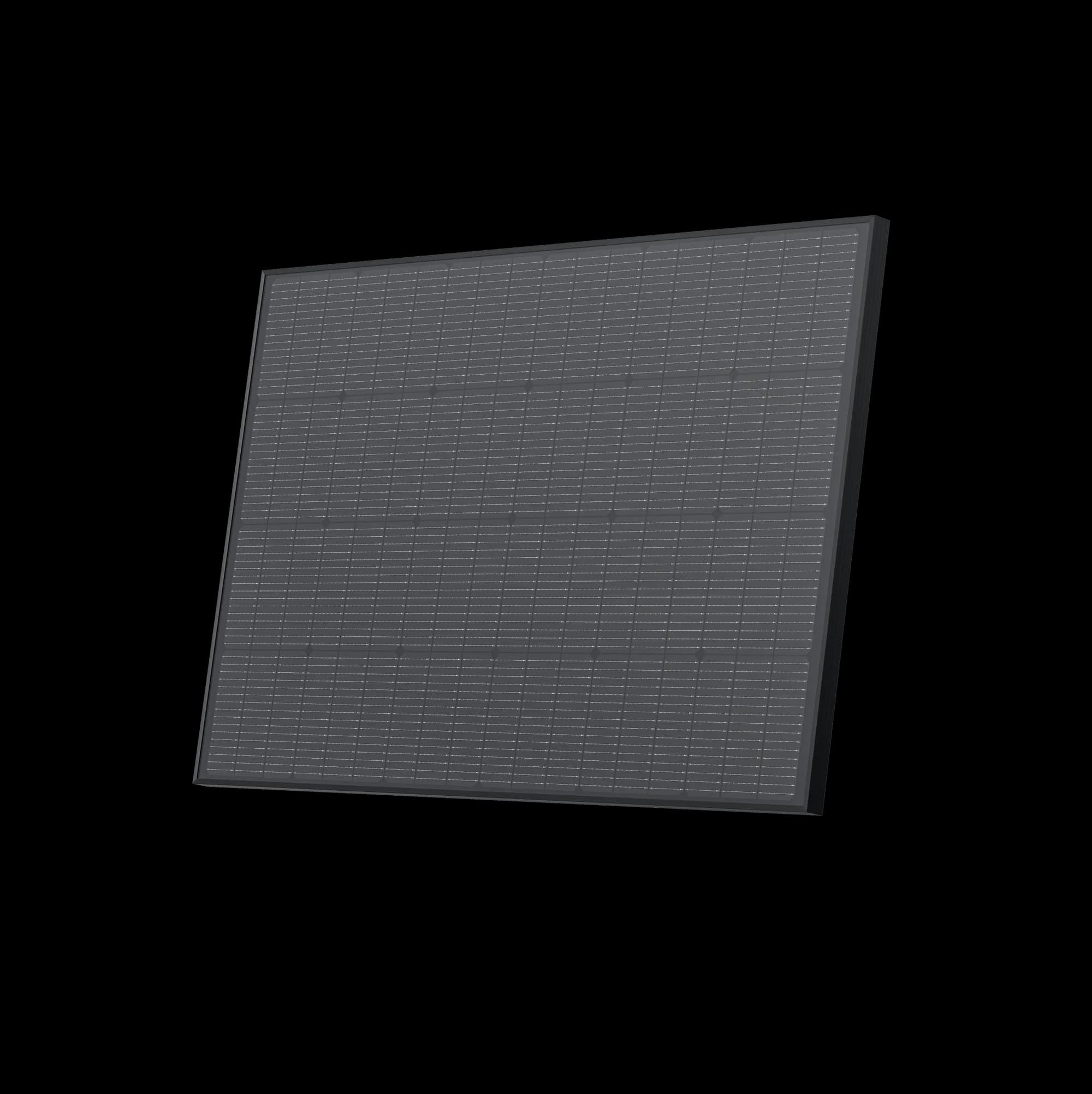
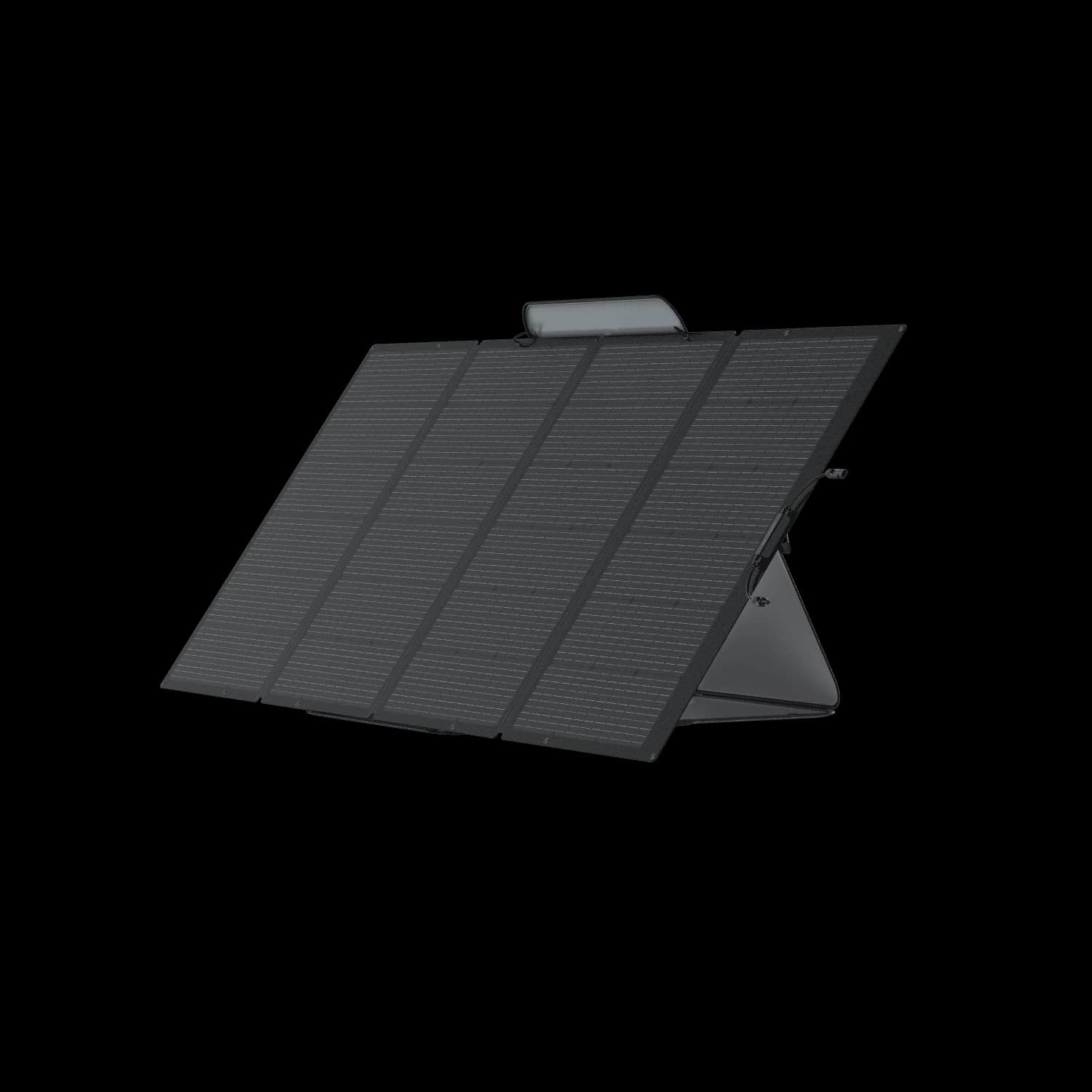
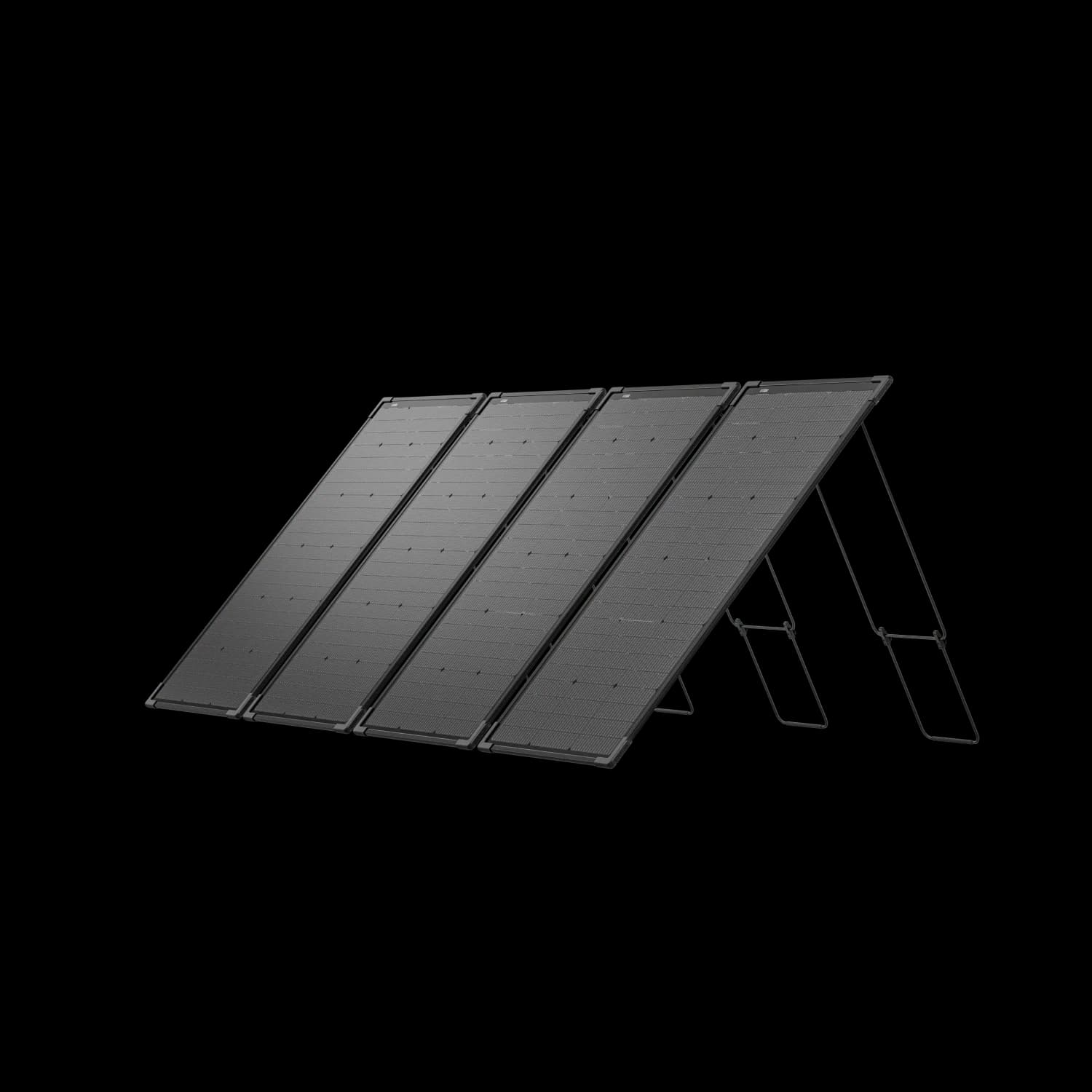
The SUNNY Act has passed the Legislature but still awaits Governor Hochul's signature. You can compare certified systems and components now, but do not assume the bill's plug-in pathway is available until it becomes law and reaches its effective date.
We may earn a commission when you purchase through product links below. It doesn't affect the price you pay. Read our full disclosure →
New York's average residential rate is 21.73¢ per kWh. Use the calculator to estimate your New York savings →
What Comes Next: Governor Hochul's Decision
Governor Hochul has until the end of 2026 to sign or veto the SUNNY Act. She hasn't taken a public position. The Senate and Assembly votes were both bipartisan and overwhelming, and plug-in solar's most common political liability — utility opposition — isn't present here. Con Ed filed in favor.
If Hochul signs, the law takes effect immediately. No waiting period, no rulemaking, no further utility process. Residents could plug in within days.
If the bill dies at year-end without action, advocates would reintroduce it in 2027, likely with added renter protections to address the HOA gap. That session would be stronger for the precedent New York's legislature already set.
Our New York state page → is updated when the Governor acts. To track Connecticut, New Hampshire, and the rest of the states with bills moving, visit our full state tracker → The new york plug-in solar law is one signature away from making solar accessible to millions more renters than it reaches today.
Frequently Asked Questions
Common questions about New York's SUNNY Act and what it means for residents.
Ready to see how much you could save in New York?
Enter your zip code and monthly electricity bill. Our calculator uses real solar data for your location to estimate your savings at New York's rates.
Last updated: August 1, 2026. We review state regulation information monthly for accuracy.