Products
What's Included in a Plug-in Solar Kit and What Else Do I Need?
You're thinking about buying a plug-in solar kit. But you've never done this before, and you're wondering what actually comes in the box — and what you'll need to buy separately to make it work. Most kits come with everything you need to get solar running. But “everything you need” and “everything you want” are different things.
What's Typically Included in a Plug-in Solar Kit?
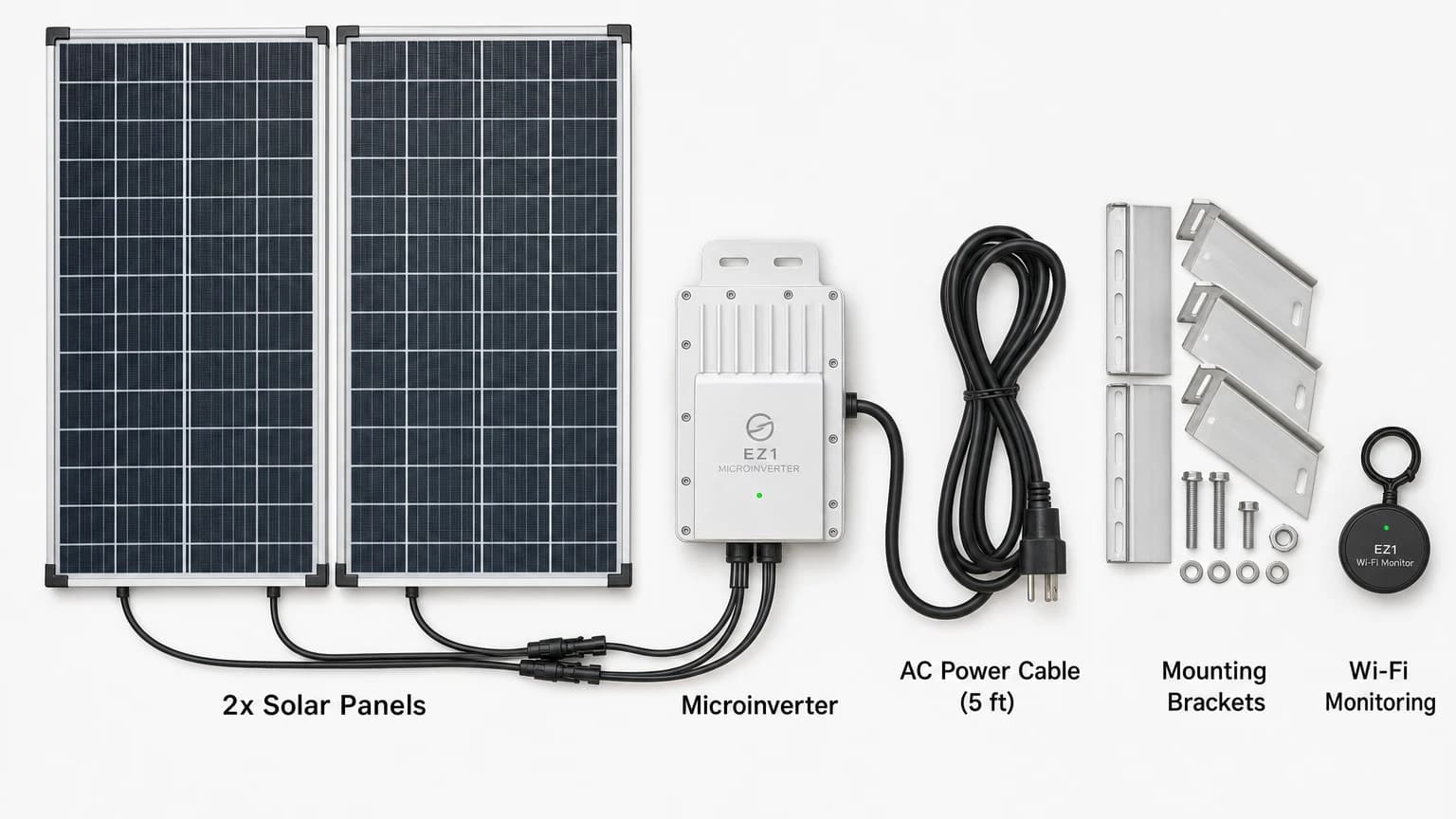
Plug-in solar kit contents are consistent across brands and wattage tiers: solar panels, a microinverter, mounting hardware, cables, and a monitoring system. Those five parts turn sunlight into electricity and feed it directly into your home's wiring. Everything ships pre-matched so you don't have to research compatibility.
The reason manufacturers call it a “complete kit” isn't marketing. Every component is tested for compatibility before it ships: the microinverter is sized for the panels, the cables are the right gauge, and the mounting matches the panel weight. Buy components separately and you're responsible for all that research. A common mistake is pairing panels that produce more short-circuit current than the inverter's input window allows, which trips the protection circuitry and shuts down production. Kits eliminate that risk.
What Does Each Component in a Plug-in Solar Kit Actually Do?
Solar Panels
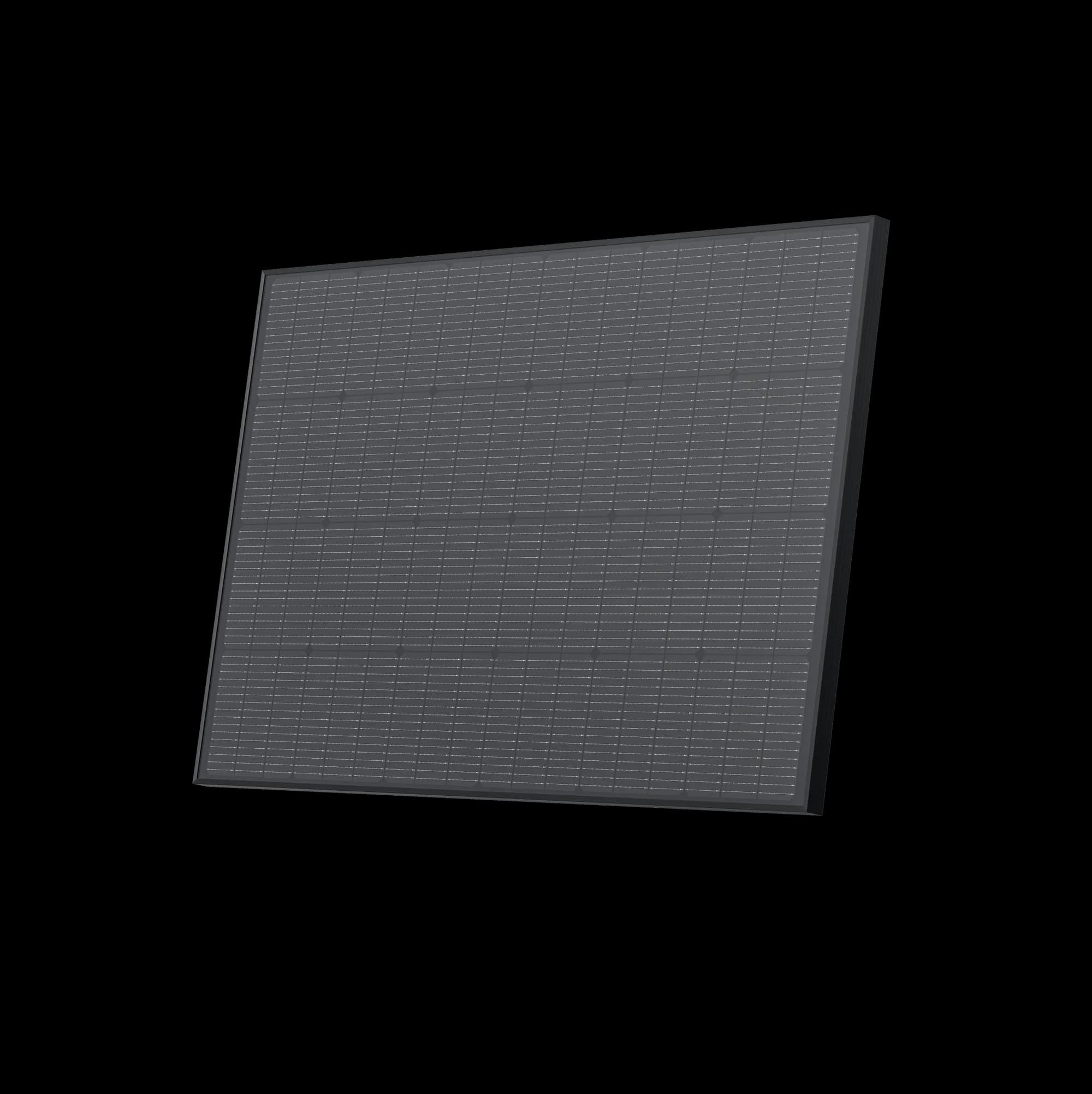
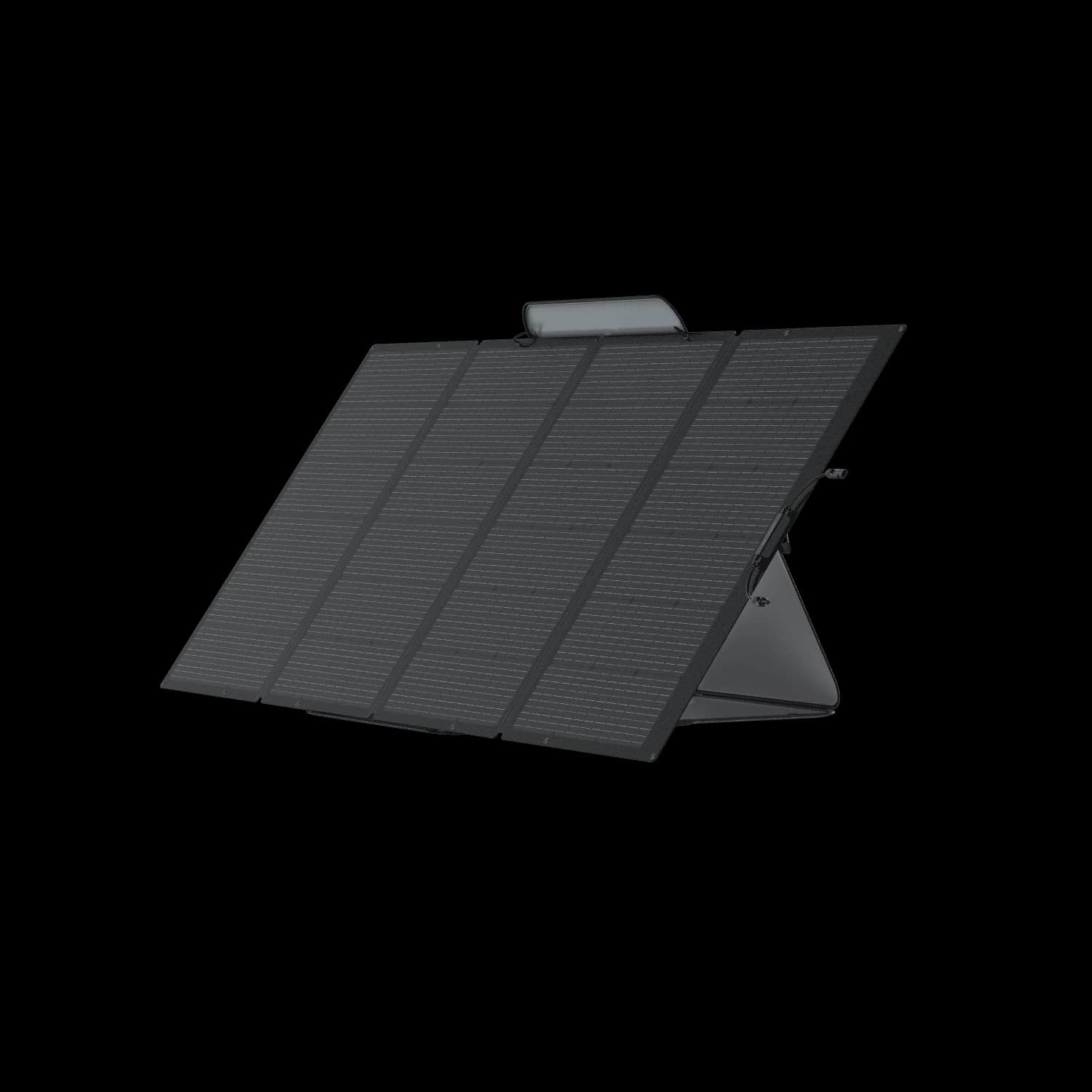
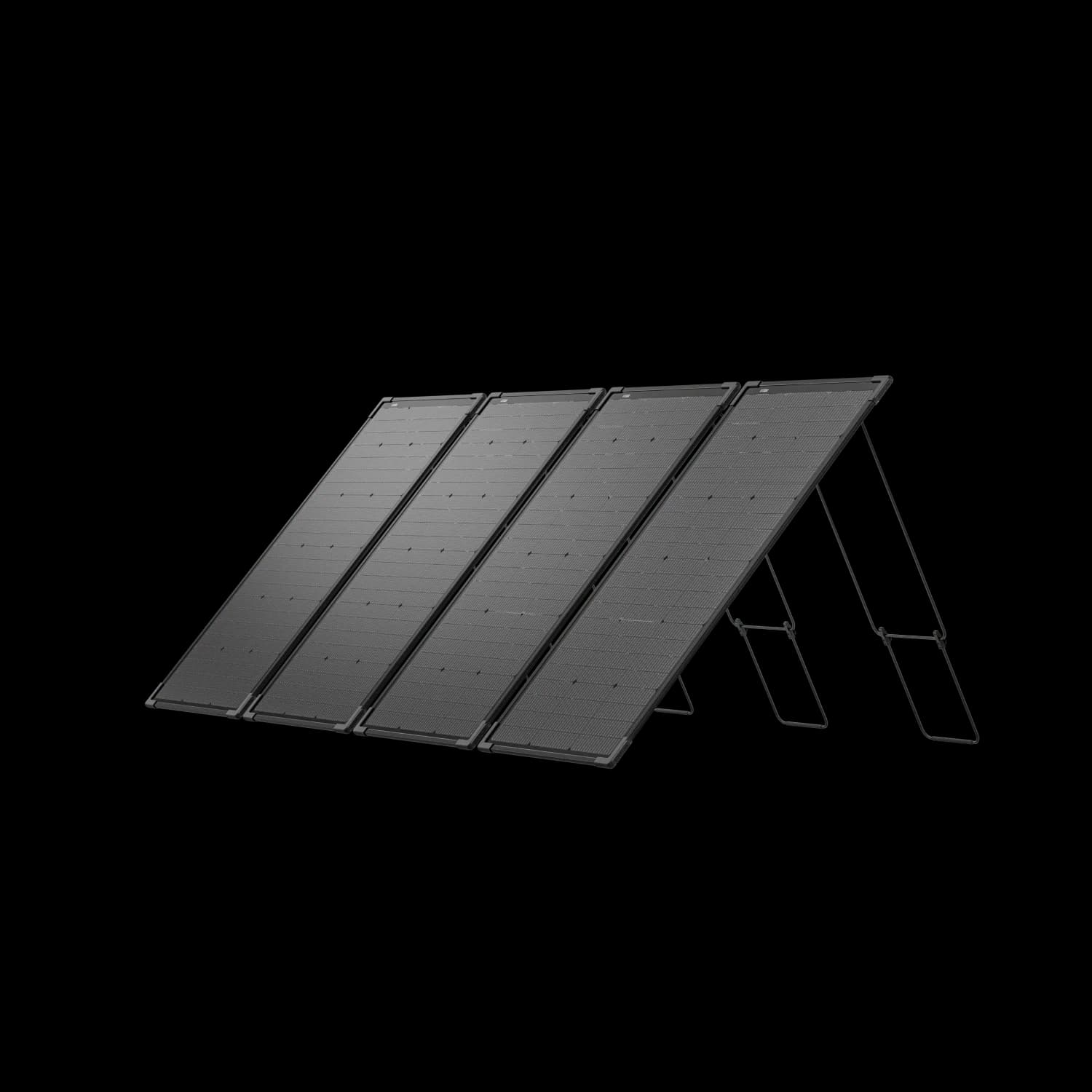
A standard residential plug-in solar panel weighs 30–50 pounds and produces 200–410 watts at peak output. “Peak” matters here: that rated wattage only happens under test conditions — direct sun, cool temperature, clean surface. Real-world output typically runs 80–90% of the nameplate.
Panels are built to last 25+ years, and the degradation is slow. Modern silicon cells lose about 0.5% efficiency annually, so a 410W panel today still delivers roughly 400W in 25 years. In a 400W starter kit, you might get one or two panels; an 800W standard kit typically includes two to four.
Microinverter
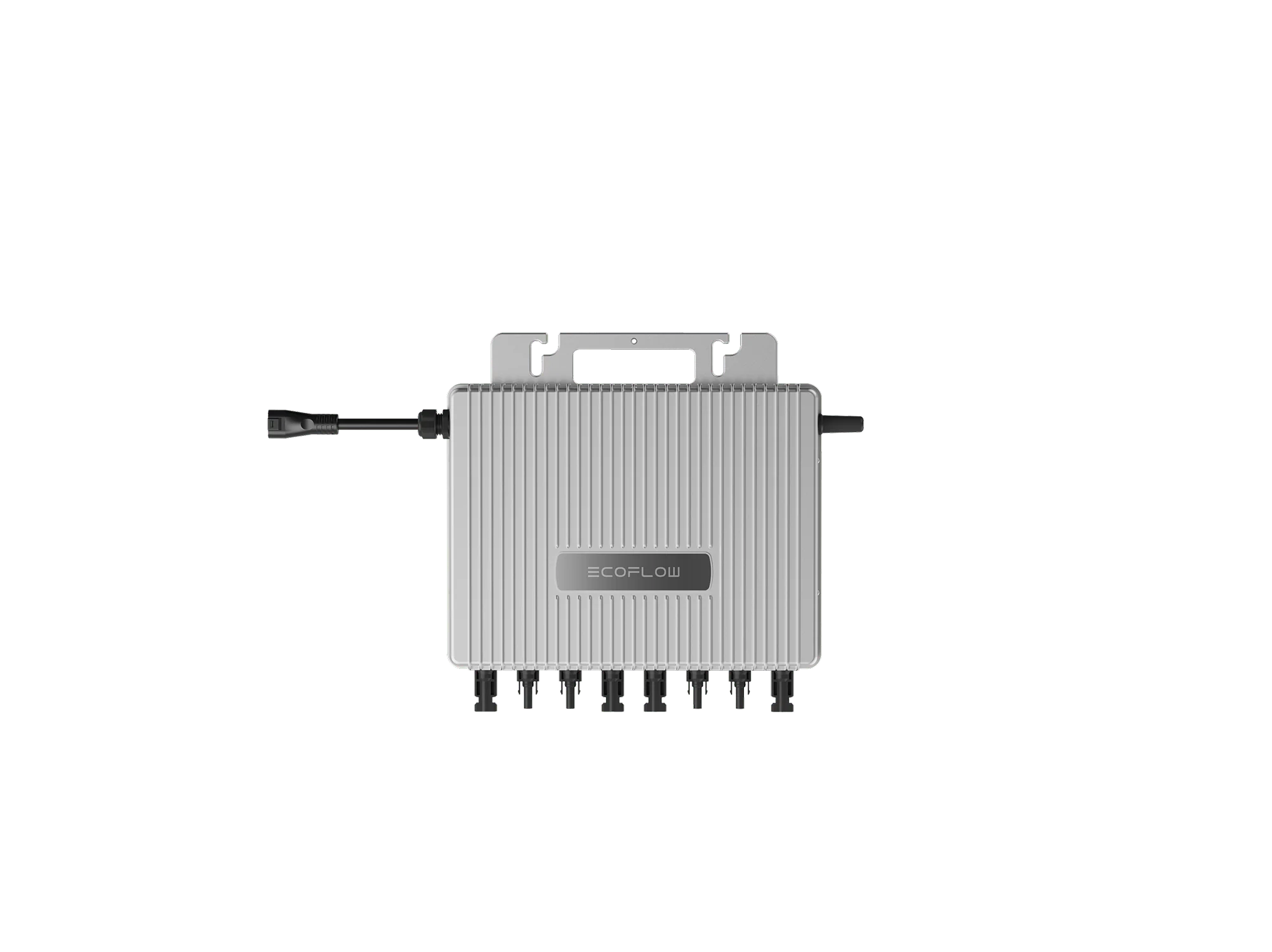
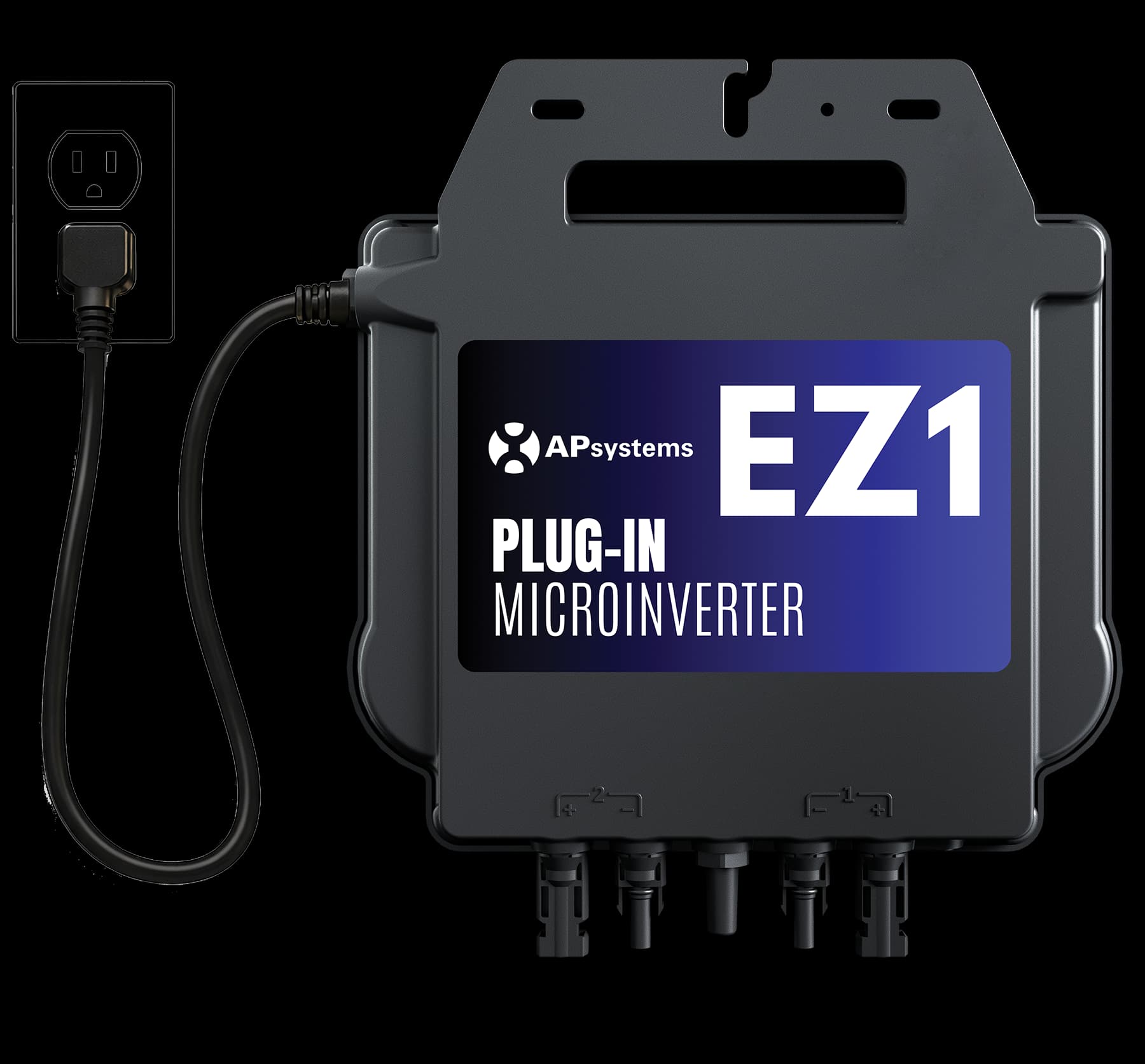
Your panels produce direct current (DC), the same type of power that batteries store. Your home runs on alternating current (AC), the power in your wall outlets. The microinverter converts DC to AC in real time so your solar electricity feeds straight into your home's wiring.
More importantly, it does this safely. Grid-tie microinverters include anti-islanding protection: if the grid goes down, the inverter detects the loss within two seconds and shuts off to protect utility workers and prevent backfeed that could damage your wiring. That's why you can't use a random power inverter from Amazon — standard inverters don't have this grid-monitoring circuitry, and they aren't certified for backfeed connection. For a full technical breakdown, see our microinverter guide.
Mounting Hardware
Cheap mounts bend in wind. Good mounts hold for decades. This is the component that varies most in quality across kit tiers, so it's worth knowing what you're getting.
Most kits include aluminum brackets with adjustable angle settings from 30 to 75 degrees. Angle matters: panels facing south at 40 degrees collect significantly more sunlight than panels lying flat on a balcony floor. For balcony installations, hardware typically uses railing clamps that grip without drilling. Ground and deck mounts use stakes or weighted feet. Ask your kit's manufacturer what wind load the mounting is rated for before you buy. If you're deciding whether your location needs a railing, patio, or ground mount, read our plug-in solar installation guide.
For the full picture of how these pieces work together to generate and use solar power, see our guide to how plug-in solar works.
AC and DC Cables
Cables carry power from your panels to the inverter (DC cable) and from the inverter to your outlet (AC cable). Standard kits include a 50-foot AC cable, enough for most apartment configurations.
Cable gauge determines how much current flows safely. Standard plug-in solar kits use 10–12 gauge cable for 400–800W systems. The connector on the AC end is a NEMA 5-15P plug (your standard household outlet plug), so nothing special is required on the wall end. If your outlet is more than 50 feet from your panel location, you'll need an extension. Anything over 100 feet is worth an electrician's opinion on gauge sizing.
Monitoring System
The monitor tracks production in real time and sends the data to your phone. Watching it is genuinely addictive: there's something satisfying about seeing your electricity meter run backward and knowing where that power came from.
Monitoring quality separates budget kits from premium ones. Basic monitors show watts generated and a daily total. Better systems add temperature readings, cumulative savings, efficiency ratios against expected output, and push alerts if production drops unexpectedly. Zero-export-equipped systems also include a CT clamp sensor that tracks your home's consumption and throttles the microinverter to avoid backfeed. If your base kit's monitoring feels limited, upgrades typically run $100–300.
Worried about your apartment's wiring?
A certified 400W–800W kit draws only 3–7 amps — well under a standard 15-amp circuit limit. Read whether plug-in solar can overload apartment wiring before you buy.
Kit Tiers Explained: 400W, 800W, 1200W, and Beyond
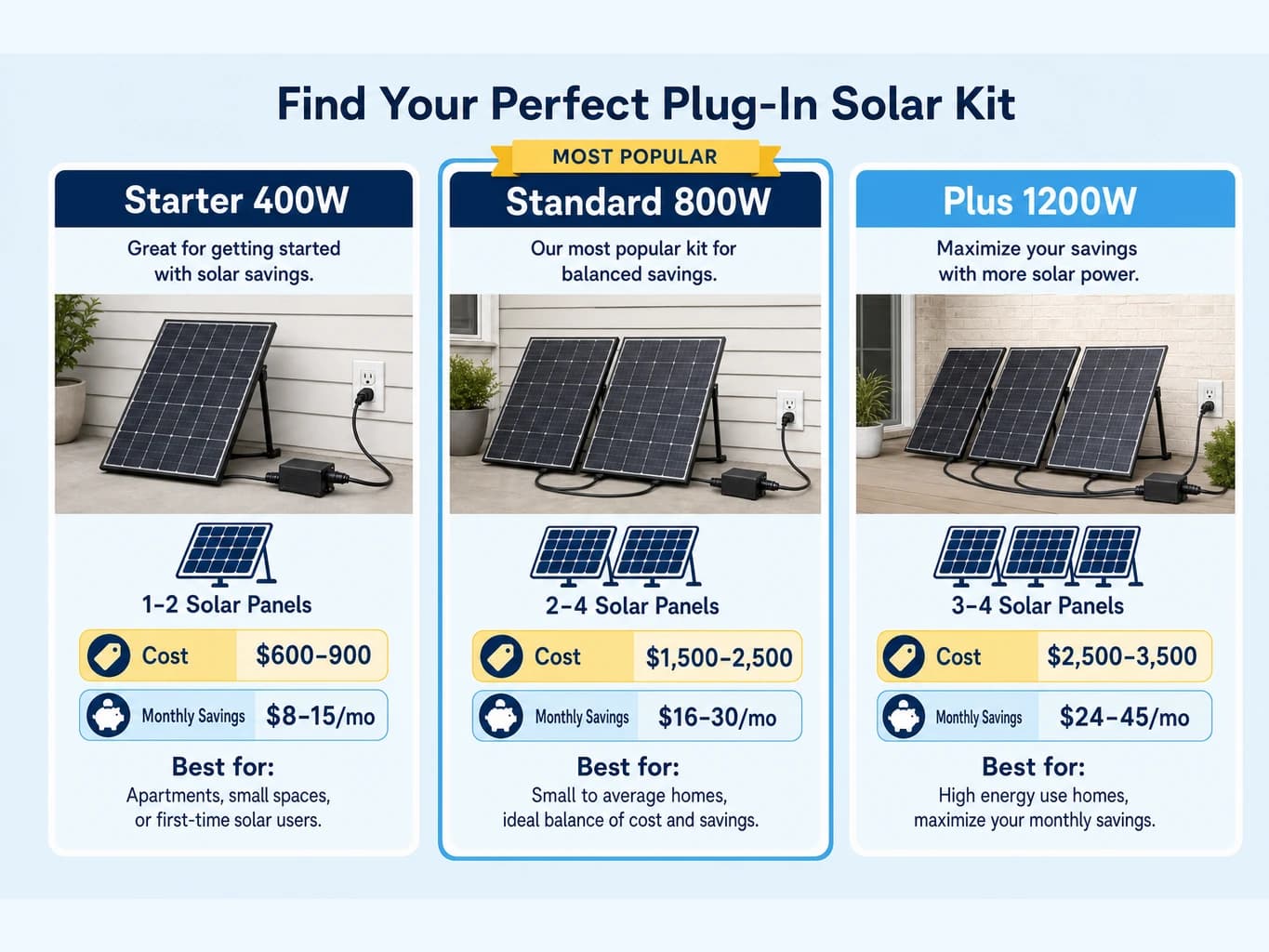
Every plug-in solar kit fits into one of four wattage tiers. Your tier determines your panel count, inverter configuration, cost, and monthly savings. The EIA reports the average US residential electricity rate at $0.17/kWh — use our savings calculator to see your exact number by zip code, electricity rate, and sun exposure.
400WStarter
1–2 × 200W panels, 1 × 400W inverter, basic mount, 50ft cable, simple monitor
Savings: $8–15/moCost: $600–900
Best for: Small apartments, testing the waters, shadier locations
800WStandard
2–4 × 200–410W panels, 1–2 × 400W inverters, adjustable ground mount, 50ft+ cable, Wi-Fi monitor
Savings: $16–30/moCost: $1,500–2,500
Best for: Most apartments and condos, typical savings goal
1200WPlus
3–4 × 300–410W panels, dual 400W inverters, heavy-duty mount with adjustable legs, advanced monitor with zero-export
Savings: $24–45/moCost: $2,500–3,500
Best for: Larger homes, high electricity use, good sun exposure
1600W+Max
4 × 410W panels, dual or triple inverters, premium mounting, full cable management, advanced monitoring
Savings: $32–60/moCost: $3,500+
Best for: Maximum offset, ample outdoor space, whole-house ambitions
How to Choose the Right Kit for Your Situation
Your situation determines your tier. Here's how to match your circumstances to the right system.
If you rent
Stick to Starter (400W) or Standard (800W) tiers. These are portable, which means you take them with you when you move. Larger systems need permanent mounting. Check your lease or ask your landlord before buying — our landlord permission guide covers exactly how to have that conversation.
If you have limited sun or live in a high-rate state
East-facing or partial-shade balconies work best with 400W Starter kits. You'll generate less, but you'll still save money. In California, Hawaii, Massachusetts, and Connecticut — where average electricity runs $0.25–$0.34/kWh (EIA 2024) — even a 400W Starter kit saves $12–20 monthly. Payback happens in 3–5 years instead of 6–8. Check your state's current rate and legislation status at our state-by-state guide.
If you own a home
You can go bigger. Plus (1200W) or Max (1600W+) systems make sense if you have good sun and want to offset most of your electricity use. Need UL 3700 certification? As of May 2026, no fully certified systems exist — but UL 1741 SB certified kits are equally safe and legal in all 50 states. Read our UL 3700 explainer to understand the difference.
Complete kit vs. building your own
You could source panels, inverter, cables, and mounting hardware separately. Most buyers don't — compatibility research takes 20+ hours for a first-time buyer, and fixing mistakes costs more than the kit premium. Pre-assembled kits ship tested and carry a system-level warranty. If you want panels on your balcony by the weekend, browse our kit recommendations in the $600–$3,500 range.
Popular Kit Brands and What They Include
Three brands dominate the US market. Warranty length ranges from 5 to 10 years. US customer support is uneven: Craftstrom and EcoFlow both have US phone lines; smaller brands often route support through 48-hour email. All three sell UL-certified kits.
We may earn a commission when you purchase through these links — it doesn't affect the price you pay. See our full disclosure →
Current kits to compare
Tier recommendations
Start with 400W when you have limited sun or a small balcony. Most apartments and condos fit an 800W setup. Choose 1200W or more only after confirming your outdoor space, circuit, utility rules, and mounting plan can support it.
Need help matching a railing, patio, or ground location to the right hardware? Read our plug-in solar installation guide.
More kit roundups are coming
We're building detailed roundups by use case. Until those guides are live, browse the current catalog to compare available plug-in solar products.
Browse current products →What's NOT Included (But You Might Need)
Your kit gives you the essentials. But renters and apartment dwellers sometimes need extras. Plan to spend $200–$500 on add-ons beyond your kit cost.
$30–$50Cable Extensions — Standard kits include 50 feet of cable. If your outlet is farther from your panel location, you need an extension. Cost: $0.50–$1 per foot.
$20–$40GFCI Outlet Box — Some apartments require a ground-fault circuit interrupter (GFCI) outlet for safety. Your landlord or building code might mandate this. Your microinverter already has protection, but it’s an inexpensive add-on if required.
$15–$25Weatherproof Outlet Cover — Outdoor outlets need weather protection. A simple plastic box keeps rain and debris out.
$25–$75Surge Protection — Lightning strikes are rare but devastating. A surge protector between your system and the grid could save you $2,000+ in equipment damage.
$2,000–$3,500Battery Storage — If you want to store energy for nighttime use or backup power, you need a battery system. See when a battery is actually worth it before adding one to your budget.
$100–$300Monitoring Upgrade — If your base kit lacks good monitoring, you can often upgrade for $100–300.
$30–$100Railing Adapter Hardware — If you’re mounting on a specific balcony railing type (metal, cable, or glass), you might need special adapters.
Frequently Asked Questions
Common questions about plug-in solar kit contents.
Ready to buy? See what you'd save first.
Enter your zip code and monthly electricity bill. Our calculator uses real solar data for your location to estimate your monthly savings and payback timeline.
Last updated: August 1, 2026. Information on this page is reviewed quarterly for accuracy, including current product availability and pricing.