
Plug-in solar in Michigan
Michigan HB 5764, introduced March 19, 2026 by Rep. Will Snyder, would allow plug-in photovoltaic systems up to 1,200 watts without interconnection agreements or utility pre-approval; the bill was referred to the House Energy Committee.
What HB 5764 would allow
System size
Up to 1,200W AC
UL-listed or certified by an equivalent nationally recognized testing laboratory certification required. Systems must connect via a standard 120-volt AC outlet, include a feature preventing the device from energizing the building's electrical system during a power outage, comply with the most recent National Electric Code, and the customer must notify the utility within 30 days of installation on a commission-prescribed form.
No utility approval
Interconnection waived
No application to your utility required. Self-installation with listed equipment is sufficient.
Renters
Yes — landlord cannot prohibit
Customers may install on a meter or panel they do not own provided the installation does not compromise the structure's integrity and is restored upon removal.
Get notified when this bill passes
We track Michigan's plug-in solar bill. We'll alert you the moment it clears the legislature.
Recent updates
Apr
14
2026
Michigan HB 5764 was electronically reproduced and formally printed, completing the initial publication process after its March introduction.
Mar
19
2026
Michigan HB 5764 was referred to the House Committee on Energy after receiving its first reading.
Mar
19
2026
Rep. Will Snyder introduced HB 5764 to allow plug-in photovoltaic systems up to 1,200 watts without interconnection agreements or utility pre-approval.
What you could save once plug-in solar is legal in Michigan
Estimate assumes current electricity rates once legislation passes.
Monthly savings
$15
Annual savings
$174
Payback period
~7 yrs
Based on 18.64¢/kWh avg rate · 800W system · 3.9 peak sun hours/day
Products to Consider in Michigan
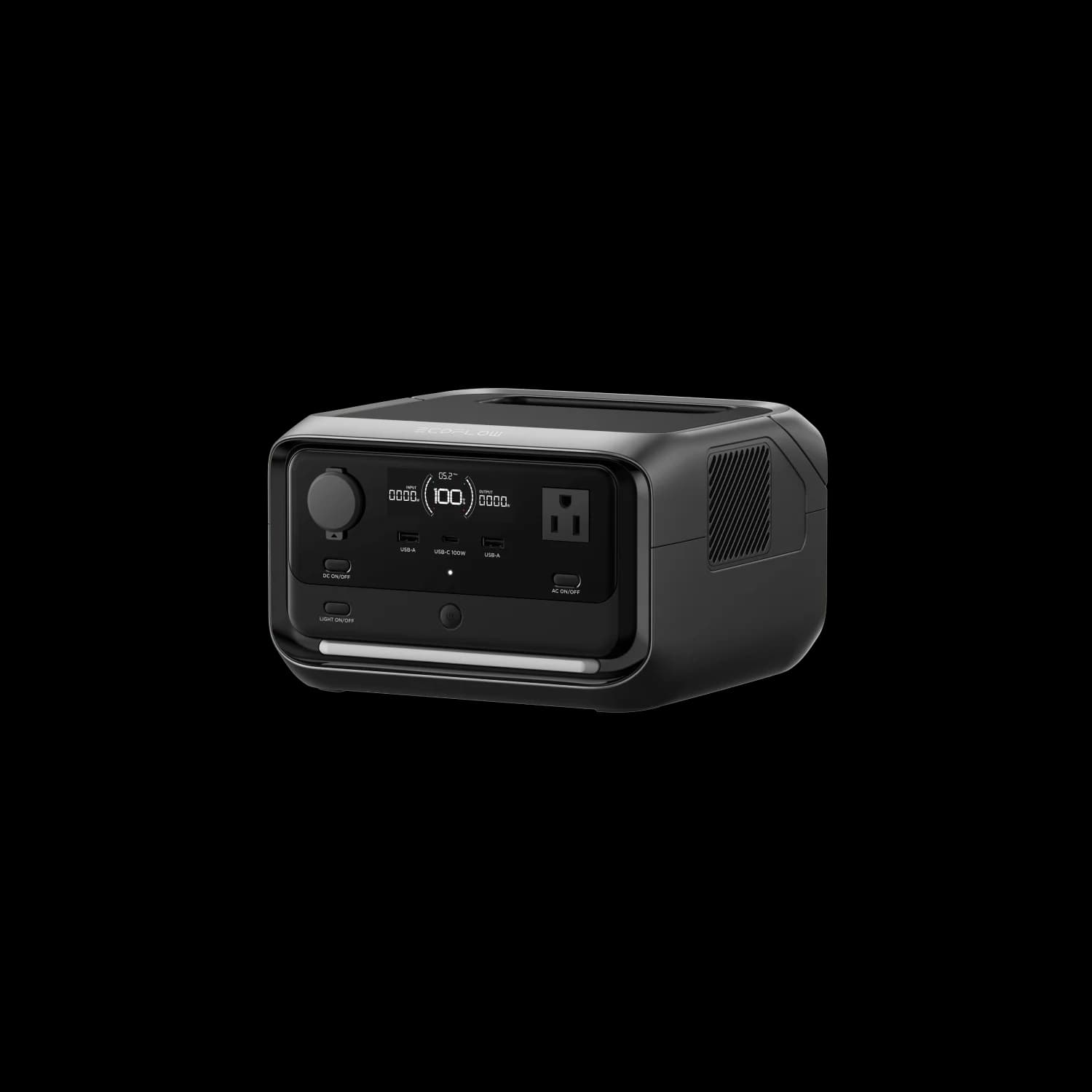
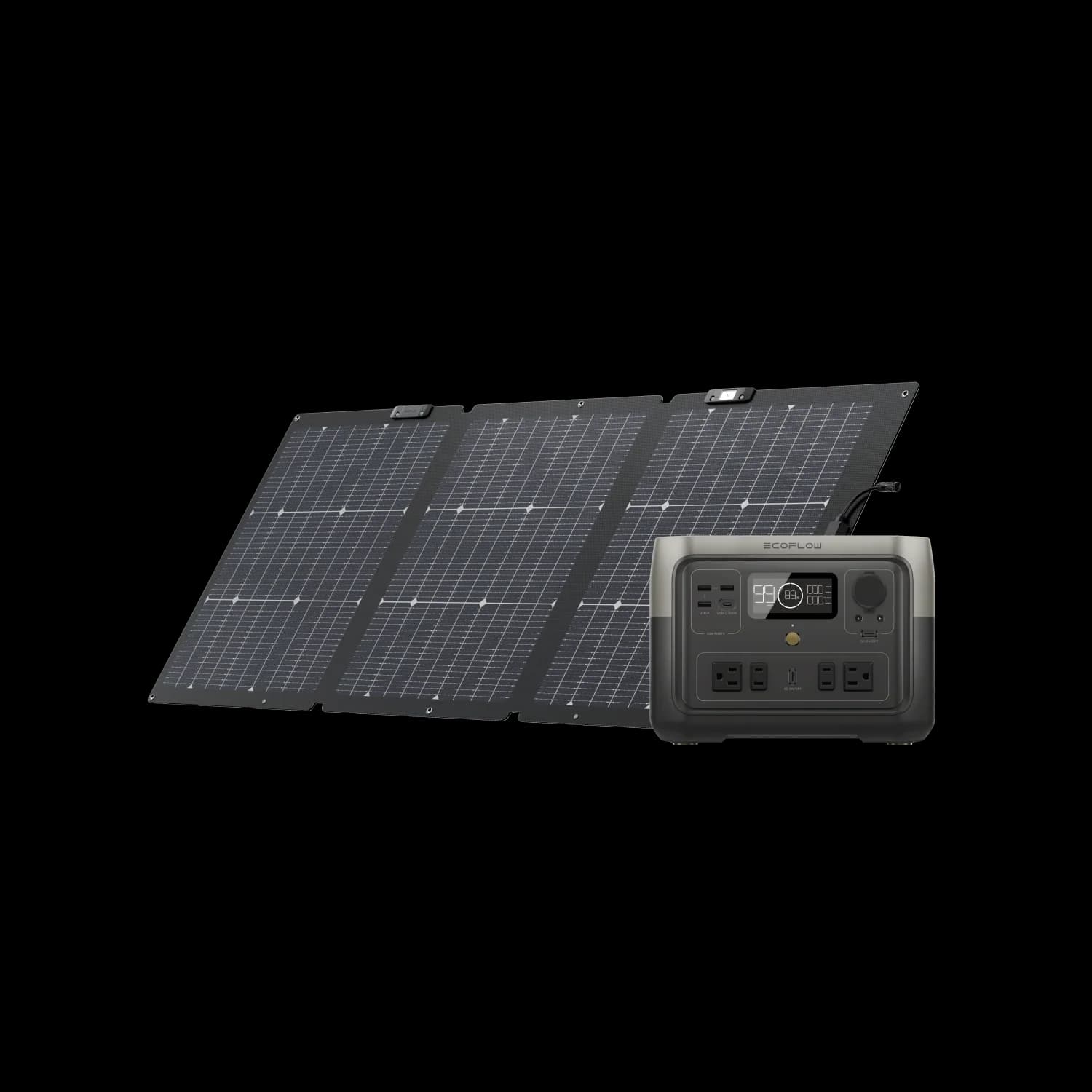
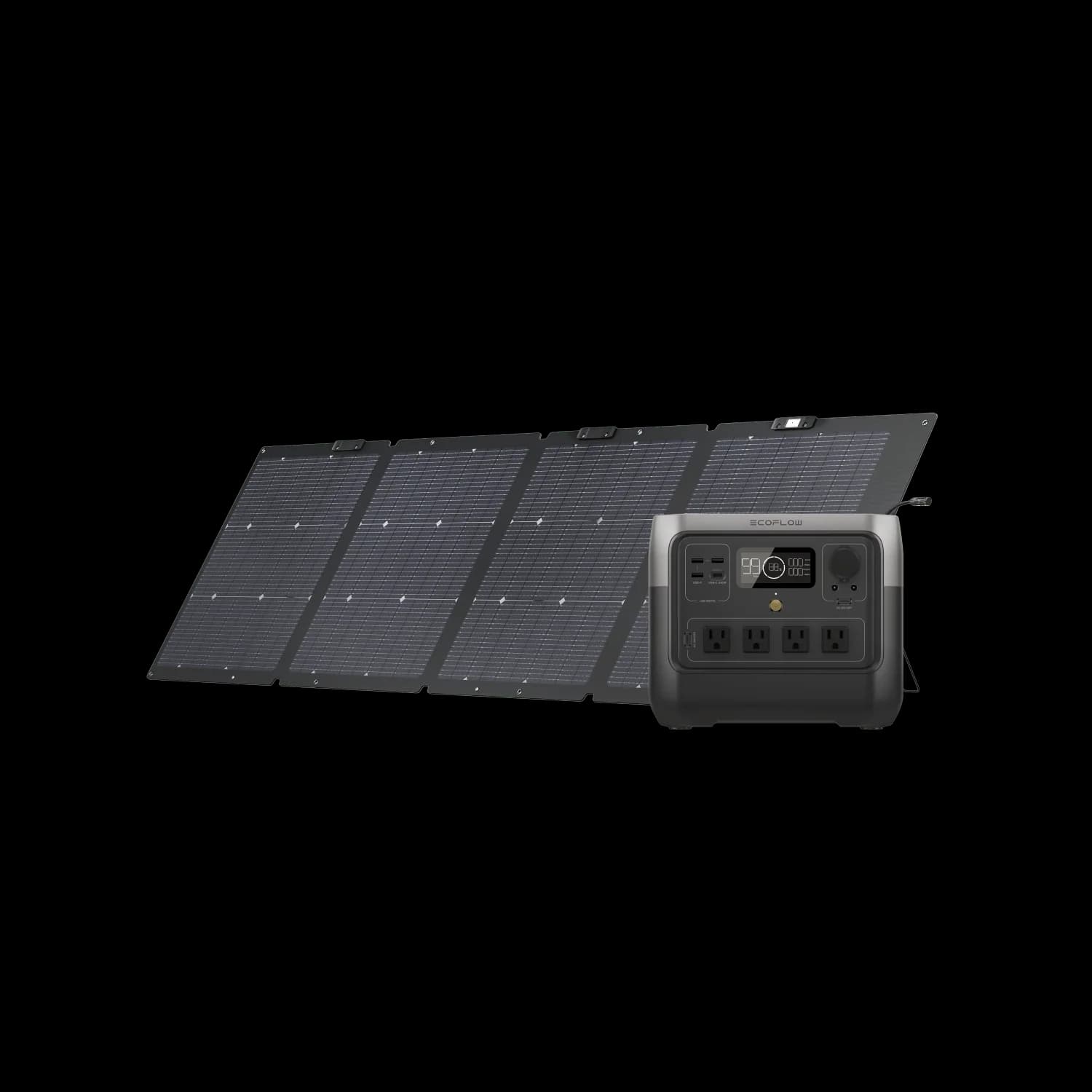
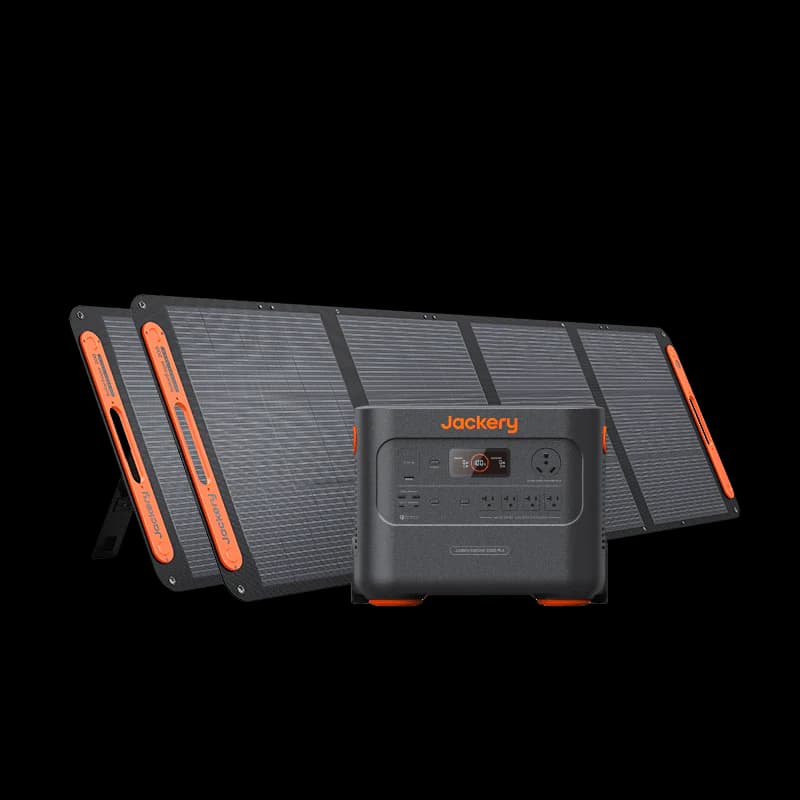
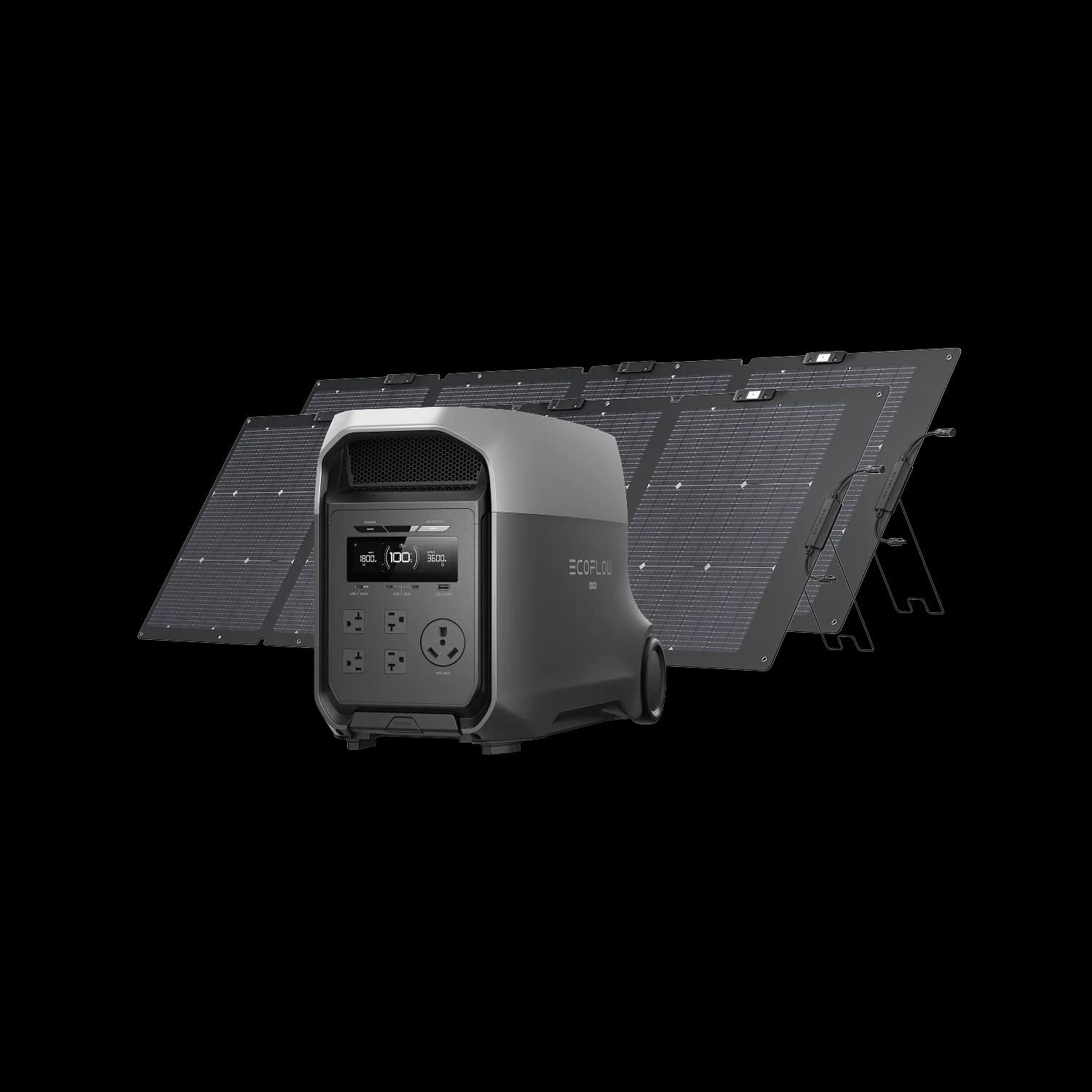
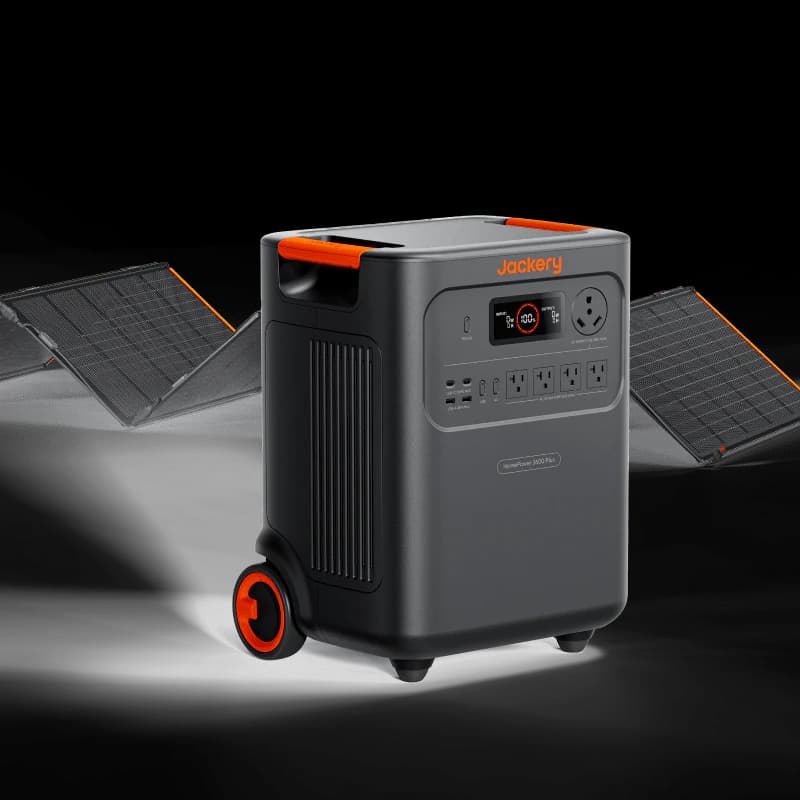
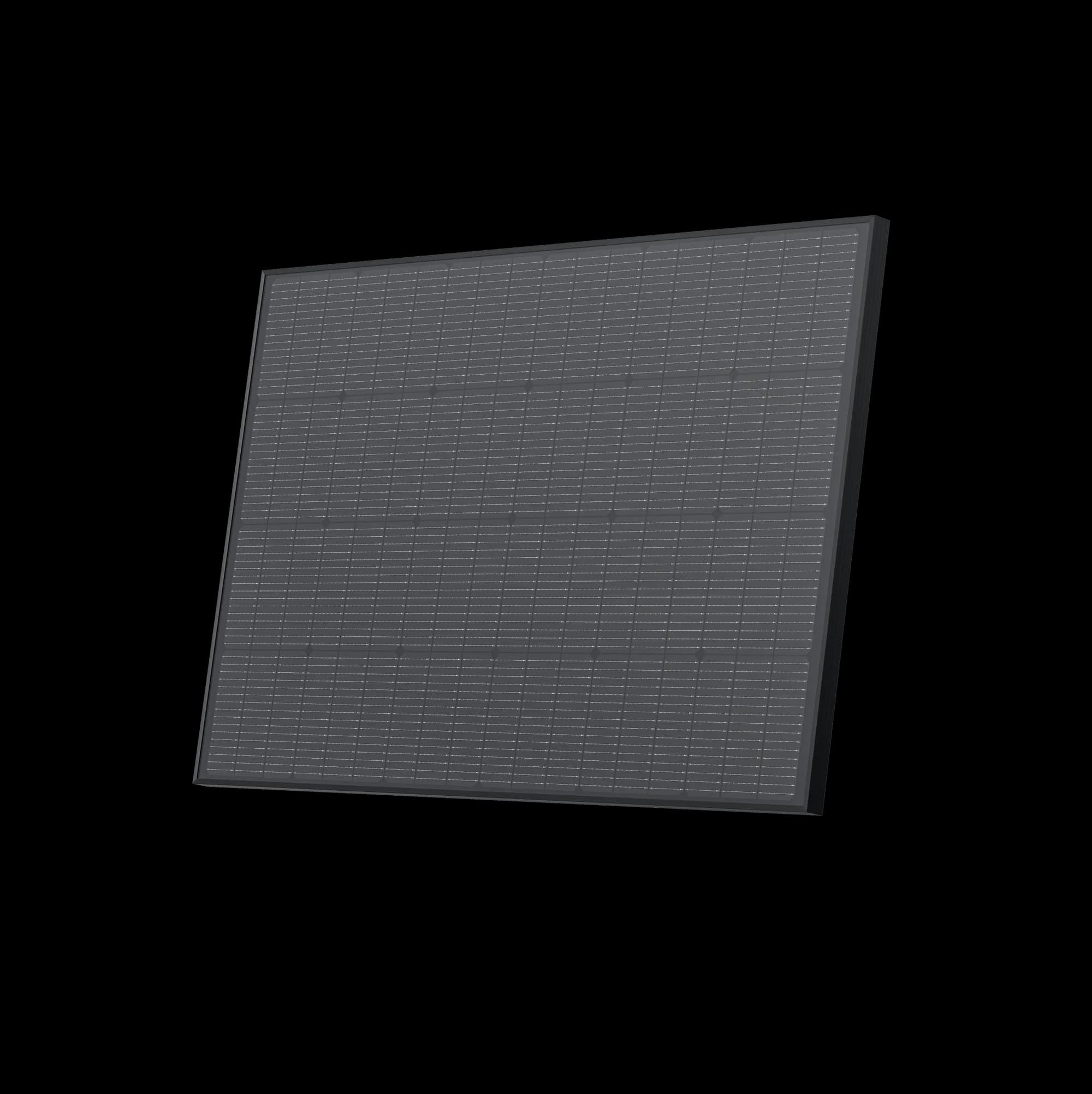
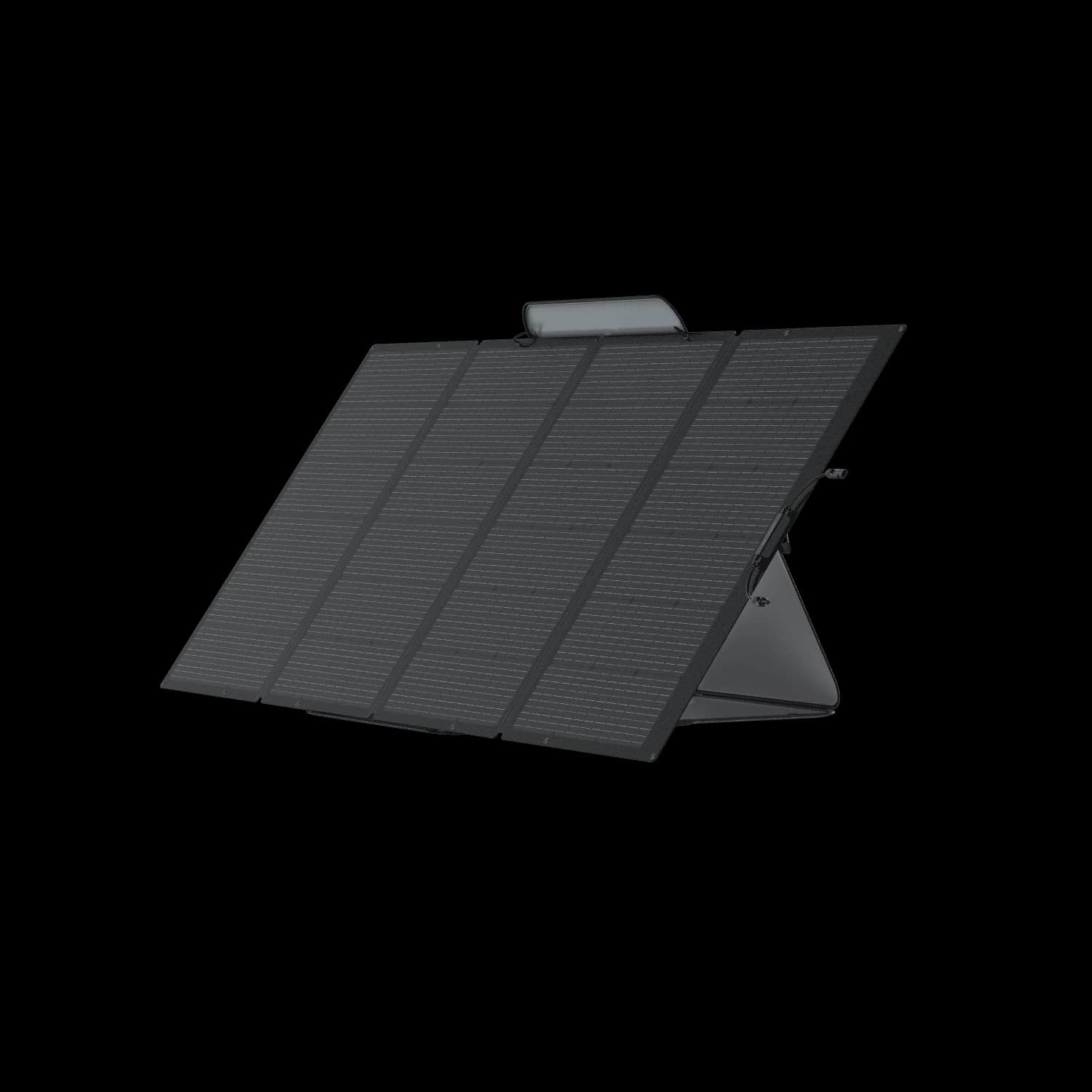
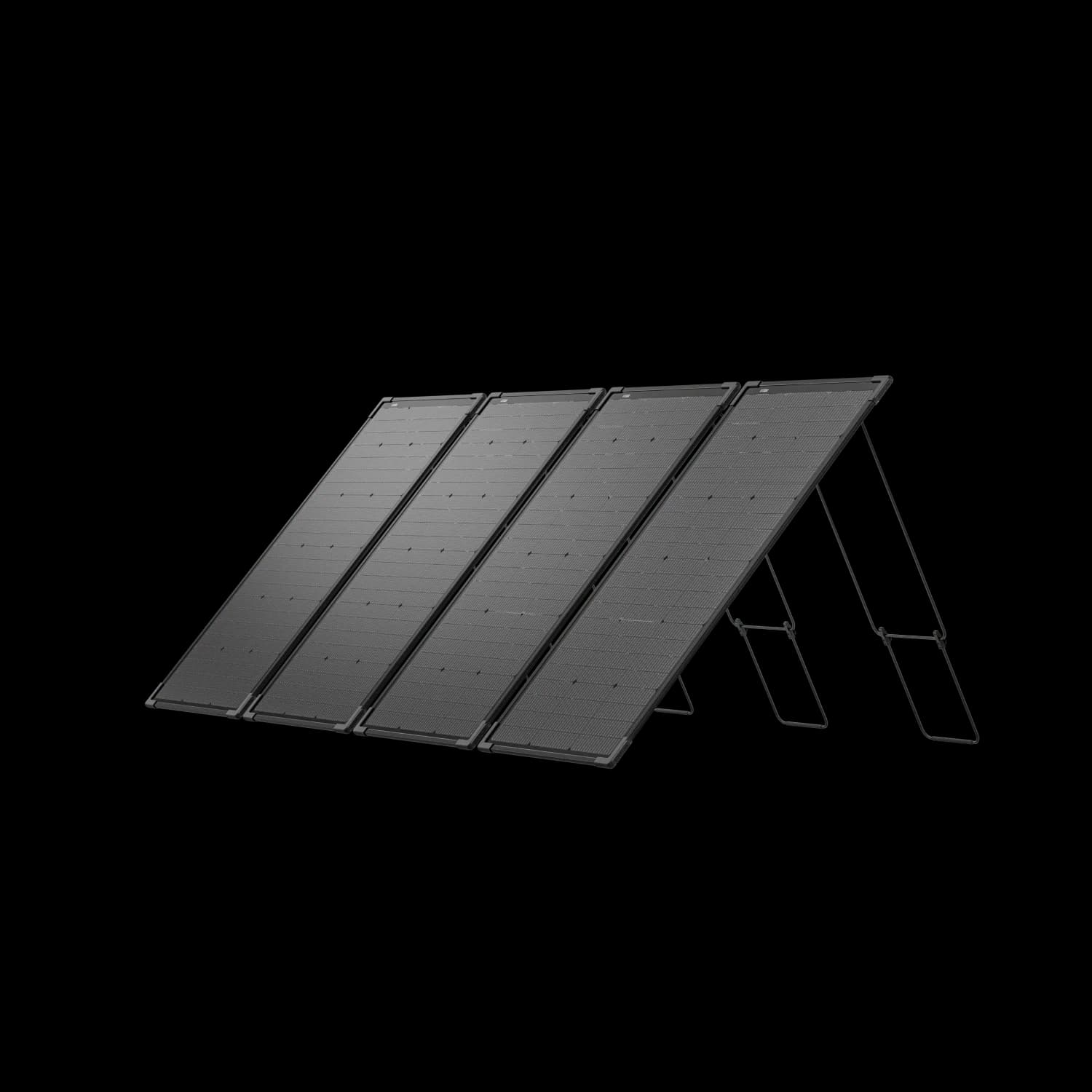
Since plug-in solar isn't yet regulated in Michigan, portable power stations are often the practical starting point. These systems do not connect to your home's wall outlets — instead, you plug your devices directly into the power station.
We may earn a commission when you purchase through these links — it doesn't affect the price you pay. See our full disclosure →